Zadar is one of those Adriatic cities we keep coming back to — because it delivers that rare mix of history, sea air, and easy-going energy without ever feeling like a stage set.
Table of Contents
It’s ancient in the best way (Roman stones under your feet, Venetian edges in the architecture), but it’s also unmistakably alive: the waterfront hums, the light changes by the minute, and the Sea Organ turns waves into music while everyone gathers for sunset like a daily ritual.
And Zadar isn’t only a city break. It’s an island gateway. From here, the Adriatic opens up fast — ferries, boat trips, and day escapes to Ugljan, Dugi Otok, and the Kornati islands feel genuinely doable, not like a logistical marathon.
We’ve written this guide because we’ve experienced Zadar again and again — quick stopovers, slow weekends, shoulder-season calm, and full-summer heat — and we’ve learned what actually matters when you’re planning.
Not just the headline sights, but the small decisions that shape your entire trip: where to stay if you want to walk everywhere, where if you want easy parking, what to do first so you don’t lose the best hours of the day, and how to time the waterfront icons so they feel magical instead of crowded.
Everything here comes from repeated visits and real on-the-ground logic: what’s worth prioritising, what’s easy to combine, and what’s better saved for another day — so your time in Zadar feels smooth, not scattered.
If you’re choosing between Croatia’s big-name cities, this is where Zadar surprises people.
It’s usually less polished than Dubrovnik and less intense than Split — more relaxed, more local-feeling, and often kinder to your nerves. You still get the deep history and that cinematic Adriatic atmosphere… just with more breathing space.
This guide is for first-timers who want a confident plan, couples who want slow sunset evenings, families who need simple logistics, and photographers who want stone textures, sea reflections, and golden-hour light that feels made for the Adriatic.
Our promise is simple: follow this guide, and you’ll spend less time figuring things out — and more time actually living Zadar. The walks. The swims. The islands. The meals. And that moment when the sky turns soft gold over the waterfront, and you finally get why people never shut up about this coastline.

Zadar at a Glance
Quick, practical planning notes — the kind that save you time, crowds, and that “why did we do this at noon?” feeling.
Peak season (Jul–Aug): hottest + busiest — amazing sea days, but book stays/tours early and plan around the heat.
2 days: add a swim day or a nearby beach zone.
3 days: best balance — city + one island/boat day.
4–5 days: Zadar as a base — islands + a national park day trip.
Greeting to the Sun: best after sunset as the lights come alive.
Old Town sunset: walk the peninsula edge and choose a spot early if it’s summer.
Come back for late afternoon golden light, and save the waterfront icons for dusk → after dark.
If it’s midsummer, skip long sun-exposed walks at 12:00–15:00.
Where Is Zadar & What It’s Like
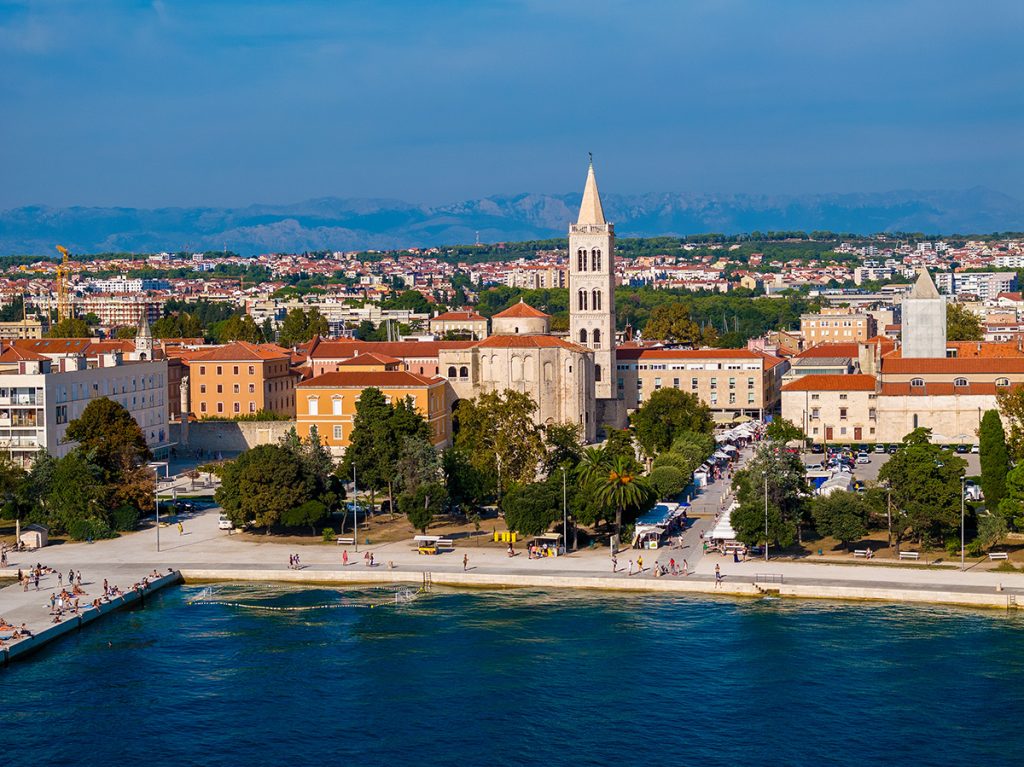
Zadar sits on Croatia’s central Adriatic coast, and the city’s geography is the reason it works so well for travellers. The historic core is the Old Town peninsula — a compact, walkable “island” of stone lanes and sea views, connected to the mainland by a couple of short bridges. Everything you came for is packed into this little shape: the main sights, the cafés, the waterfront, the sunset scene, the evening strolls that somehow turn into hours.
Just across the bridge is the mainland side — more residential, more spread out, and often more practical if you’re arriving with a car. This is where you’ll find bigger supermarkets, easier parking options, and neighbourhoods that feel more “real life” than postcard. The trade-off is simple: stay on the mainland, and you’ll likely sleep more quietly and park more easily, but you’ll walk a little more (or plan short rides) to dip in and out of the Old Town atmosphere.


That peninsula layout matters more than people expect. If you stay on the peninsula, you can do Zadar the way it’s meant to be done: on foot, spontaneously, without checking maps every ten minutes. You’ll wake up and be in it — morning coffee a few steps away, a quick loop past the Roman Forum before the day warms up, a casual swim break, and then the waterfront at dusk. If you stay further out, the city still works, but it becomes more about timing — when you go in, where you park, and how late you want to walk back after dinner.
Vibe-wise, Zadar is a layered city that doesn’t try too hard. You’ll feel the Roman foundations in the layout and ruins, see the Venetian edges in the stonework and old defences, and then suddenly you’re on the waterfront where modern Zadar steals the show. The Sea Organ and Greeting to the Sun aren’t “attractions” you tick off — they’re part of the city’s daily rhythm, where locals and travellers merge into the same sunset crowd, listening, watching, lingering.
And then there’s the big reason we keep recommending Zadar as a base: it gives you access to the best of northern Dalmatia without the chaos. Islands are right there, ferries are simple, and day trips to wild nature feel genuinely realistic — not exhausting. You can do ancient streets and golden-hour glow one day, then wake up and trade it for sea coves, cliffs, waterfalls, or mountain trails the next — all while coming back to a city that still feels calm enough to actually enjoy.

How to Get to Zadar
Zadar is refreshingly easy to reach for a city that feels this coastal and cinematic. It has its own airport, one of Croatia’s most useful bus hubs, and simple highway access — which is exactly why we love it as a base for island days and national park escapes. Below are the smoothest options to plan your arrival.
How to get around Zadar
Zadar is wonderfully simple once you understand its shape: the Old Town peninsula is made for wandering, while the mainland side is where you’ll find the practical stuff (buses, bigger shops, and easier parking). Here’s how to move around smoothly — without overplanning.
Best Things to Do in Zadar
Zadar is best when you keep it simple: stone streets + sea air + sunset. Start with this top list, then build your days around what feels most “you” (history, islands, swimming, food, or slow evening atmosphere).
Old Town Essentials
Zadar’s Old Town is one of those places that rewards you for slowing down. We’ve walked these streets so many times, and the pattern that always works is simple: start earlier than you think, keep the midday hours gentle, and then come back out when the stone starts glowing again. The peninsula is compact, so you can cover the essentials without rushing — and still have time for coffee stops, little detours, and that “let’s just keep walking” feeling.


Roman Forum + St Donatus + Cathedral area (easy loop)
This is the loop we always suggest doing first, especially if it’s your first time in Zadar. The Roman Forum sits right in the open, so you don’t need to “plan” it — you simply arrive and the city’s ancient layers are immediately under your feet. We love pairing it with St Donatus and the cathedral area because everything is close together, and it gives you that instant sense of how Zadar is built on centuries of history. If you can, go in the morning: the light is softer, the air is cooler, and the whole area feels more atmospheric before the day gets busy. We usually do one slow circuit, take a few photos, then let the rest of the day unfold from there — it’s the perfect way to orient yourself without overthinking anything.
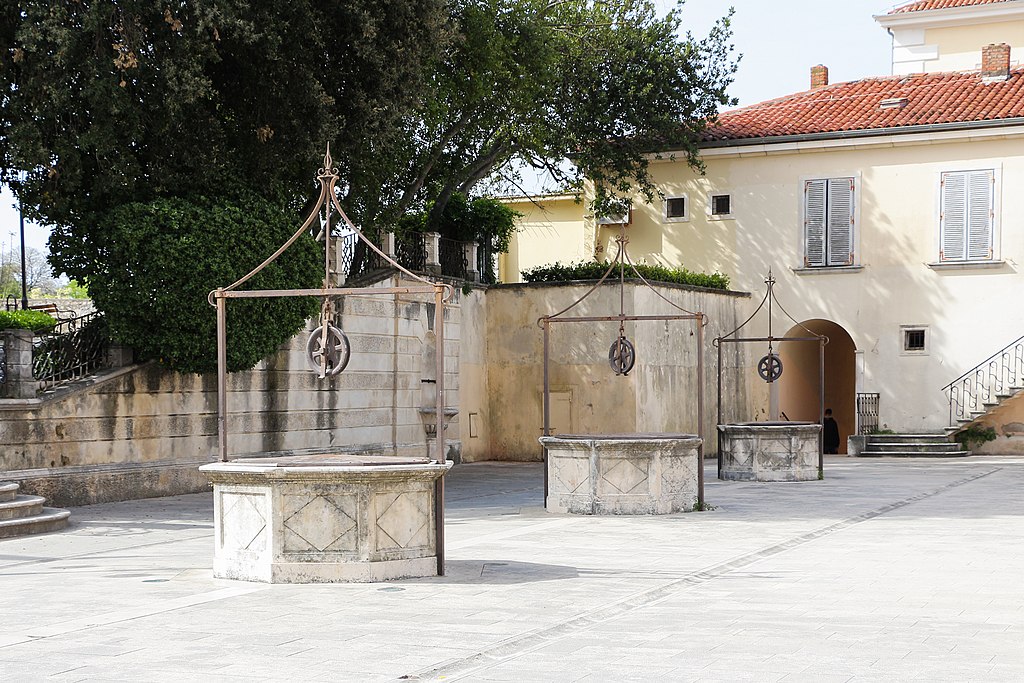
Five Wells Square + city walls/viewpoints
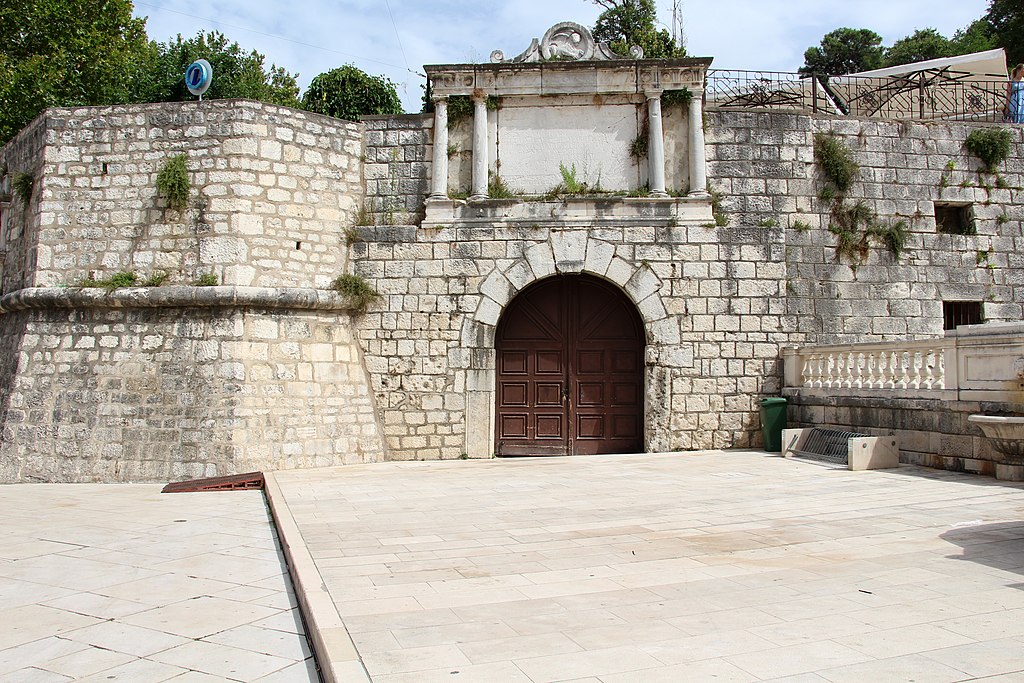
Five Wells Square is one of our favourite “reset” stops in the Old Town — calmer, more open, and connected to Zadar’s fortress history. We like to use it as a gentle loop when we want views without committing to anything complicated. From here, it’s easy to drift toward viewpoints and wall sections that show you the best contrast in Zadar: old stone defences meeting the sea. If it’s hot, we’ll do this as a shorter walk and then retreat for shade and lunch. If it’s late afternoon, it becomes even better — the light softens, and everything looks warmer, especially as you start drifting back toward the waterfront afterwards.

People’s Square + Kalelarga stroll
This is where Zadar feels most alive, and we almost always end up here every day without even planning it. People’s Square (Narodni trg) is our go-to place to sit for a coffee and just watch the city move — it’s social, easy, and has that relaxed Zadar rhythm. Then Kalelarga becomes the natural stroll: it’s the main street, but the real magic is letting yourself slip into side lanes, tiny corners, and little “wait, what’s down here?” moments. We recommend doing this in the late afternoon into early evening, when the Old Town starts to glow, and the atmosphere ramps up. It’s the simplest walk in Zadar — and somehow the one that always ends up being a highlight.
Waterfront Icons
If Zadar has a signature mood, it lives on the waterfront. We always tell people to treat this area as an experience you return to more than once — it feels completely different in daylight, at golden hour, and after dark. Our favourite rhythm is simple: come once in the late afternoon to scope it out, then come back again at dusk and stay longer than you planned.


Sea Organ (how to experience it best)
The Sea Organ is one of those rare attractions that actually lives up to the hype — but timing changes everything. We love it most right before sunset and into blue hour, when the steps fill up with people, the air cools down, and the sound becomes more hypnotic. In the daytime, it’s fun and curious; in the evening, it turns almost cinematic. Our tip is to do it twice: stop by briefly earlier so you understand the layout, then return later and let yourself sit for a while without rushing. If the sea is a little rougher, the “music” becomes stronger and more dramatic — and if it’s very calm, it’s softer and more subtle. Either way, it’s pure Zadar.

Greeting to the Sun (timing + photo tips)
A lot of people arrive too early, take one quick photo, and leave — and we always think that’s a shame. The best moment here is after the sun has already set, when the circle starts glowing properly, and the waterfront feels alive. We like to time it so we’re near the Sea Organ for the actual sunset, then drift over once the sky darkens, and the lights become vivid. For photos, we suggest two simple tricks: first, wait for full darkness if you want the colours to pop; second, step slightly back and shoot wider so you capture the glow with the people around it — the movement and silhouettes are part of what makes it feel real. If you’re shooting on a phone, tapping to lower exposure a little often helps the lights look richer.
Museums & Indoor Options
When the sun is blazing or the weather turns moody, Zadar still has plenty to keep your day feeling special. We like these indoor stops because they’re genuinely interesting and easy to fit between Old Town wandering and a long waterfront evening — no “museum marathon” required.

Museum of Ancient Glass
This is one of our favourite surprise stops in Zadar — even for people who swear they’re not museum people. It’s focused, beautifully presented, and it adds texture to everything you’ve been seeing outside. We love it for a midday break: you step in for an hour, cool down, and come out feeling like you’ve learned something real about the region’s past without losing half your day.
Archaeological Museum
If you’re the kind of traveller who likes context — who wants the “why” behind the stones — this is the one. We recommend it especially if you’re loving the Roman Forum and want to understand what you’re looking at, or if you’re travelling with anyone who’s into history and will appreciate the deeper layer. It’s also a great choice if you want a more substantial indoor plan when the weather isn’t cooperating.


Rainy day mini itinerary
On a rainy (or windy) day, we keep it simple and still make it feel like Zadar: start with a slow coffee in the Old Town, do the Museum of Ancient Glass first, then wander the Roman Forum/St Donatus area between showers. After that, go into the Archaeological Museum for the deeper context. When the rain eases, we always end the day the same way: a waterfront walk — because even in moody weather, Zadar’s seafront atmosphere is part of the experience.
Best Beaches Near Zadar
Zadar is one of our favourite coastal bases because you don’t have to choose between “city break” and “beach trip” — you can do both in the same day. We’ve swum around Zadar in all kinds of conditions (glassy calm, windy afternoons, peak-summer crowds), and the biggest difference isn’t just which beach you choose — it’s when you go and how you plan around shade, wind, and parking.
To keep this simple (and genuinely useful), we always think of Zadar beaches in three buckets: easy beaches close to town, half-day beaches worth a short drive, and island beaches when you want the best water.

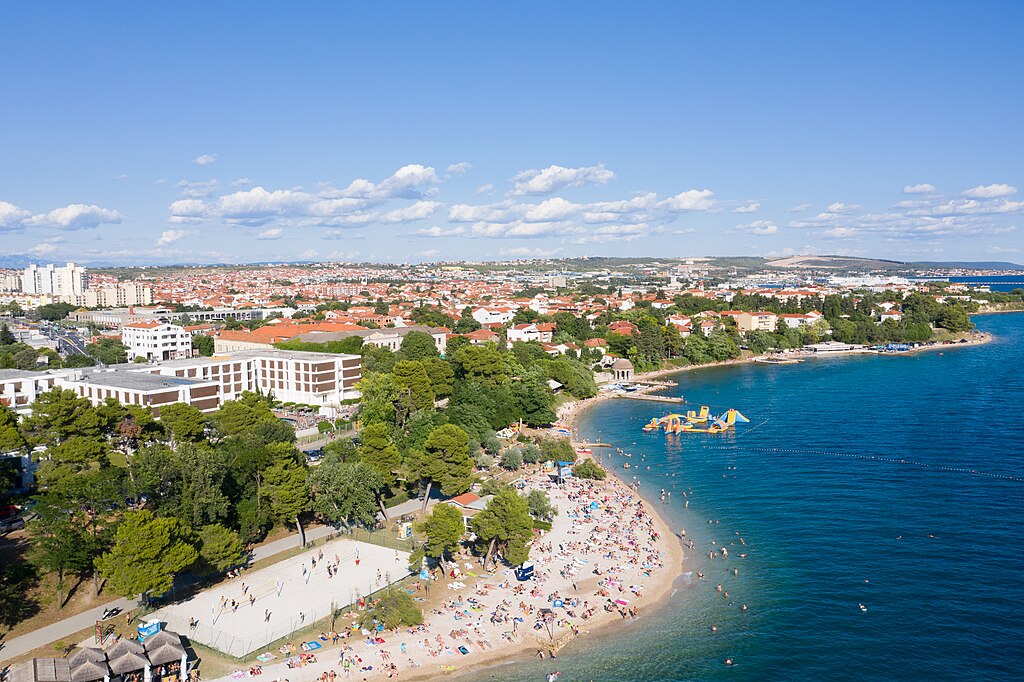
Easy Beaches Close to Town
These are the beaches we recommend when you want a swim without turning it into a “mission.” They’re perfect for a quick dip between Old Town wandering and sunset — and they’re also the best option if you’re travelling with kids or you just want convenience.
Kolovare Beach (classic city beach)
This is the most straightforward “city swim” near the Old Town. We recommend it when you want easy access, a lively vibe, and the feeling of Zadar locals actually using the sea as part of daily life. The water is typically clear, but because it’s a city beach, it can feel busier in summer. Shade can be limited at peak hours, so we usually go earlier or bring something simple for sun protection. If you’re arriving by car, parking can be competitive — we treat it as one of those places where arriving earlier saves a lot of hassle.
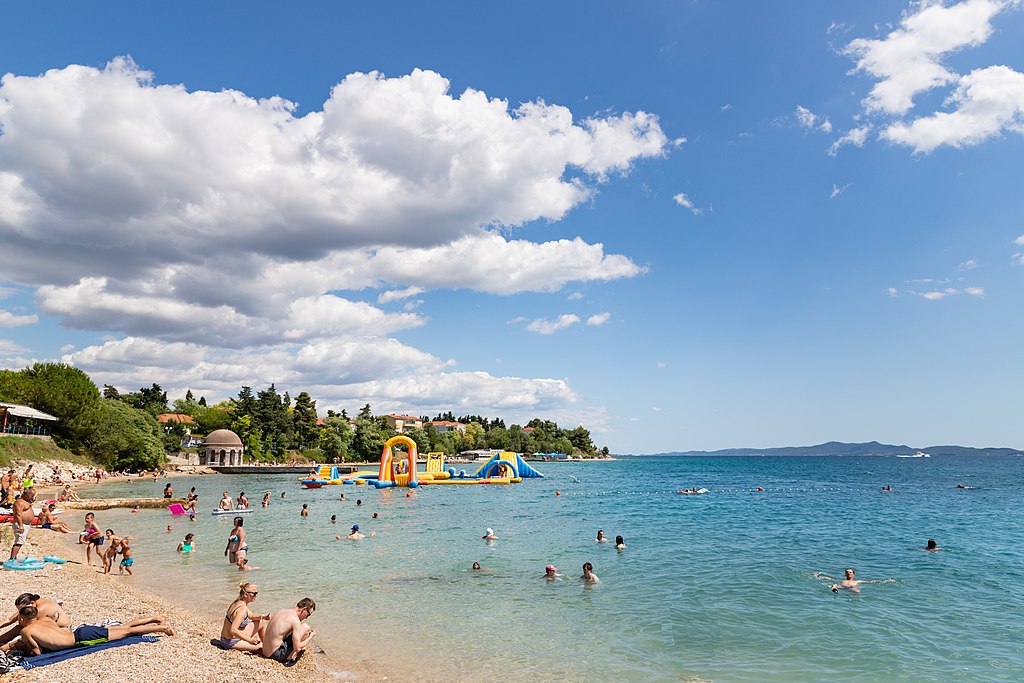
Karma Beach (smaller, calmer feel)
When we want something a bit more relaxed than the main city beach, this is the kind of spot we look for — smaller scale, a little quieter, and still close enough to keep the day effortless. It’s a good choice if you’re doing a “two swims in one day” rhythm: a quick midday dip here, then sunset on the waterfront later. Like most Zadar swim spots, it’s a mix of pebbly/rocky edges, so water shoes are a comfort upgrade.
Borik / Diklo area (resort-ish, family-friendly zone)
If you’re staying outside the peninsula (or you want a beach day with more space and facilities nearby), the Borik/Diklo stretch can be a very easy choice. We recommend it for families and anyone who likes having cafés, shade breaks, and a more “beach day infrastructure” feeling. Parking tends to be easier than right next to the Old Town — but in peak season, it still pays to go earlier.
Best Beaches for a Half-Day Trip
These are the beaches we recommend when you want better swimming and a more “Croatian coast” feel — but you still want to be back in Zadar for dinner and sunset. In peak season, assume paid parking is common, and plan for a short walk from wherever you leave the car.

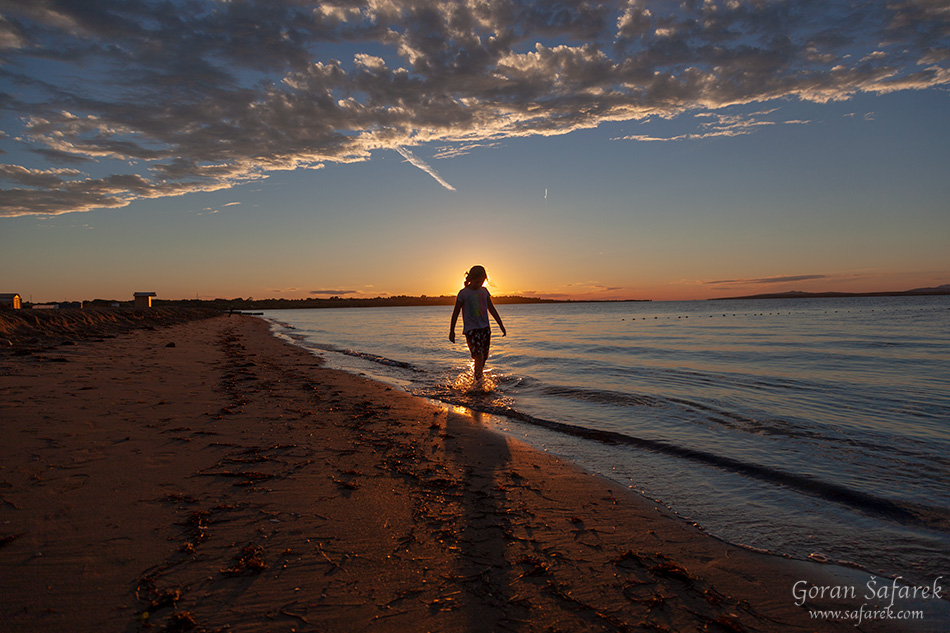
Petrcane (easy coastal escape)
Petrcane is one of the easiest half-day trips from Zadar because it feels like you’ve left the city behind without driving far. We like it for a slower, calmer swim day and that relaxed seaside village energy. It’s also a good option if you want a beach day that still includes a nice lunch somewhere close by, without a big detour.
Nin area (space, shallow water, different vibe)
If you want something that feels different from Zadar’s typical rocky swim spots, the Nin area can be a great change of pace — often shallower water and a more open, spacious feel. We recommend it especially for families or anyone who wants to wade, float, and linger without scrambling over rocks. Parking management varies by spot, but in summer, we always assume there will be designated areas and some paid zones.
Zaton area (easy and practical)
Zaton is another practical choice when you want a half-day beach plan that’s simple to execute. It’s not about “hidden secret coves” — it’s about having an easy coastline day that works for mixed groups (kids, non-swimmers, people who want facilities close). Again, in peak season: go earlier, expect paid parking, and don’t leave valuables visible in the car (standard travel common sense anywhere).

Island Beaches for Best Water
When we want that next-level Adriatic clarity — the kind where you can see everything underwater and the sea looks unreal in photos — we go to the islands. Zadar makes this easy, and that’s why it’s such a strong base. Just remember: island days work best when you keep them flexible. Wind matters here (especially bura and jugo), and sea conditions can shape your plan.


Ugljan / Pašman swim coves (easy island water)
These are the islands we recommend first, especially if you want an island day without overcomplicating logistics. They’re close, approachable, and full of swim spots where the water instantly feels cleaner and more “open” than city beaches. We usually treat these islands as a relaxed beach-hopping day: one cove for a longer swim, then a second stop for variety. Water shoes and a snorkel are especially worth it here — the coast is rocky in places, but the reward is clear water and great visibility.
Dugi Otok highlights (best “wow” water on a day trip)
If you’re doing one island day where you want the biggest payoff, Dugi Otok is often the one. We recommend it when you want that “this doesn’t look real” Adriatic colour, bigger natural scenery, and beaches that feel wilder. It’s a longer day, so we plan it with intention: start early, pick a couple of key stops, and don’t try to do everything. If the forecast looks windy, we keep expectations flexible — the island is stunning, but it’s not the day to force a rigid schedule.


The islands give you the best water — but they also reward smart timing. We always start early and keep the day loose enough that we’re not stressed if conditions shift.

Where to Stay in Zadar
Where you stay in Zadar matters more than people expect — not because the city is huge, but because it’s shaped around one key detail: the Old Town sits on a peninsula. We’ve stayed in different areas over multiple visits, and the best choice usually comes down to what you want your days to feel like: walk-everywhere ease, quiet sleep, beach-first mornings, or stress-free parking.
If you want the most effortless Zadar experience, we almost always recommend staying on (or very close to) the Old Town peninsula. It’s the easiest for morning coffee walks, sunset evenings, and spontaneous “let’s just wander” moments — and you’ll use the city the way it’s meant to be used: on foot.


If you’re arriving with a car (especially in summer), the smartest move can be the mainland side near the bridges or a neighborhood with clear parking. You’ll often sleep more quietly, park more easily, and still be close enough to walk into the Old Town whenever you want.
And if your priority is swimming and beach vibes, the Borik / Diklo / Puntamika zone can be a very happy base — more space, easier logistics, and a more “resort coast” feel, while still being within reach of the peninsula for evenings.
Where to Eat & What to Try
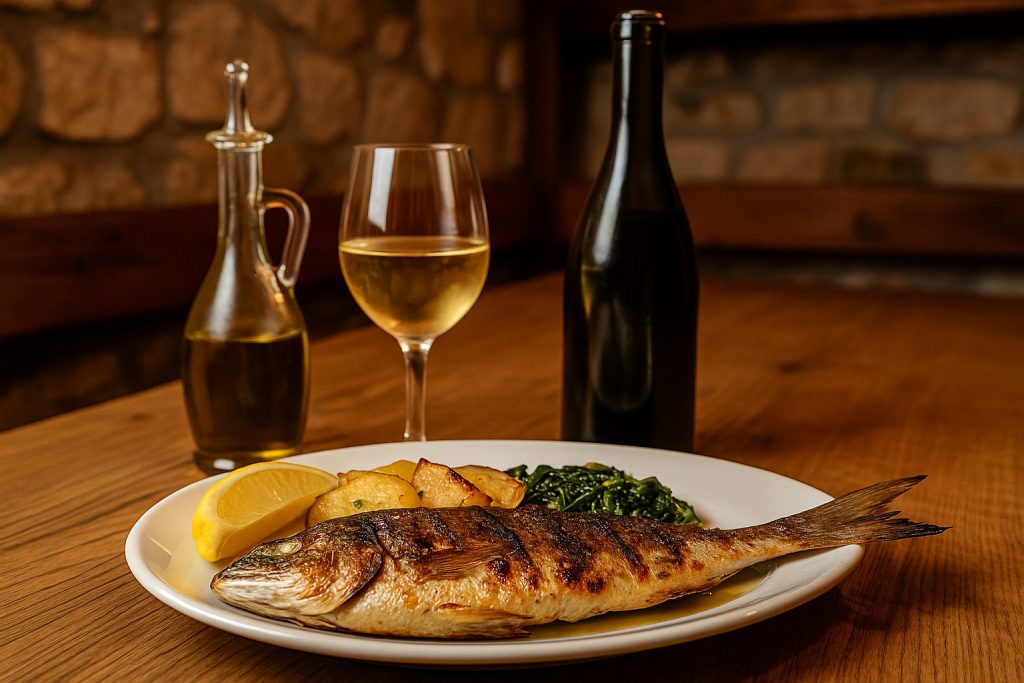
Eating in Zadar is one of those quiet joys that sneaks up on you. The food here isn’t about “fancy for the sake of fancy” — it’s about fresh seafood, good olive oil, seasonal vegetables, and that classic Dalmatian simplicity where a few great ingredients do all the work. Over our visits, we’ve found the best meals usually come from places that keep it honest: grilled fish that tastes like the sea, plates dressed with peppery local oil, and slow-cooked dishes that feel like you’ve been invited into someone’s kitchen.
What Zadar cuisine tastes like
Zadar sits at the meeting point of island life and mainland comfort, so you’ll feel both on the plate. Expect a lot of fish and shellfish, often simply grilled, plus black risotto (rich, inky, and deeply Adriatic), octopus (usually salad-style or slow-cooked), and seasonal sides that lean on olive oil, chard, potatoes, and wild herbs. You’ll also see the influence of inland Dalmatia and nearby regions in slow-cooked meat dishes — especially pašticada, that iconic sweet-savoury beef dish traditionally served with gnocchi (it’s more common a bit further south too, but Zadar does its own versions and you’ll often spot it on menus).
The secret weapon, though, is olive oil. If a place offers local oil at the table, use it — it’s not decoration, it’s the flavour foundation. Read our full guide to seafood in Croatia.
What to order (without overthinking it)
We always suggest ordering based on the day and the sea. If you see fish listed “by weight,” that’s usually a good sign — it means they’re treating seafood properly and pricing it the standard coastal way.
- Grilled whole fish (daily catch) if you want the cleanest “Dalmatia on a plate” experience.
- Black risotto if you want something iconic and deeply local in mood.
- Octopus salad or octopus “peka” style (slow-cooked) when you want something hearty but still seafood-forward.
- Mussels / buzara-style shellfish when you want a relaxed, shareable table moment.
- Pašticada + gnocchi when you want the traditional slow-cooked comfort dish (especially great on a cooler evening).
Price ranges (evergreen, no fragile numbers):
- A casual meal (pizza, pasta, simple plates): budget to mid-range depending on location.
- Seafood restaurants with fresh fish “by weight”: mid to higher, especially for larger fish or prime cuts.
- Sunset drinks: mid-range, with waterfront locations usually a bit more.
Coffee culture + the gelato moment
Zadar does cafés the way the Adriatic does best: slow. Coffee isn’t a pit stop — it’s a pause. We usually build our day around two café moments: one late morning after the Old Town loop, and one late afternoon as the city shifts toward evening. If you do nothing else, do this: sit down, order a coffee, and let Zadar move around you for a while.
Gelato is the natural follow-up — especially in summer, when a gelato stop becomes the easiest little ritual between wandering and sunset.

Sunset drinks spots
Zadar’s evening energy is built around the waterfront, so sunset drinks work best when you keep them close to where you actually want to be later (Sea Organ / Greeting to the Sun / peninsula edge). We usually go for one of these styles:
- Waterfront bars near the peninsula edge — best for atmosphere and the easy “stay out longer than planned” feeling.
- Old Town wine bars — perfect if you want something calmer and more intimate before you drift to the waterfront.
- Hotel terraces — a smart move if you want comfort, a view, and a slightly more polished vibe without hunting for a table.
- Anywhere you can see the sky — honestly, in Zadar, the view does half the work.

Best Day Trips From Zadar
Zadar is one of the best bases in Croatia for day trips — not because it’s “central” on a map, but because it gives you real, doable access to wildly different landscapes in a single holiday: islands and turquoise coves, raw cliffs and sea views, waterfalls and boardwalks, and even mountain trails that still smell like the Adriatic. We’ve planned Zadar days in every style (lazy, packed, spontaneous, weather-dependent), and these are the trips we keep recommending because they consistently deliver.
A quick note we’ve learned the hard way: the best day trips from Zadar depend on wind and sea conditions as much as they depend on your energy level. If the forecast is calm, the islands are unbeatable. If the wind is strong, shifting to a national park or inland plan can save your day.
Kornati Islands (Boat Trip)
This is the boat trip we recommend when you want the “Croatia postcard” feeling — open sea, scattered islands, raw rocky landscapes, and water that looks unreal. Kornati isn’t about one perfect beach you sit on all day; it’s more of a sailing-style experience where you move through the archipelago, stop for swims, and spend the day in that salt-sun-wind rhythm that feels wildly freeing.
Who it’s for:
We recommend Kornati if you love being on the water and you want a day that feels like an adventure without needing hiking shoes. It’s also perfect for couples and friend groups who want swim stops, sun, and scenery — and for anyone who wants to see Croatia’s island world at its most dramatic.
What you actually do:
Most trips are a full day on a boat with multiple stops — typically a mix of cruising through island channels, swimming breaks in clear coves, and a relaxed meal stop (depending on the tour). The joy is the movement: you’re not just visiting one place, you’re experiencing a whole seascape.
Sea conditions disclaimer (bora):
The one thing we always check before booking is the wind. Bora (bura) can make the sea rough and trips can be uncomfortable or even cancelled. If the forecast looks questionable, we keep Kornati as a “tomorrow if calm” plan and choose an inland day trip instead.
Dugi Otok (Sakarun + Cliffs)
Dugi Otok is our top recommendation when you want the “best water” day trip with a bit more wildness. It’s the kind of island that feels less polished and more natural — and the payoff is huge: bright Adriatic colours, big open views, and dramatic coastal scenery.
How to do it (ferry vs tour):
You can do Dugi Otok in two main ways. If you want it easy, a tour bundles the highlights into one smooth day (great if you don’t want to think about ferry timing). If you want more freedom, going by ferry works — but it’s better for travellers who don’t mind planning around schedules and being a bit flexible.
Best timing + what to pair together:
We always aim for an early start for Dugi Otok because it’s a fuller day, and the best swim moments happen before the peak heat and peak crowds. The classic combination is Sakarun (for that famous milky-turquoise look) paired with cliff/coastal viewpoints for a totally different kind of wow. The trick is not trying to do “everything” — choose a couple of key moments and leave space for swimming and slow island time.
Plitvice / Krka National Parks
If you want waterfalls, you’re choosing between two very different styles of day trip — and we recommend deciding based on your tolerance for crowds and driving, not just photos.
Plitvice Lakes National Park:
Plitvice is the blockbuster. It’s bigger, more dramatic, and incredibly photogenic — but it’s also the one that can feel most crowded, especially in peak season. We recommend it if you want the “once in a lifetime” waterfall-lakes scenery and you’re okay with a longer day and more people. Starting early matters a lot here.
Krka National Park:
Krka is often the easier-feeling day trip: generally a bit closer and more “day-trip friendly” in pace. We recommend Krka if you want a waterfall day that’s beautiful but typically less of a logistical marathon than Plitvice. It’s a great pick if you’re travelling with mixed energy levels or you want to be back in Zadar for a sunset evening.
Which one should you choose? (quick comparison)
- Choose Plitvice if you want the most dramatic scenery and you’re fine with a longer, fuller day (and bigger crowds in summer).
- Choose Krka if you want waterfalls with a smoother day-trip flow and less intense pacing.
Paklenica National Park
Paklenica is the day trip we recommend when you want to trade sea views for mountain air — without giving up the feeling of being near the coast. It’s one of the best “contrast days” from Zadar: you can swim on the Adriatic one day and hike dramatic gorges the next.

Easy trails vs serious hikes:
Paklenica works for different levels. There are routes that feel like a scenic nature walk through gorge landscapes, and there are more demanding hikes if you’re looking for a real challenge. We love it because you can choose your intensity on the day, depending on the weather and your energy.
Perfect if you want mountains + sea in one trip:
If your ideal Croatia trip includes both coastline and rugged nature, Paklenica delivers that contrast beautifully — and it’s the kind of place that makes you feel like you’ve seen a different side of Dalmatia.
Zrmanja River (Kayaking Day Trip)
This is one of our favourite “something completely different” days from Zadar — because it’s still wild Dalmatia, just not the sea version. The Zrmanja flows through a spectacular canyon in water so clear it looks unreal, and the whole experience feels like a secret: quiet river bends, cool shade, and those moments where you stop and realise you’re swimming in a natural pool with cliffs around you.
Who it’s for + what you actually do
We recommend Zrmanja kayaking if you want an active day that’s still approachable — you don’t need to be an athlete to enjoy it. Most trips are a guided paddle through calmer sections mixed with easy rapids, plus stops for swimming, photos, and soaking up the canyon scenery. It’s the perfect choice if you’re travelling as a couple or with friends and want an outdoorsy day that’s fun, not exhausting.
Even though the rapids are usually easy, it’s still a river environment — guides matter here, and conditions can change with weather and water levels. If you’re even slightly unsure, we always recommend going with a reputable guided tour rather than trying to DIY it.
What makes it special
Unlike sea days, where you hop between beaches, this one is about moving through the landscape. You’ll encounter small waterfalls, gentle current sections, and hidden swimming pools you can slip into when the sun gets hot. We love how refreshing it feels — the water is cooler than the sea, and the canyon turns the whole day into a natural adventure.
Best timing + what to pair together
We like doing this as a dedicated half-day or full-day activity (depending on the tour), then returning to Zadar for a slow shower, a good meal, and sunset on the waterfront. If you’re visiting in peak summer, earlier start times can feel better — more shade, fewer people, and calmer pacing.
Zadar in Each Season

We love Zadar year-round, but it changes its personality with the calendar. Spring feels fresh and calm — perfect for long Old Town walks and day trips without the summer intensity. Summer is pure Adriatic energy: hot days, busy evenings, and the sea becoming your daily routine. Autumn is our “best value” season, when the water often stays inviting, but the crowds soften, and the city feels easier. Winter is quiet and local — moody skies, empty stone streets, and that slow coastal rhythm that’s beautiful if you’re not chasing beach weather.
Costs, Money & Practical Tips
Zadar is one of those places where your trip can be as budget-friendly or as indulgent as you want — and the biggest cost differences usually come down to season, how close you stay to the Old Town, and how many boat/day trips you add. We keep this section evergreen on purpose, so you can use it whether you’re visiting in spring calm or peak-summer buzz.
Typical costs in Zadar (evergreen ranges)
Accommodation (per night)
- Budget: simple rooms, guesthouses, basic apartments — best value tends to be slightly off the peninsula.
- Mid-range: boutique stays, well-located apartments, comfortable hotels — this is the sweet spot for most travellers.
- Splurge: heritage/boutique luxury in the Old Town or full resort-style stays in the beach zones.
Meals
- Cheap eats: bakery/burek, pizza, simple pasta, casual grills — great for keeping days flexible.
- Sit-down meals: seafood restaurants and Old Town dining — generally mid-range, with waterfront spots often a bit higher.
- Seafood “by weight”: expect a jump in cost, especially for larger fish or premium catch — it’s normal on the coast.
Tours
- Group tours: the best value for Kornati/Dugi Otok, kayaking, or Plitvice/Krka day trips if you don’t want to drive.
- Private tours: a bigger spend, but worth it if you want complete timing control, comfort, and a tailored pace (especially for couples/families).
Parking
Paid parking zones are common, especially near the Old Town and in peak season. We always recommend choosing accommodation with clear parking if you’re arriving by car — it removes a lot of stress. If you’re staying on the peninsula, the “park once and walk” approach is usually the smoothest.
Money basics (currency, cards, tipping)
- Currency: Croatia uses the euro (€).
- Cards vs cash: cards are widely accepted, but we still like carrying a small amount of cash for small cafés, kiosks, beach bits, and occasional “cash preferred” situations.
- Tipping: not needed, but appreciated. We usually round up in cafés and leave a small tip for good service at sit-down meals — especially if we’ve lingered (which we usually do).
Mini language phrases (easy + useful)
Even a few words make a difference, and locals appreciate the effort:
- Dobar dan — Good day / Hello
- Hvala — Thank you
- Molim — Please / You’re welcome / “Yes?” (context-based, very useful)
- Oprostite — Excuse me / Sorry
- Koliko košta? — How much does it cost?
Safety & scams
Zadar generally feels safe and relaxed, and we’ve always found it easy to travel here without stress. The usual common-sense rules apply: keep an eye on your belongings in busy areas, don’t leave valuables visible in a parked car, and be mindful in crowds at sunset hotspots.
If something feels “too good to be true” (especially around transport offers), we simply stick to official taxis/transfers or reputable tour providers. That’s usually all it takes.
Accessibility notes (Old Town stone streets)
Zadar’s Old Town is beautiful — and it’s also stone. Expect uneven paving, steps, and narrow lanes, which can be challenging for strollers, wheelchairs, and anyone with limited mobility. We suggest comfortable shoes with grip, and if accessibility is a priority, choosing accommodation with easy access (elevator/ground floor) and planning routes that avoid unnecessary steps can make a big difference.