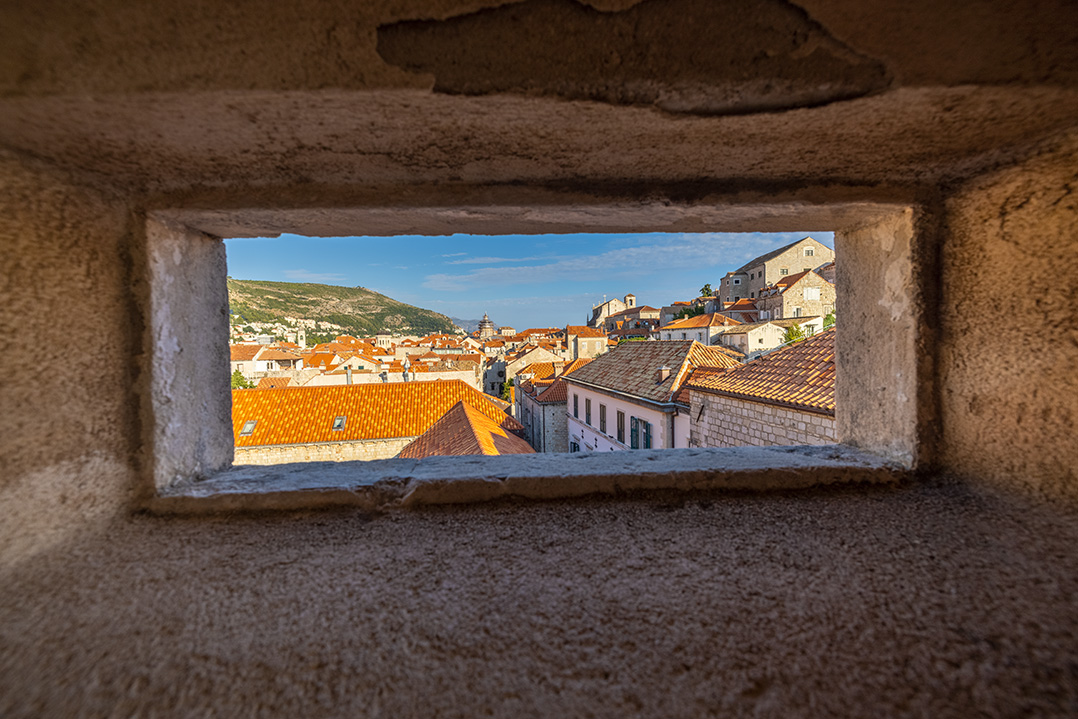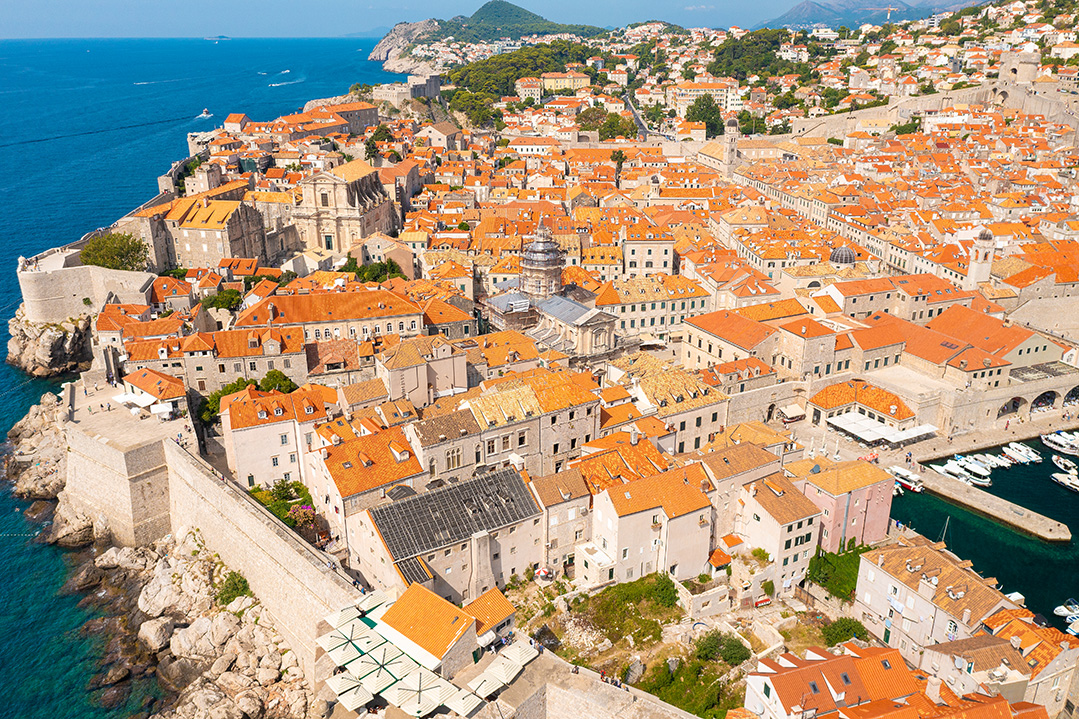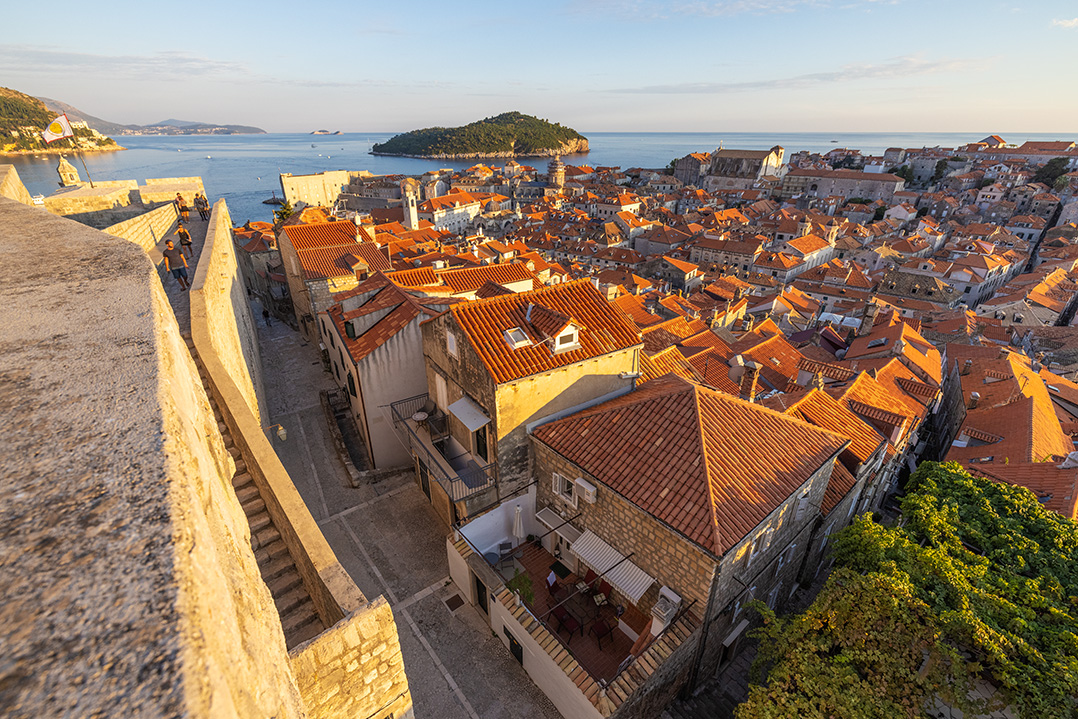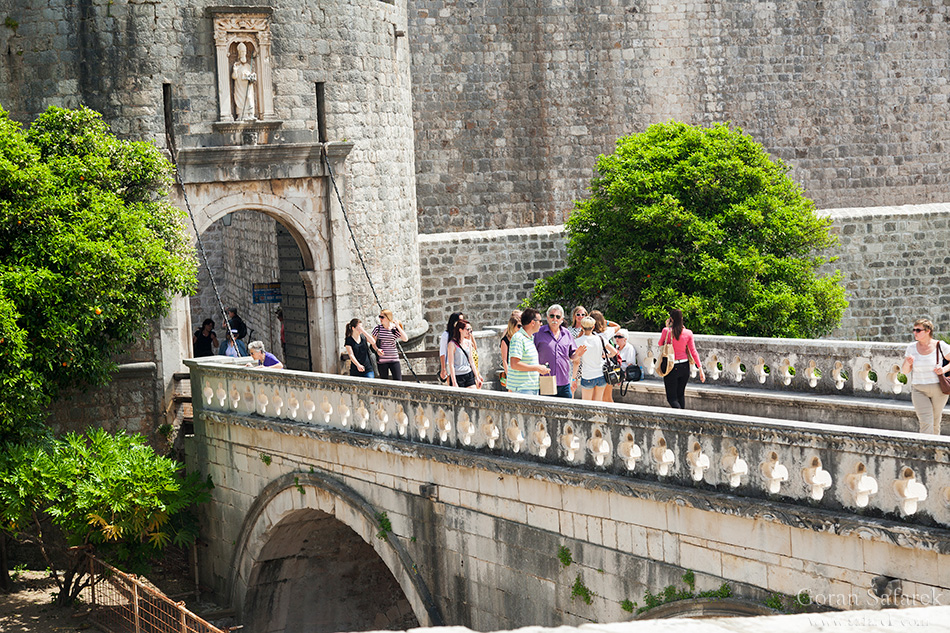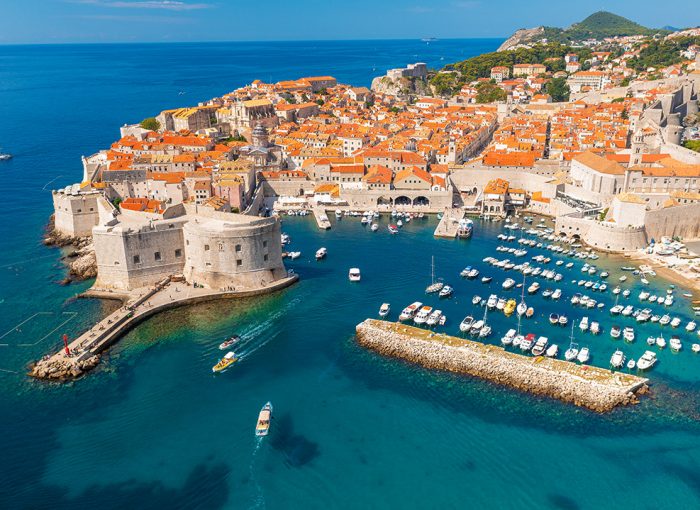

Dubrovnik is the kind of place that makes you stop mid-step and just look: stone walls dropping straight into the sea, terracotta roofs stacked like scales above the cliffs, church bells and gull calls mixing with the sound of waves. Walk through Pile Gate, and the limestone under your feet is polished by centuries of footsteps; lift your eyes and it’s all balconies, shutters, and a strip of blue sky. It feels ancient and theatrical at the same time — a medieval city that also happens to be somebody’s shortcut to the bakery or evening swim.
Table of Contents
We’ve returned to Dubrovnik many times, and most visits fall into the same quiet rhythm: early walks through almost-empty streets, the city walls before the heat builds, slow afternoons close to the water, and evenings pulled back towards the glow of the Old Town. In between, there are the practical realities you don’t see on postcards — the stairs, the cruise-ship hours, the way one wrong timing choice can turn a beautiful place into a crowded, exhausting one.
That’s exactly what this Dubrovnik travel guide is built on: the small decisions that shape how Dubrovnik feels. Which parts of the Old Town stay lively (and noisy) late into the night, what’s actually walkable in the heat, when the walls are magical and when they’re a slow-moving queue, where to swim for clear water without the chaos — and how to stitch it all together so your days move with Dubrovnik’s natural flow rather than against it.
Inside, you’ll find the best things to do in Dubrovnik, a city walls + Old Town route that works in real life, where to stay by neighbourhood and vibe (Old Town vs Ploče vs Lapad vs Gruž), beaches and viewpoints, plus 1–5 day itineraries that don’t try to tick every box at once. We’ll also cover the practical side that makes or breaks a trip — when to visit to dodge the worst crowds, how to get from the airport to your hotel, and how day trips to islands and nearby towns actually work — so you can plan with a clear head and arrive already feeling in control.
If you’re here for a Dubrovnik that feels effortless — not rushed, not performative, just beautifully paced between stone and sea — this guide will help you build it.
Plan at a Glance: When to Go & How Long to Stay
Before you start pinning viewpoints and beaches, it helps to fix a few anchors: when to visit, how many days you actually need, and what your priorities are. Dubrovnik is small on the map, but the mix of heat, stairs and crowds means timing matters more than it seems.
Jul–Aug for peak summer energy (and peak prices).
Nov–Mar for a quieter, moodier Dubrovnik.
3 days = add Lokrum or a slow beach half-day.
4–5 days = day trip + a calmer pace (highly recommended).
2) Old Town wander (side lanes, not just Stradun).
3) One panoramic moment (sunrise/sunset viewpoint).
Keep midday for shade + swims + long lunches.
Best Time to Visit Dubrovnik
Dubrovnik can feel like two completely different cities depending on when you arrive. Timing decides everything: how hot the stone streets feel underfoot, how long you’ll wait at the walls, and whether your “quick swim” becomes a blissful ritual or a crowded scramble.
| Jan | Feb | Mar | Apr | May | Jun | Jul | Aug | Sep | Oct | Nov | Dec | |
|---|---|---|---|---|---|---|---|---|---|---|---|---|
| Air (feel) | ||||||||||||
| Sea | ||||||||||||
| Crowds | ||||||||||||
| Prices |
Sea: pale blue = too cold, mid blue = fresh, deeper blue = warm and swimmable.
Crowds: pale green = low, peach → orange = high / peak.
Prices: pale green = low, peach → orange = higher / peak.
Shoulder season sweet spot (April–June, September–October)
If you want Dubrovnik to feel romantic, walkable, and slightly unreal in the best way, shoulder season is where it shines. Days are bright but not punishing, the city walls are actually enjoyable, and the Old Town still has that “every corner is a photo” magic without quite so much jostling.
- Weather vibe: warm, pleasant, and far kinder for stairs and long walks.
- Sea vibe: late May/June + September are the sweet spots where the water starts feeling properly inviting.
- Crowd level: noticeably calmer than peak summer, especially if you start your days early.
💡 Insider notes:
In shoulder season, Dubrovnik rewards slow pacing—walls early, long lunch, swim later, then come back when the stone starts glowing again.
Peak summer (July–August)
Summer Dubrovnik is dramatic: the sea is at its best, sunsets are late, and the city buzzes from morning until night. It’s also hot, busy, and expensive—and this is when timing becomes your superpower.
- Heat: the limestone reflects it back at you. Midday walking can feel like a mistake.
- Crowds: cruise-ship hours plus peak holiday travel can turn “quick stops” into queues.
- Prices: accommodation costs rise fastest here, especially close to the Old Town.
- Best times of day: before 9:00 for the walls + Old Town photos, and after 17:00 for anything popular. Keep midday for water, shade, museums, or a long lunch.
If you’re coming in July/August, plan Dubrovnik like a Mediterranean local: early mornings, slow middays, golden-hour evenings.
Winter (November–March)
Winter is for people who want Dubrovnik to feel like a real coastal city again—quiet streets, sharper light, and that peaceful “you can hear your own footsteps” kind of atmosphere. You’ll trade beach days for moody walks, cafés, and a calmer rhythm.
- Quiet charm: you’ll get space in the Old Town and a more local feel.
- Shorter days: plan your main wandering for daylight hours.
- Some closures: fewer tours and reduced seasonal services (especially on the water).
- Best for slow travel: museums, viewpoint walks, coastal storms, and unrushed meals.
💡 Best time to visit Dubrovnik — quick takeaway:
- Best overall months (weather + fewer crowds): April–June and September–October
- Best budget months: November–March (also early April and late October can be great value)
- Best swimming months: late June–September (warmest in July–August)
Top Things to Do in Dubrovnik
Dubrovnik isn’t a “do everything” city — it’s a do the right things at the right time city. When you plan with Dubrovnik’s natural rhythm, it feels effortless: the Old Town still has pockets of quiet, the walls feel cinematic instead of crowded, and your days move gently between stone and sea.
Instead of throwing 40 ideas at you, we focus on the best things to do in Dubrovnik that actually work in real life — with tiny timing notes, “best for” labels, and a pacing that makes sense on warm days: early walks, slow afternoons near the water, and evenings when the city glows again.
💡 Quick tips:
- The Old Town is compact, but vertical. It’s stairs, polished limestone, and little climbs that add up — comfortable shoes are part of the plan.
- Crowds come in waves. Midday is often the busiest, especially when cruise-ship schedules align — which is why mornings and later afternoons feel like a different city.
- Heat changes how far “walkable” really is. In summer, your best strategy is simple: do your big sights early, then let the sea take over.
- A swim break isn’t optional Dubrovnik magic — it’s the reset button. Even one dip between sights makes the whole day feel softer.
Use this list as your menu, not your checklist. If you’re here for two days, pick the essentials and give them the best light. If you have longer, add islands and viewpoint moments and let Dubrovnik stretch out a little. Done right, Dubrovnik doesn’t feel rushed or performative — it feels beautifully paced, and that’s when it’s at its best.
Walk the Walls of Dubrovnik
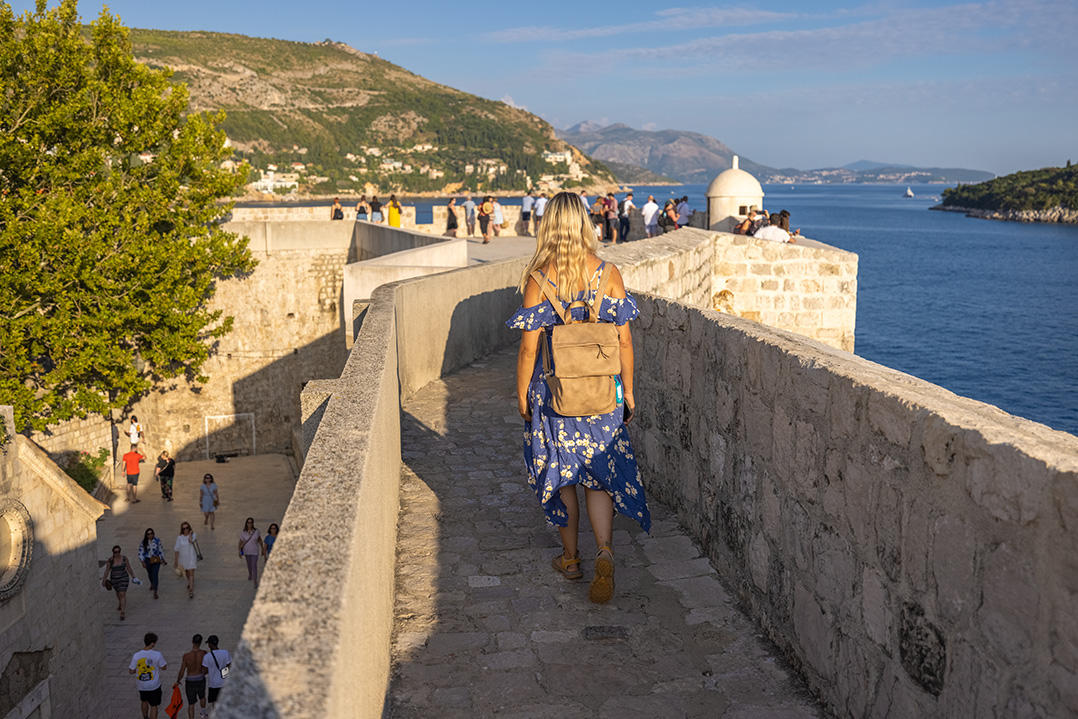
If you do only one “big” thing in Dubrovnik, make it the walls — not because you should, but because they’re where the city makes sense. Up there, Dubrovnik stops being a postcard and becomes a living map: rooftops layered like terracotta waves, the Old Town streets threading below, and the Adriatic turning from turquoise to deep blue depending on the light.
🧱 Need to Know: Dubrovnik City Walls
- ⏰ Open: Daily, but hours change by season. The official site posts the current working hours (winter example shown: 9:00–15:00). Closed on Dec 25. Last entry = closing time.
- 💸 Tickets: €40 adult • €15 ages 7–18 • free under 7. Winter discount is typically €15 adult / €5 ages 7–18 (usually Nov–Feb).
- 🏰 Includes: With a City Walls ticket, you can also visit Fort Lovrijenac (the reverse isn’t true — a Lovrijenac-only ticket doesn’t cover the full walls).
- 🚪 Entrances: Multiple entry points around the Old Town — most people start near Pile Gate; there are also entrances near Ploče Gate and by St. John’s Fortress.
- ⏳ How long: Plan 1.5–2.5 hours depending on crowds + photo stops.
- ☀️ Bring: water + sun protection (shade is limited) and grippy shoes (polished stone + steps can be slippery).
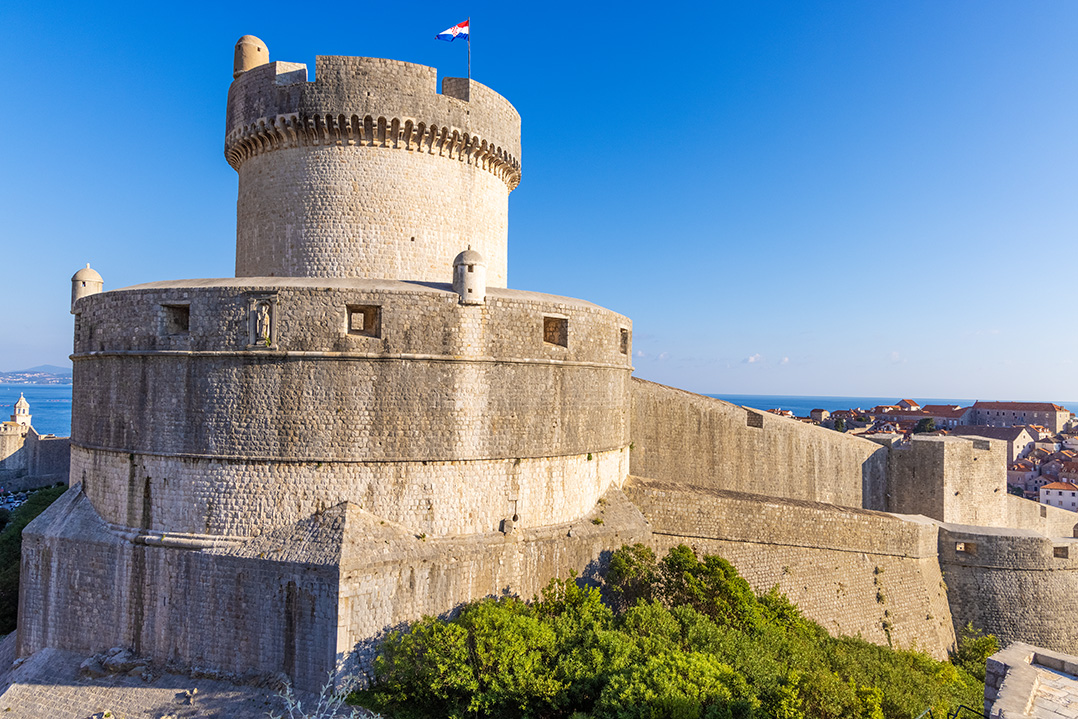
The walls loop almost 2 km around the Old Town, and the beauty is how complete the circuit feels — towers and bastions appearing just as the view changes, little shifts in angle that reveal a new slice of sea or another rooftop canyon. One of the most memorable points is Minčeta Tower, the highest spot on the fortifications — the kind of viewpoint that makes you go quiet for a second.
You don’t need to know every siege and century to feel what the walls were built for: protection, visibility, control — a city designed to endure. Today, they’re simply the best way to experience Dubrovnik in one slow, elevated walk. And yes, this is also part of why the historic city is UNESCO-listed — but what you’ll remember is the light, the wind, the scale of stone against sea.
Best time to go: early morning (cooler + calmer + best photos) or late afternoon (golden glow). In July/August, midday heat on the ramparts can feel relentless — it turns something magical into something you rush.
🧡 Insider tips:
- Go early or go late. Timing is the difference between “cinematic” and “crowded.”
- Start smart: enter near Pile Gate if that’s where you’re based, then keep a steady pace and use the few shaded pockets for quick water breaks.
- Wear proper shoes. Polished stone + steps can be slick, especially when it’s hot.
- Bring water + sun protection. Shade is limited once you’re up on the ramparts.
- Plan your “walls day” first. Once the walls are locked in, the rest of Dubrovnik slots into place much more easily.
- Pair it with a swim. Walls → long lunch → water is the Dubrovnik rhythm that works.
Explore the Old Town: The Heart of Dubrovnik
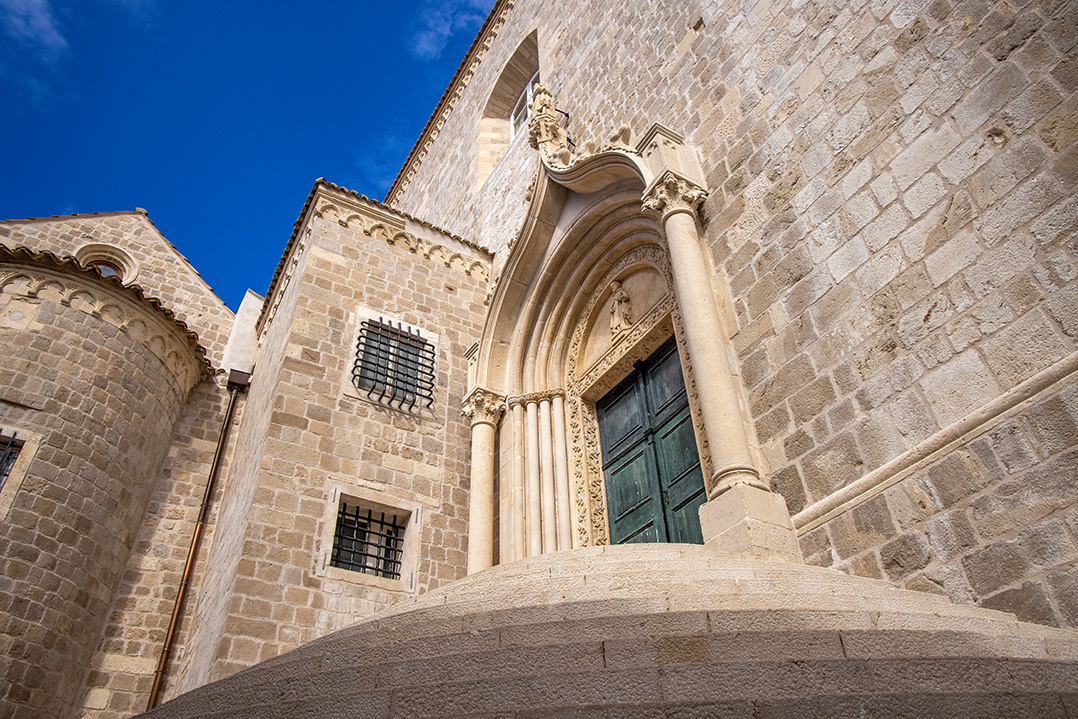
Dubrovnik’s Old Town isn’t something you “see” — it’s something you move through. The main street, Stradun, is beautiful, yes, but the real magic happens when you step off it: narrow lanes that suddenly turn into staircases, tiny balconies with plants spilling over stone, and quiet corners where the city feels like a neighbourhood again (not a stage set).
The trick is simple: don’t try to cover everything. Pick a loose direction, follow whatever pulls you in — then let Dubrovnik guide you back toward the light and the sea. Do it early or late, and the Old Town feels intimate and human. Do it at the wrong hour in peak season, and it can feel like you’re walking against a tide.
🏛️ Need to Know: Dubrovnik Old Town (how to enjoy it)
- ⏰ Best time to wander: 7:00–9:00 (quiet, best photos) or after 20:30 (cooler, calmer, stone glows under lights).
- 🌊 Crowd strategy: Use midday for shade + museums + a swim, then return to the Old Town in the evening when it feels softer again.
- 🪜 Reality check: Old Town is stairs. Even short distances can be vertical — wear comfortable shoes and expect a slower pace.
- 👟 Footwear matters: Polished limestone can be slippery, especially on steps. Grippy soles = a better day.
- 🧭 How to “get lost” without effort: Walk Stradun once… then immediately take a side lane and follow it until you hit a viewpoint, a courtyard, or the city wall line — then loop back down.
- 📸 Photo tip: For empty-lane shots, aim for early morning in the side streets (not just the main street).
- 🍦 Micro-ritual that works: Do a slow lap at night — gelato, a few quiet streets, and one last look at the lit stone before bed.
The Old Town is wrapped inside the walls like a little stone world of its own: narrow medieval lanes, baroque façades, and tiny cafés tucked into shaded corners. Start on Stradun for the classic “Dubrovnik first impression,” then step into the side streets — that’s where you’ll find quieter moments, small boutiques and galleries, and the kind of local restaurants that don’t feel like a conveyor belt.
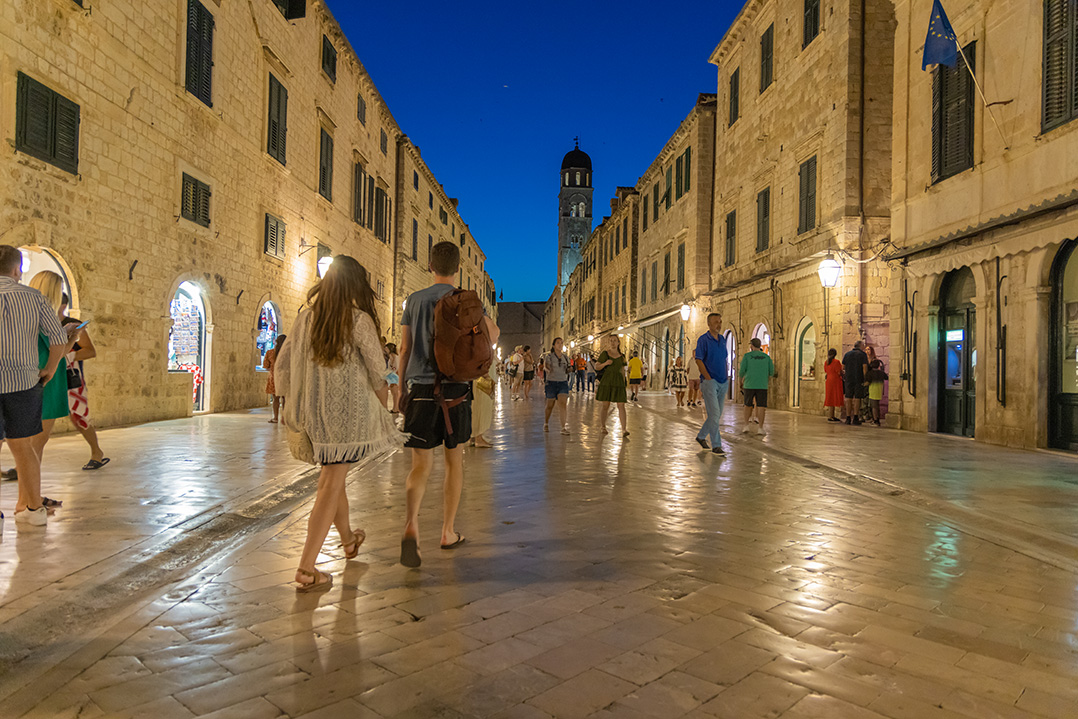
Use Onofrio’s Fountain as an easy meeting point, and drift toward Luza Square for Dubrovnik’s iconic landmarks like Orlando’s Column and the elegant Sponza Palace. If you want one calm cultural stop, pair the Dubrovnik Cathedral treasury with the Franciscan Monastery (home to one of the world’s oldest pharmacies) — then come back at night, when the lamps turn the stone golden and the Old Town feels almost unreal again.
Explore Dubrovnik Museums
Dubrovnik’s museums are best treated like seasoning, not a buffet. You don’t need five tickets and a “museum day” to feel the city’s history — you need one or two well-chosen stops that match your mood. They’re also the smartest way to enjoy Dubrovnik when the streets are busiest or the heat is at its peak: step inside, let the stone cool your shoulders, and come back out refreshed.
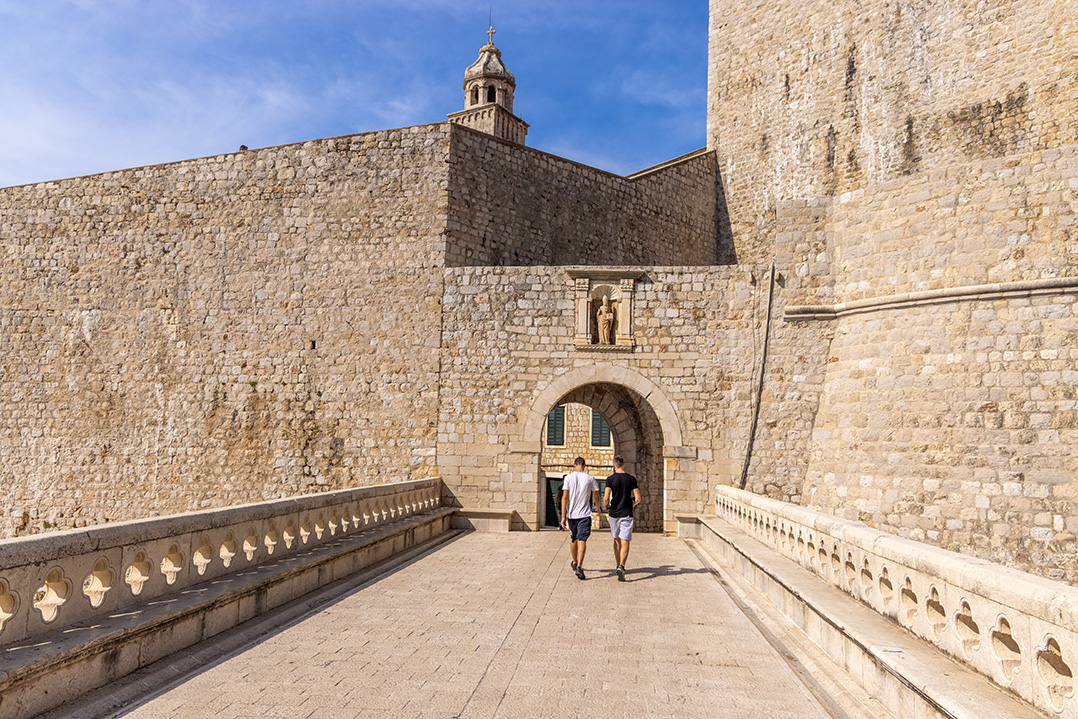
Think of Dubrovnik museums as small windows into bigger stories: the old Republic’s power and diplomacy, maritime life, sacred art, and the everyday details that make the Old Town feel lived-in rather than staged. Pick one that feels “you,” give it an unhurried hour, then return to wandering.
🏛️ Need to Know: Dubrovnik museums (how to do them right)
- ⏰ Best time to go: midday (perfect heat + crowd escape) or rainy hours when the Old Town feels slick and busy.
- 🎟️ Tickets tip: If you’re already getting the Dubrovnik Pass, plan your museums around it — it often bundles entry and makes the day feel simpler.
- 🧭 Best approach: Choose 1–2 museums max and pair them with an easy walk + a café stop. More than that starts to feel like homework.
- ⌛ How long: Most visits are 45–90 minutes — ideal for a “cool down” break between sights.
- 💛 Two reliable picks: Rector’s Palace (Dubrovnik Republic story + atmosphere) and the Franciscan Monastery (cloister calm + historic pharmacy).
Dubrovnik’s museums are a gateway into the city’s layers — maritime power, the old Republic’s diplomacy, modern Croatian art, and the more recent stories that still sit close to the surface. If you want one place that instantly explains Dubrovnik’s relationship with the sea, head to the Maritime Museum inside St. John’s Fortress — model ships, nautical maps, and the kind of details that make the harbour views outside feel more meaningful.
For a classic Old Town interior with serious atmosphere, the Rector’s Palace is the go-to: once the home of Dubrovnik’s elected rector, now a museum that quietly brings the Ragusa-era world to life. If your trip needs something contemporary, the Museum of Modern Art adds a lighter, creative counterpoint, while War Photo Limited is powerful and confronting — the kind of visit you choose intentionally, because it stays with you. Pick one or two, go in the hottest part of the day, and you’ll come back out to the streets feeling refreshed and more connected to what you’re seeing.
Dubrovnik Pass: When the Official City Card Actually Makes Sense
If you already know you’ll be walking the City Walls and dipping into a couple of museums, the official Dubrovnik Pass can be a smart way to bundle everything and stop thinking about individual tickets. It covers the walls, key museums and galleries, plus city buses during its validity period — which fits naturally with a “walls + Old Town + one cool-down museum” kind of day. The trick is not to buy it just because it exists, but because it matches how you’ll actually move through Dubrovnik.
🎟️ Need to Know: Dubrovnik Pass (official city card)
- 💡 What it is: The official city pass that includes City Walls, 6 museums, 2 galleries in Dubrovnik, plus public bus rides within the city during the validity period.
- 📅 1-Day Pass (24 h): €40 – best if you want to do the City Walls + 1–2 museums in one sightseeing day, with 24 hours of city buses included.
- 📅 3-Day Pass (72 h): €50 – adds more time and flexibility: City Walls, museums/galleries in Dubrovnik + 1 museum in Cavtat and 6 bus rides. Good if you’re in town for a long weekend and don’t want to rush.
- 📅 7-Day Pass (168 h): €60 – designed for longer stays; includes the same core sights, 1 museum in Cavtat, and 10 bus rides, plus extra discounts (Lokrum, Mljet, etc.). Ideal if you’re based in Lapad/Babin Kuk and bussing into the Old Town often.
- 👧 Children: Kids under 7 don’t need their own pass and have free entry to included sights + free public transport when accompanied by an adult.
- 🚌 How it works: The clock starts with your first use (at a museum, City Walls, or when you activate the bus ticket). Each included site is one visit per pass.
- 🛒 Where to buy: Online via the official webshop (QR code on your phone) or at official sales points in Dubrovnik (including the main tourist office near Onofrio’s Fountain and airport/visitor desks).
- ✅ Quick decision rule: If you’re doing City Walls + museums and using buses, the pass usually pays off. If you’re mostly wandering, swimming and doing one paid sight, single tickets are enough.
- ℹ️ Always double-check: Prices and inclusions can change – confirm on the official Dubrovnik Pass website just before you buy.
Stradun: Dubrovnik’s Bright Spine
Stradun is the first street most people meet in Dubrovnik — a long, shining runway of polished limestone running straight through the Old Town. It’s where everything feels turned up a little brighter: cafés spilling onto the stone, children chasing pigeons around Onofrio’s Fountain, tour groups orbiting their guides, the hum of voices bouncing off façades that look almost too perfect to be real. Walking Stradun once is essential; it gives you that “oh, this is Dubrovnik” moment and helps you understand how the whole Old Town is anchored.
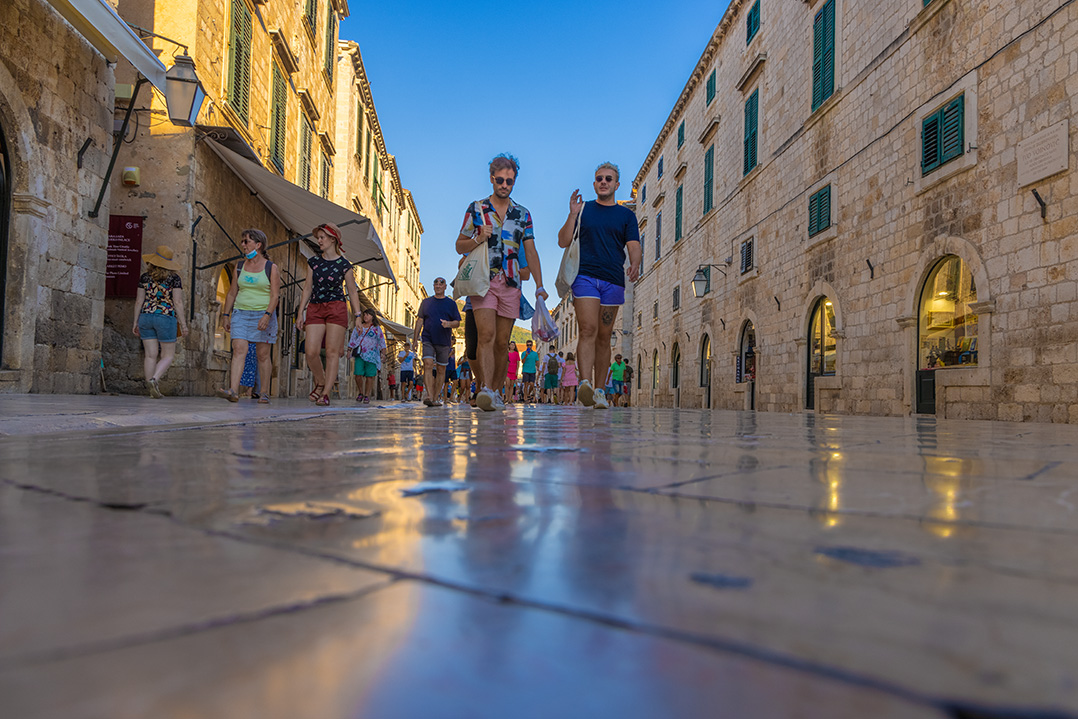
But Stradun is also where Dubrovnik can feel the most crowded and performative. This is why we always give this advice: walk it once slowly during the day, then leave it. As soon as you’ve taken in the big perspective, start slipping into the side lanes. That’s where the sound drops, the air cools, and you find the small things — a quiet bar, a tiny courtyard, a staircase that leads to a view or a dead end (both are good). Let Stradun be your orientation line, not your whole experience.
If you really want to fall for Stradun, see it after the day has exhaled. Once the cruise groups have gone and the heat sinks out of the stone, the street turns glossy under lamplight, and everything softens. You still feel the energy — families strolling, couples walking hand in hand, the clink of glasses from side streets — but there’s space between people again, and the Old Town feels more like a lived-in city than a stage.
This is the time to do a slow, aimless lap: start near Onofrio’s Fountain, let your feet find an unhurried pace, pause in the middle just to look up at the façades and bell towers lit against the sky, then drift into one or two side alleys before looping back. It’s simple, but it’s one of those Dubrovnik memories that stays — Stradun not as a busy thoroughfare, but as a glowing spine of stone running through a city that’s finally quiet enough to hear itself.
Fort Lovrijenac
Fort Lovrijenac is where Dubrovnik suddenly looks like a movie set in the best possible way. Perched on a 37-metre rock just outside the western walls, it feels separate from the Old Town, but completely connected to its story – a stone guardian watching over the harbour and Pile Gate. Climb up, and you get a completely different angle on Dubrovnik: the walls from the outside, the red roofs spilling into the sea, and that perfect view over Kolorina Bay.
🧱 Need to Know: Fort Lovrijenac
- ⏰ Open: Generally from 08:00, with closing time changing by season (longer hours in summer, shorter in winter). For exact times on your dates, check the Dubrovnik City Walls / Lovrjenac page or Tourist Board updates.
- 📍 Location: Just west of Pile Gate, above Kolorina Bay — about a 5–10 minute walk from the Old Town, including a steep staircase up to the entrance.
- 💸 Tickets: Included if you already have a Dubrovnik City Walls ticket or the official Dubrovnik Pass. A standalone ticket is also available at the entrance (expect roughly the cost of a small attraction; always confirm the current price on-site or online).
- 🎟️ How the combo works: If you walk the Walls first, you can use the same ticket to enter Fort Lovrijenac within the validity window (commonly a few days). Show your walls ticket at the fort gate instead of buying a new one.
- ⏳ How long you need: Around 30–60 minutes is enough for the climb, a slow lap of the ramparts, and photos.
- 🌅 Best time to go: Morning for softer light and cooler air, or late afternoon for warm, golden views of the Old Town and harbour. It’s usually calmer than the walls, even in peak season.
- 👟 Access: There are a lot of steps and no lift — not ideal if you’re avoiding climbs, but very rewarding if you can handle a short, steep walk.
The walk up is short but steep: a string of stone steps from the little cove below, then suddenly you’re in a quiet courtyard, high above the water. Inside, you can wander along the ramparts, peek through cannon openings, and read the famous Latin inscription above the gate – Non bene pro toto libertas venditur auro (“Freedom is not to be sold for all the world’s gold”), a line that says a lot about how Dubrovnik saw itself.
Cable Car & Mount Srđ Viewpoint
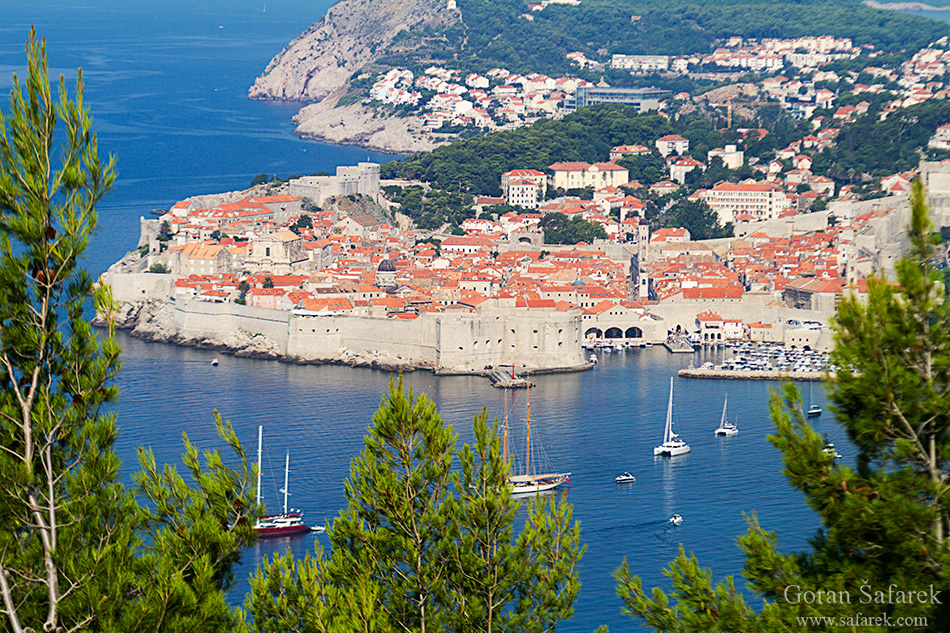
Riding the cable car up to Mount Srđ is the moment where Dubrovnik suddenly becomes a tiny, perfect model: the Old Town laid out like a drawing, the walls wrapped around it, Lokrum floating just offshore, and the Elaphiti Islands fading into the horizon. It’s only a four-minute ride, but it feels like a slow reveal — stone falling away beneath you, sea getting bigger, the city shrinking into shape.
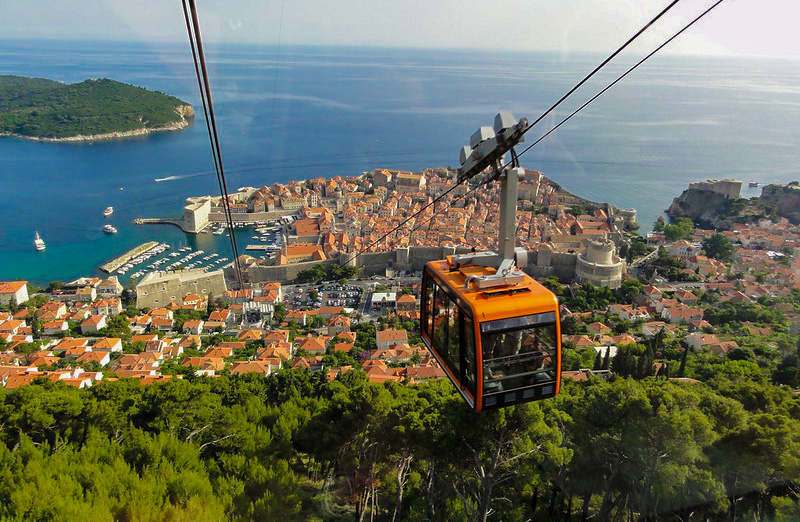
The big decision here is when to go. Morning usually gives the clearest, crispest views — blues feel sharper, the air is calmer, and the light is kind to cameras. Sunset, on the other hand, is pure atmosphere: the Old Town turning copper, the islands silhouetted, the sky layering pinks and oranges. In peak season, sunset is also when queues build, so it’s worth treating it like a “real” activity, not something you squeeze in last minute.
🚡 Need to Know: Dubrovnik Cable Car & Mount Srđ
- ⏰ Opening: The cable car opens at 09:00 daily. Closing time changes by season (longer hours in late spring–summer, earlier in winter) and it can close for strong wind or annual maintenance. Always check the official timetable just before you go.
- 💸 Tickets (2025/26): Approx. €30 adult round trip • €17 adult one-way • €8 child round trip (4–12) • €5 child one-way. Under 4s ride free. Prices are set by the operator and can change, so treat these as a guide and confirm on the official site or at the station. :contentReference[oaicite:3]{index=3}
- 🎟️ Where to buy: Tickets are sold at the lower station cash office and ticket machine (euros + cards accepted), and online via the official partner. A small transaction fee usually applies for online/third-party purchases; buying directly at the lower station is often the simplest. :contentReference[oaicite:4]{index=4}
- 📍 Location: The lower station is at Petra Krešimira IV 10A, about a 5–6 minute uphill walk from the Old Town (near Pile/Buža area). Just follow the “Cable Car / Žičara” signs from the city walls. :contentReference[oaicite:5]{index=5}
- ⏳ Ride time: Around 4 minutes each way, with cabins running every 15 minutes or as soon as they fill. :contentReference[oaicite:6]{index=6}
- 🌅 Best time to go: Morning for the clearest views and softer crowds; golden hour / sunset for drama (but expect more people and possible waits in July–August).
- 🥾 Hiking alternative: You can hike up or down via the Mount Srđ trail (about 30–60 minutes, steady incline, almost no shade). Sunset is stunning, but if you hike down after dark, bring a headlamp/phone torch — the path isn’t lit. :contentReference[oaicite:7]{index=7}
- 🏛️ At the top: Expect big viewpoints over the Old Town, Lokrum and the Elaphiti Islands, the large white cross, and Fort Imperial with its Homeland War museum, plus cafés/restaurants for a drink with a view. :contentReference[oaicite:8]{index=8}
If you like to mix a little effort into your views, you can also hike up or down instead of taking the cable car both ways. The trail is straightforward but exposed — think steady switchbacks, almost no shade, and big rewards at the top.
Lokrum Island
Lokrum is Dubrovnik’s pressure valve — a green, car-free island that feels like someone took all the noise out of the city and left just pine trees, rock shelves, peacocks and sea. It sits just offshore from the Old Town, close enough that you can see it clearly from the walls, but once you step onto the paths it feels like a different day: shaded trails, botanical gardens, monastery ruins and a salty little lake called the Dead Sea where you can float in still water.
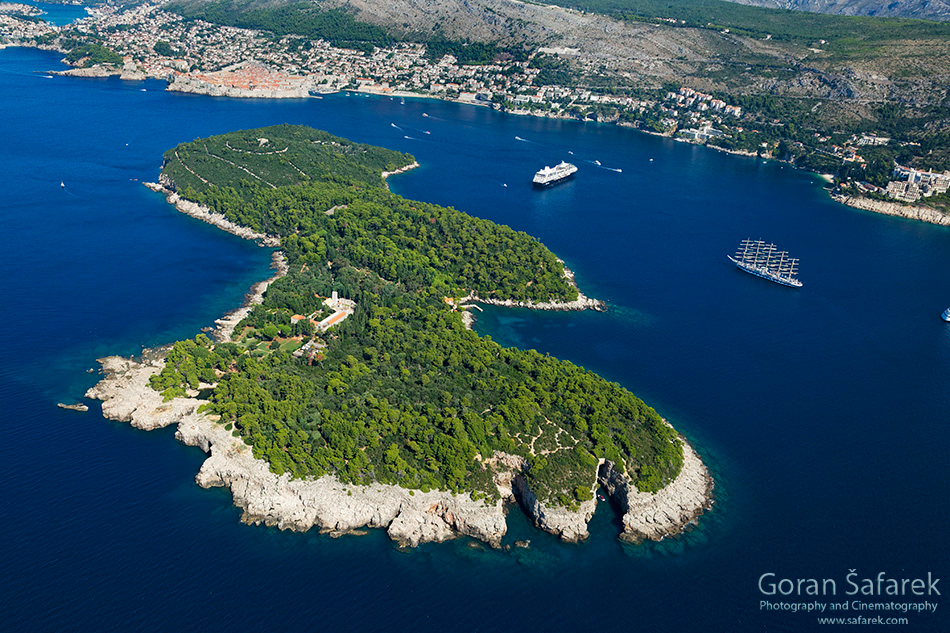
It’s also a protected nature reserve and special forest vegetation reserve, with thick Mediterranean woodland covering most of the island — part of the same UNESCO World Heritage story as the Old Town itself. That means a few simple rules (no littering, no picking plants, no staying overnight), but in exchange, you get somewhere that still feels wild in the best way.
For a classic half-day: boat over from the Old Port, walk through the old Benedictine Monastery ruins and the gardens, float in the Dead Sea, then pick a rocky swim spot on the outer side of the island where the water is clear and deep. Add a simple picnic and you’ve just built yourself Dubrovnik’s easiest reset.
🌿 Need to Know: Lokrum Island
- ⛴️ Getting there: Official passenger boats to Lokrum run from the Old Town Port. The ride takes around 10–15 minutes and drops you at Portoč Bay, the island’s main arrival point.
- 📅 Season & opening: Lokrum operates as a seasonal nature reserve. It’s typically open from spring to late autumn, with exact opening/closing dates and daily timetable updated each year on the official Lokrum channels.
- 💸 Tickets: The standard ticket is a combined boat + island entrance, bought at the kiosk in the Old Port. Prices can change year to year, so check the posted price list at the kiosk or on the official Lokrum website before you go.
- ⏳ How long to stay: Plan at least 3–4 hours for a relaxed loop (monastery ruins, gardens, the “Dead Sea”, a swim stop). A half-day is ideal if you want to really slow down.
- 🩱 Swim spots: The small saltwater “Dead Sea” is perfect for a calm float, while the outer side of the island has rocky platforms and ladders into clear deep water, including a clearly marked naturist area.
- 🌱 Nature rules: Lokrum is a protected reserve — no cars, no bikes, no pets, no staying overnight. Expect peacocks and rabbits roaming freely; admire them, but don’t feed them.
Elaphiti Islands: Easy Island-Hopping from Dubrovnik
The Elaphiti Islands are Dubrovnik’s soft-focus escape: low, green silhouettes on the horizon that turn into coves, pine shade and tiny harbours once you get close. Most people visit as a simple day trip from Dubrovnik — one boat ride, three small islands (usually Koločep, Lopud and Šipan), and a full day of swimming, wandering and eating somewhere that feels gently removed from the city. It’s not about ticking sights; it’s about slowing your rhythm, getting off the stone, and letting the Adriatic do its thing.
⛵ Need to Know: Elaphiti Islands (Koločep, Lopud, Šipan)
- ⛴️ How to visit: Easiest is a day tour by boat from Dubrovnik (often a “3 islands” trip visiting Koločep, Lopud and Šipan). Independent travellers can also use local ferries, but timetables change seasonally and need checking in advance.
- ⏳ How long you need: A full day works best — expect a relaxed pace with swim stops, short walks through small villages and a long lunch somewhere by the water.
- 🏝️ Island vibes: – Koločep (Kalamota): tiny, green, no cars; coastal paths and quiet swim spots. – Lopud: mix of a pretty harbour and the wide, sandy Šunj Beach on the far side of the island. – Šipan: the largest, with stone houses, old summer residences and a more “lived-in” village feel.
- 💸 Costs: Organised day trips usually bundle boat, basic lunch and some drinks in one price. DIY ferry + food can be cheaper but requires more planning and watching the clock. Always check current prices/timetables when you book — they change by season and operator.
- 🩱 What to bring: Swimsuit, light cover-up, reef-friendly sunscreen, hat, water, and sandals/shoes you can comfortably walk in (harbour villages are small but still stone and sometimes hilly).
- 🌤️ Best time to go: Late spring to early autumn for proper swimming and long, bright days. In peak summer, aim for boats that leave earlier in the morning to stay ahead of the heat.
- 💡 Good to know: Many tours include a bit of music and a social vibe on the boat. If you prefer quiet, look for smaller-group or “relax”/“slow” labelled trips, or piece it together yourself with ferries.

Enjoying the Sun: Dubrovnik Beaches
Dubrovnik isn’t a classic “endless sandy beach” destination – it’s a coast of pebbles, rock platforms and clear, deep water, with swim spots that work best as beautiful pauses between walks, walls and viewpoints. Think: a late-morning dip when the stone streets start to shimmer, or an unhurried swim before sunset with the Old Town in the background.
The most famous place to do it is Banje Beach, just outside the Old Town. It’s a pebbly stretch with front-row views of the city walls and Lokrum, sunbeds and umbrellas in season, and a beach club/restaurant if you want a more “set up” day. It’s not the quietest option, but for a first swim with that postcard backdrop, it’s hard to beat.
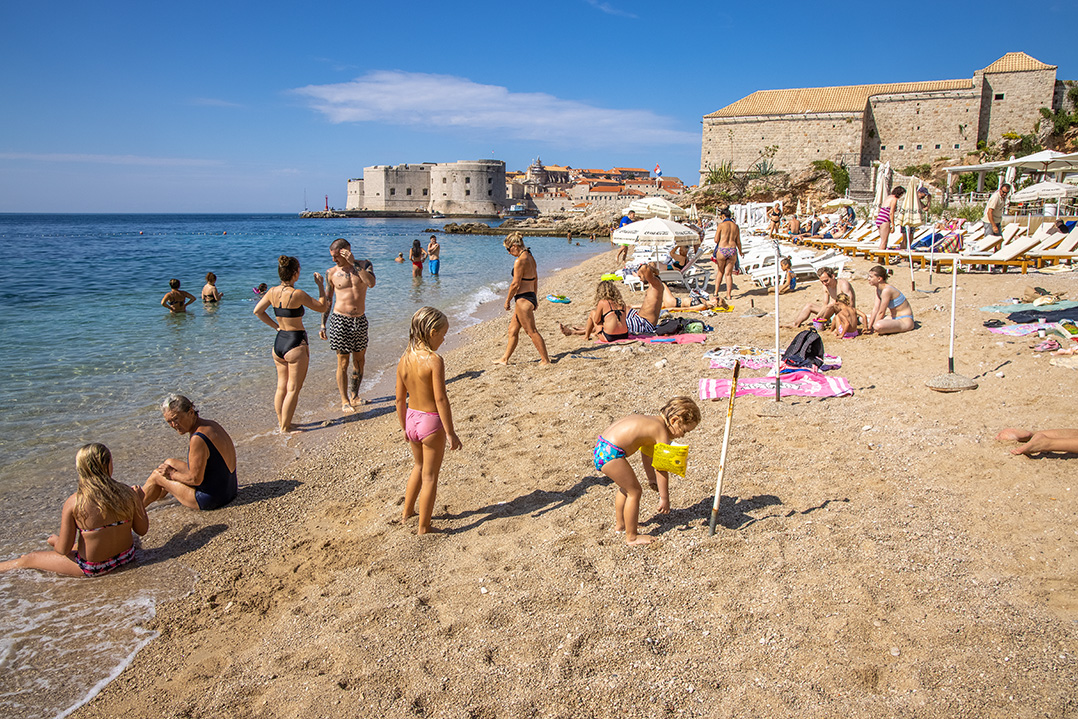
If you’d rather trade drama for ease, head to Lapad Bay – a whole bay with a mix of small beaches and promenades, great for families, longer beach days and sunset walks with cafés close by. Nearby Copacabana Beach leans more into water sports and fun (SUP, kayaks, inflatables), with a social, resorty feel.
For a more romantic, slightly tucked-away swim with a view back to the Old Town, Sveti Jakov Beach is the classic choice: a little more effort to reach (stairs involved), rewarded with clear water, a quieter vibe, and a beautiful angle on Dubrovnik from a distance.
And if you want to go a step further, the beaches and rocky swim spots on Lokrum and the Elaphiti Islands turn a simple swim into a mini day trip — pine shade, clear Adriatic water, and just enough distance from the city that your whole day slows down.
Game of Thrones and Dubrovnik: A Fantasy Come Alive
Even if you’ve never seen an episode, it’s hard to miss how naturally Dubrovnik slipped into the role of King’s Landing. The city didn’t need much dressing up: stone walls, looming forts, tight medieval lanes and that dramatic drop into the sea were already there. Fort Lovrijenac doubled as the Red Keep, Pile Gate and the staircase nearby became the stage for the “walk of shame”, and Minčeta Tower appeared as the House of the Undying. Once you know, you start catching familiar angles everywhere – usually right where you’d want to stand for a view anyway.
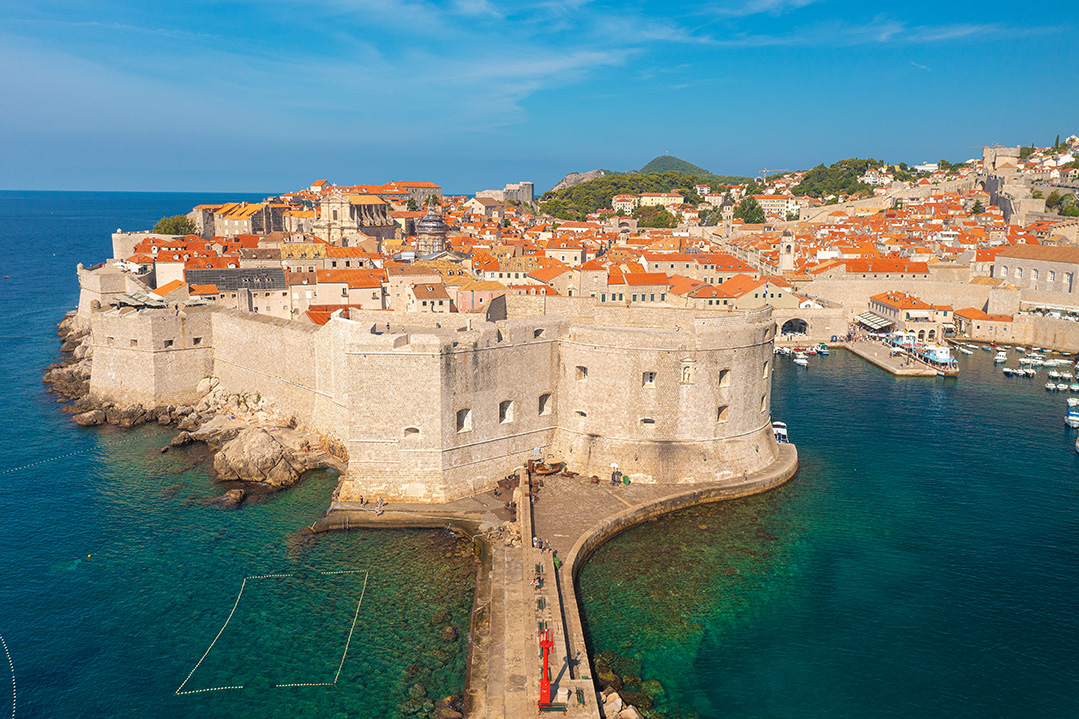
If you’re a fan, a Game of Thrones walking tour can be a fun layer to add to your visit. Guides carry stills from the show, point out exact filming spots and weave in a mix of behind-the-scenes stories and real Dubrovnik history as you move between forts, gates and viewpoints. And if you’re not especially into the series, you can still treat it as a different way to walk the city – just choose a small group or private tour, so the focus stays on Dubrovnik itself rather than only on the screen version.
Where to Stay in Dubrovnik
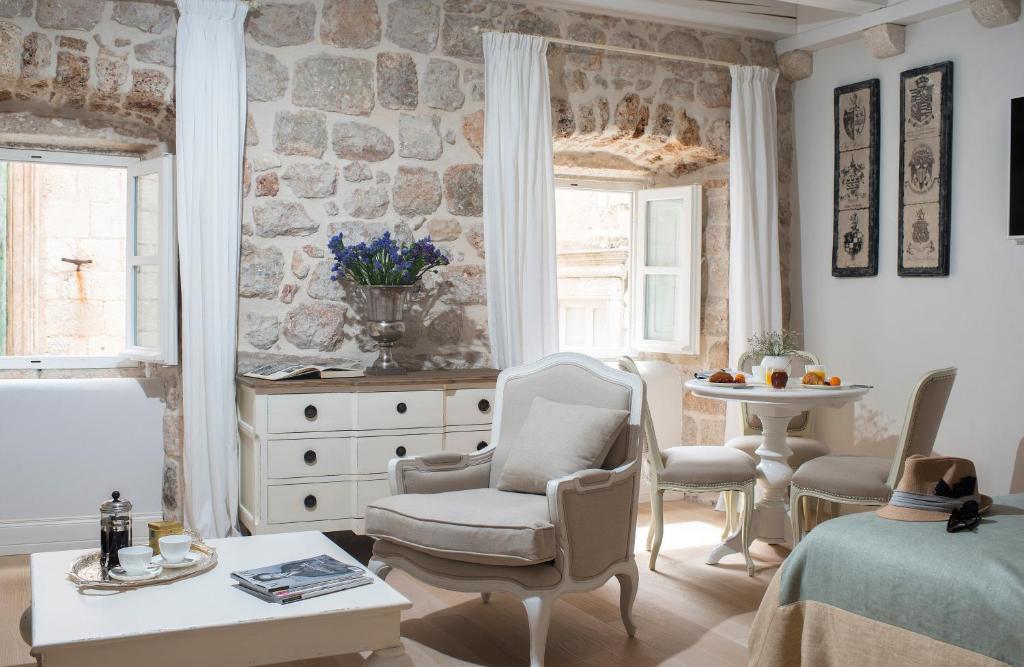
Choosing the right base in Dubrovnik changes everything — how often you climb stairs, how quickly you reach the Old Town, and whether your days feel buzzy or calm. The city is compact, but each area has a very different rhythm:
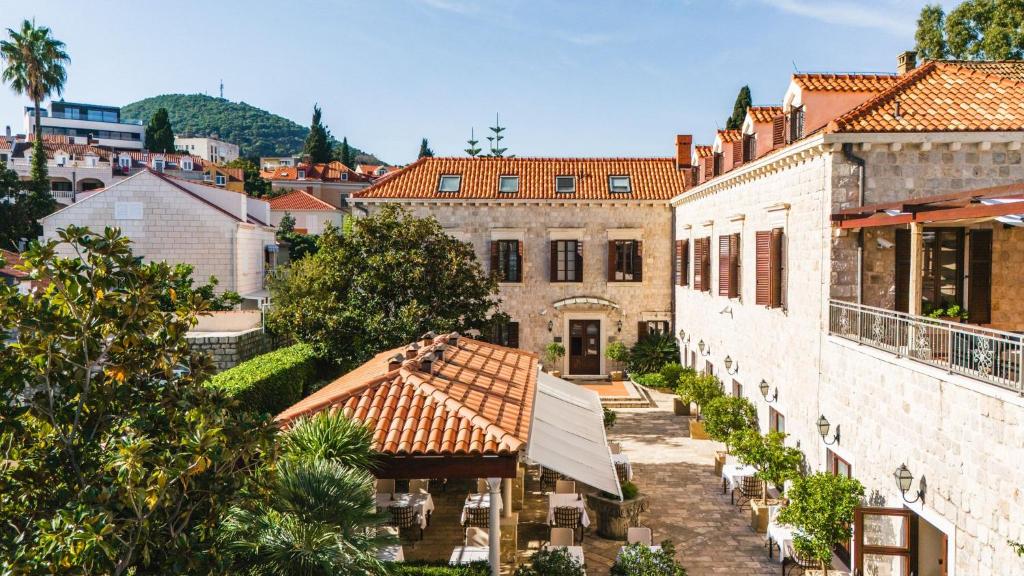
- Old Town – iconic, atmospheric, expensive, and often noisy. Perfect for 1–2 nights if you want to wake up inside the walls.
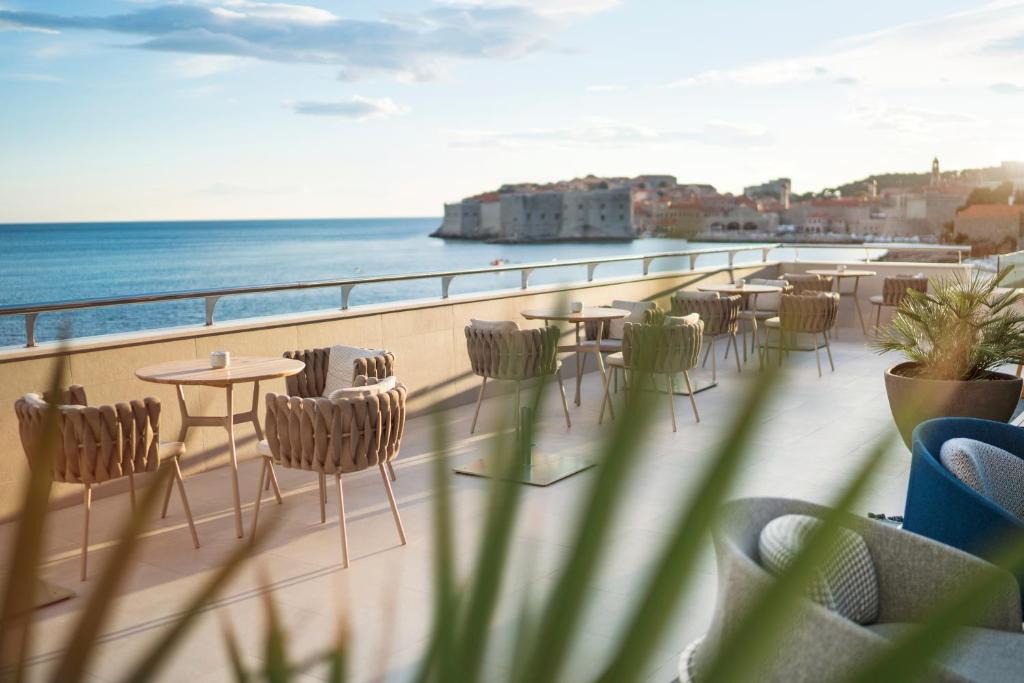
- Ploče – just outside the Old Town with big sea views and a more grown-up, hotel feel. Great for couples and first-timers who want views + easy access.
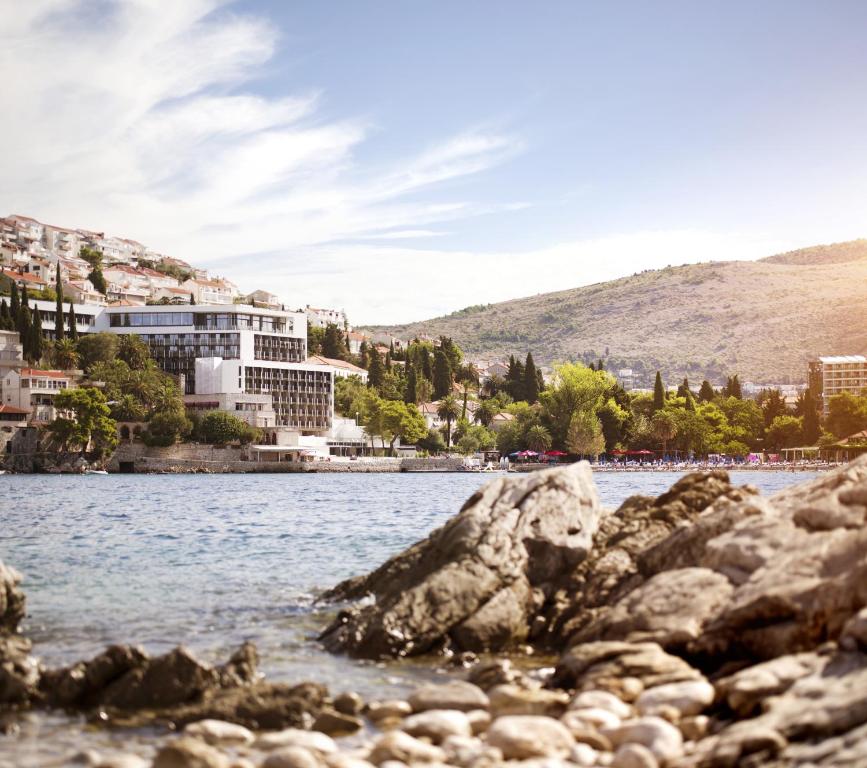
- Lapad – a small peninsula of beaches, promenades and cafés, calmer and often better value than staying by the walls.
- Gruž – the port / ferry area with practical hotels and apartments, usually cheaper and handy for early ferries and day trips.
Use the Old Town as your “anchor”, then pick the area that matches how you like to travel — either close to the action, or close to the sea (or both).
🛏️ Places to stay that match your vibe
Where to eat in Dubrovnik
Dubrovnik’s food is very much “Adriatic soul, simple plate”: fresh fish, good olive oil, grilled things, herbs that taste like the hillside, and desserts that feel like someone’s grandma still checks the recipe. You can eat with marble under your feet in the Old Town, or with waves as background noise in Lapad and Ploče – the trick is to mix one or two “wow” dinners with easy konobas, bakeries and cafés that keep things feeling real (and affordable).
👉 Prefer to taste everything in one go? Check Dubrovnik food tours here:
Flavours of the Adriatic
Seafood is where Dubrovnik shines. Look for grilled sea bass or bream, octopus salad, and black risotto (crni rižot) – in a good place it’s glossy and rich, not sticky. A glass of chilled Pošip or Malvazija fits perfectly with anything that’s seen the sea that day.

Beyond fish, a few dishes are pure comfort:
- Pašticada – slow-cooked beef in a sweet wine sauce, usually with gnocchi.
- Zelena menestra – smoky green cabbage stew from Konavle, especially good on cooler days.
- Rozata – Dubrovnik’s caramel custard, somewhere between crème caramel and flan.
🍷 Want to go deeper into Dalmatian wine? Browse the best Dubrovnik wine tastings & vineyard trips
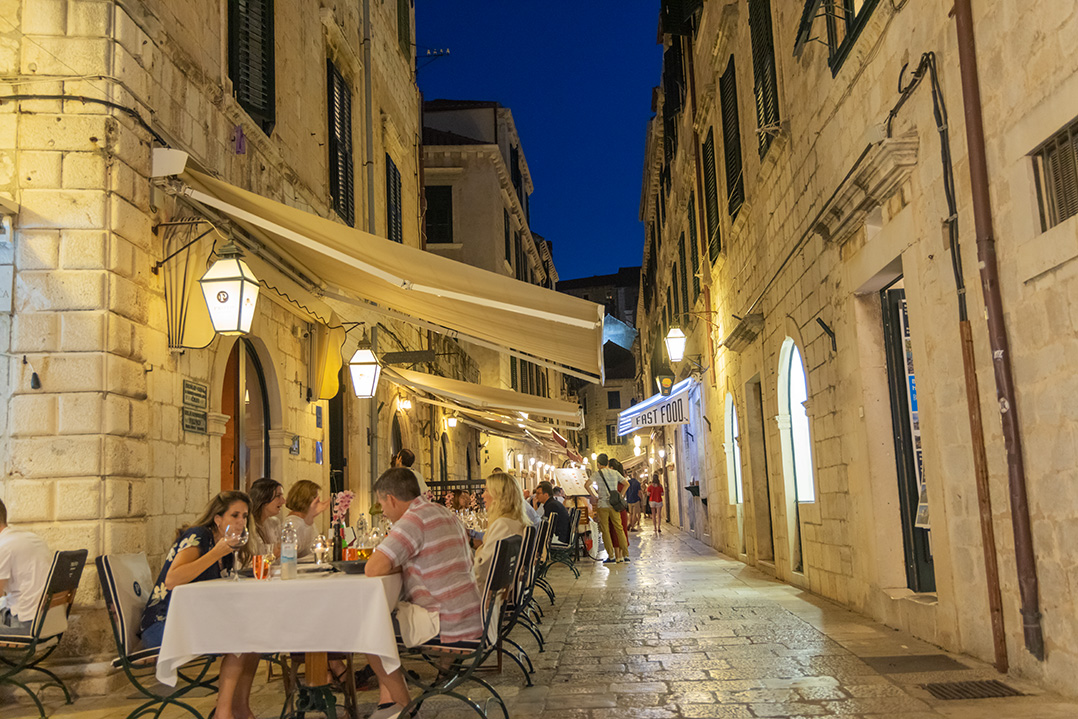
Old Town: Dinner Among the Stone
If you want one “big” dinner with candlelight and city walls around you, do it in the Old Town – then keep the rest of your meals simpler.
- 360 Dubrovnik – Fine dining carved into the city walls with harbour views; tasting menus that play with Dalmatian flavours. Book ahead, save it for a special night.
- Proto Fish – Old-school Dubrovnik, white tablecloths, great grilled fish and service that feels quietly polished rather than fussy.
- Taj Mahal – Not Indian, but Bosnian: ćevapi, stews, baked dishes that are perfect when you’re craving hearty, cosy food.
Seaside Dining: Ploče & Lapad
Just outside the walls, things open up: more air, more sea, fewer crowds.
- Banje Beach Restaurant & Lounge (Ploče) – Classic “view of the Old Town + Lokrum” set-up; good for a sunset drink that turns into dinner.
- Restaurant More (Lapad) – Refined seafood above, the famous Cave Bar carved into the rock below; lovely for a slow evening.
- Orsan Yacht Club (Gruž) – Understated, waterfront, and popular with locals; grilled fish, simple sides, boats bobbing in front of you.
Cafés, Coffee & Sweet Things
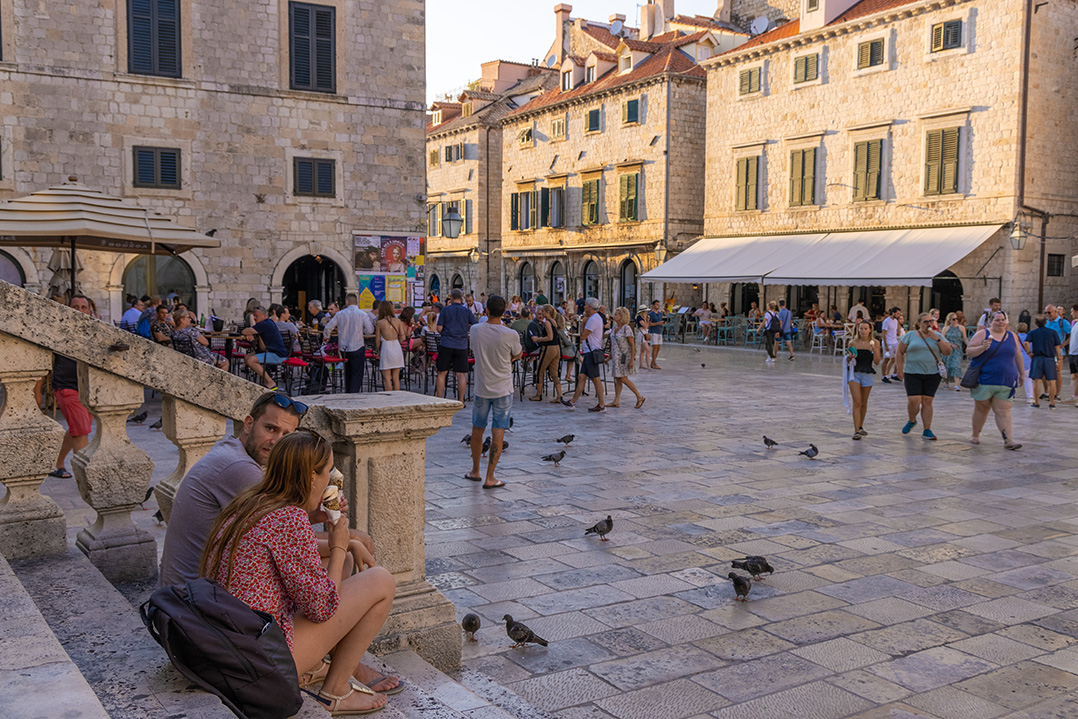
Dubrovnik runs on coffee and long chats. Mornings in Gundulić Square or a quiet side street off Stradun are perfect for espresso and people-watching.
- Cogito Coffee – Proper specialty coffee; ideal if you’re particular about your flat white.
- Dubravka 1836 – Café at Pile Gate with fortress views; a bit touristy, but the location is unbeatable for breakfast or sunset drinks.
- Local bakeries & patisseries – Step inside any place with a good cake display and try burek (savoury) or a slice of rola, pita, or rozata for something sweet.
Budget-Friendly & Local
If you want to escape “tourist menu” prices, walk a few minutes away from the busiest Old Town lanes or eat in Lapad/Gruž instead.
- Look for “konoba” in the name – it usually means simpler, more traditional cooking.
- Check out spots doing marenda (daily lunch specials) – often the best value, with whatever’s fresh that day.
- Street-food bars and small bistros are great for octopus burgers, seafood wraps, and quick bites between swims and sightseeing.
How to get to Dubrovnik
By Plane
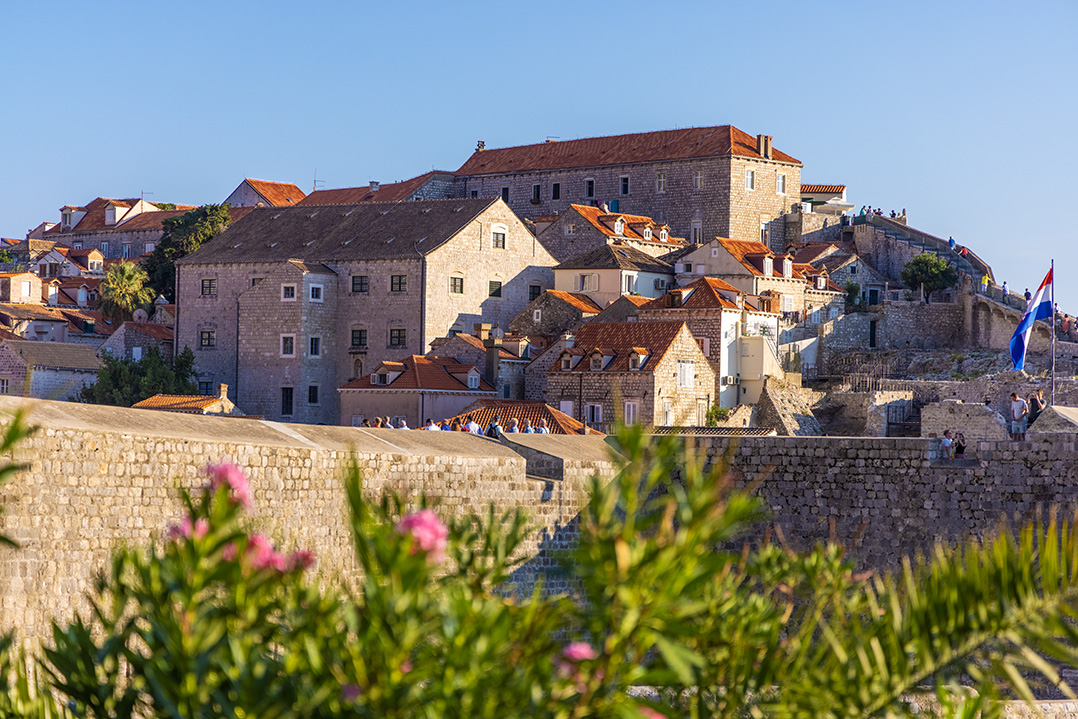
Getting to Dubrovnik feels a bit like arriving at the end of the line in the best possible way – a city of stone and sea, slightly out on its own, but still well connected by air, road and sea.
Most people will arrive by air. Dubrovnik Airport sits about 20 km south of the Old Town, near Čilipi, with plenty of direct flights from major European cities in spring–summer, plus year-round connections via hubs like Zagreb, Split or Munich. From the airport, you have three easy options: the airport shuttle bus (running after flights to the Old Town and Gruž; the cheapest and surprisingly painless), a pre-booked private transfer or taxi if you want a fixed price and someone waiting with your name, or a rental car if Dubrovnik is just the start of a wider coastal road trip into Dalmatia or Montenegro.
👉 Check flight prices to Dubrovnik (DBV)
🚗 Compare airport transfers & car rental deals here
By bus
If you’re already in Croatia or the region, buses are the most common overland option. The main bus station sits in Gruž, roughly 3 km from the Old Town, right by the port. Long-distance buses connect Dubrovnik with Split (around 4.5–5 hours), Zadar (7–8 hours) and Zagreb (10–11 hours), as well as Mostar, Sarajevo and Kotor across the border. The routes are scenic but winding, so it’s worth giving yourself buffer time and treating the journey as part of the trip rather than something to “get over”.
🚌 Check bus timetables & tickets for Dubrovnik here
By boat
Arriving by sea is the most atmospheric way to slip into Dubrovnik. Ferries and catamarans dock at Port Gruž, linking the city with nearby islands and other Adriatic ports. Domestic lines connect Dubrovnik with Mljet, Korčula, Hvar, Brač and Split, and summer usually brings at least one international route to Bari in Italy, plus the ever-popular local services to the Elaphiti Islands (Koločep, Lopud, Šipan) for day trips or quiet island stays.
⛴️ Compare ferry & catamaran routes to Dubrovnik
By car
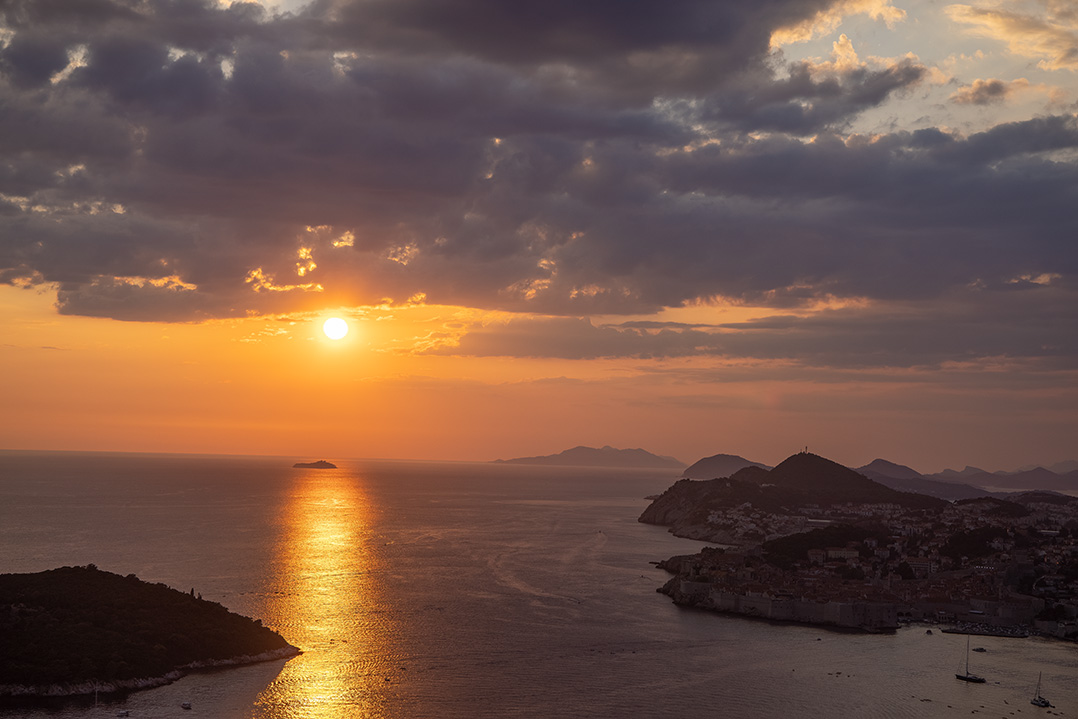
If you’re driving, expect a beautiful but slightly complex approach. From the north, the Adriatic Highway (D8) snakes along the coast – one of Europe’s great drives, but full of curves and viewpoints that tempt frequent stops. Traditionally, you’d cross briefly through Bosnia and Herzegovina at Neum, so passports need to be handy; now the Pelješac Bridge connects mainland Croatia directly with Dubrovnik County, allowing you to bypass that border if you choose and making self-drives much smoother. Once you’re close, remember that parking near the Old Town is limited and expensive; many travellers either ditch the car in Lapad or Gruž or pick accommodation with parking and walk or bus in.
🚙 Plan your Dubrovnik road trip: compare car rentals here
Dubrovnik is one of those places that can feel completely different depending on how you move through it. Rush the walls at midday, march Stradun in high heat, tick off everything at once – and it’s beautiful, but tiring. Give it a little space, and it softens: early light on empty staircases, a loop around the walls before the stone heats up, a swim on Lokrum or in Lapad when the streets start to shimmer, a slow cable car ride to watch the city turn golden, a simple seafood dinner somewhere you can hear the waves.
If you remember anything from this guide, let it be this: pick a base that matches your rhythm, choose a handful of things that genuinely excite you, and let the rest of your time be made of small rituals – morning coffee, evening walks, one favourite swim spot you return to twice. Dubrovnik doesn’t ask you to conquer it; it rewards you for travelling at its pace. Between stone and sea, there’s more than enough room to build a version of the city that feels like yours.