Plan your trip with our Croatia Travel Guide 2026 — best places to visit, regions, itineraries, transport tips, safety advice and practical travel insights.
Croatia travel guide 2026 begins with a feeling that stays with you long after you’ve left. Maybe it’s the shimmer of the Adriatic at sunset, the harmony of ancient stone towns and modern coastal life, or the simple pleasure of a slow coffee on a sunlit square. This is a country where 1,200 islands drift along a turquoise coast, waterfalls spill through deep forests, and history sits so close you can feel it beneath your feet.
Table of Contents
Across the country, landscapes shift quickly and beautifully — from the terracotta rooftops of Dubrovnik to the Roman heart of Split, the emerald lakes of Plitvice, the vineyards of Istria, and the gentle continental charm of Zagreb. Each region carries its own rhythm, traditions and flavours, yet all share the same welcoming spirit that draws travellers back again and again.
What makes Croatia truly unique is the blend of Mediterranean ease, Central European culture and timeless natural beauty. One moment you’re wandering medieval alleys scented with lavender; the next, you’re swimming in a quiet cove, tasting local olive oil, or hiking above canyons carved over centuries. It’s this harmony of sea, culture, food, and nature that continues to captivate visitors — whether they come for beaches, heritage, sailing, adventure or slow travel.
This guide is written for first-time visitors, curious travellers planning their return, and anyone preparing a Croatia trip in 2026, when travel infrastructure, ferry connections, sustainable tourism initiatives and new experiences make exploring easier than ever. You’ll find clear, practical advice grounded in local knowledge, alongside inspiration, insider tips and regional insights that help you plan a journey that feels both effortless and deeply connected to the place.
Planning Your Trip to Croatia (What to Know Before You Go)
Planning a trip to Croatia is simpler than many travellers expect — but understanding a few key details will help you design a journey that flows beautifully, matches your travel style, and avoids the most common first-timer mistakes. Croatia is a country where distances look short on the map, but islands, mountain ranges, ferry routes and historic towns each have their own rhythm, so a little preparation makes the experience far more enjoyable.
This chapter offers a clear foundation for planning: what to expect, how regions differ, what’s new in 2026, and which apps truly make travel easier. Whether you’re dreaming of island hopping, exploring national parks, wandering old towns, or simply relaxing by the sea, this is where your Croatia trip begins.

🧭 Essential Things to Understand Before Visiting Croatia
🌍 More diverse than expected.
The coast feels Mediterranean, Zagreb and the north feel Central European, and the islands have their own rhythm — each region differs in pace, food and landscapes.
⛴️ Travel takes time — especially by sea.
Islands may look close, but ferry routes aren’t always direct and may run only 1–2 times daily. Plan routes before booking stays.
☀️ Summer is stunning — and busy.
July–August brings crowds to Dubrovnik, Split and Hvar. June and September offer the same beauty with more space.
🎟️ National parks need advance booking.
Plitvice and Krka use timed entry systems. In 2026, sustainability limits make pre-booking essential.
💧 Tap water is safe everywhere.
Croatia has excellent drinking water — refill freely and skip bottled plastic.
🗣️ English is widely spoken.
Especially in cities, coastal towns and tourist areas — communication is easy.
🚗 Roads are excellent, but tolls apply.
Motorways are fast and modern; the Adriatic Highway is slower — and far more scenic.
Useful Apps for Travel, Ferries & Accommodation
The right apps make Croatia travel smooth and efficient. These are genuinely useful tools that travellers rely on:
Ferries & Transport
- Jadrolinija – Official ferry schedules + e-tickets
- Krilo / Kapetan Luka – Catamarans between islands and cities
- Busradar / GetByBus – Long-distance bus timetables
- Hrvatske Ceste – Road conditions & traffic updates
Navigation & Driving
- Google Maps / Waze – Driving & walking navigation
- Parking QR apps (Split, Dubrovnik, Zagreb) – For paid parking zones
Accommodation
- Booking.com – Most common for hotels & apartments
- Airbnb – Alternative for unique stays and villas
City & Sightseeing
- Zagreb Be There – City walks & creative routes
- Dubrovnik Pass – Entry + public transport
- Split Card – Discounts and museum access
Practical Travel
- Revolut / Wise – Paying in EUR, easy withdrawals
- Google Translate – Good for menus & signs
- MojTaxi / Cammeo / Eko Taxi – Reliable local taxi companies
Entry Requirements & Visa Rules
Croatia is part of the Schengen Area, which means border rules follow the same standards used across most of Europe. The entry process is straightforward for many travellers, but knowing which documents you need — and what to expect at the border — helps avoid surprises and ensures a smooth start to your trip.
This section covers everything: visa exemptions, Schengen rules, passport validity, tourist taxes, and practical notes for those bringing pets, medication or drones into the country.
✈️ Quick Entry Requirements for Croatia (2026)
- Schengen Zone: Croatia follows standard Schengen entry rules.
- Visa-free stays (most countries): Up to 90 days within a 180-day period.
- Passport validity: Must be issued within the last 10 years and valid 3+ months beyond departure.
- Tourist tax: Small nightly fee usually included in accommodation price.
- Border control: ID check for non-EU arrivals; smooth within Schengen countries.
- Pets & medication: Bring EU pet passport or veterinary certificate; keep medication in original packaging.
- Drones: Registration may be required; restrictions apply in parks & historic areas.
Visa-Free Travel (EU/Schengen Rules)
Most international travellers can enter Croatia visa-free for short stays:
- EU/EEA and Swiss citizens may enter freely with a valid national ID card or passport.
- Citizens of the UK, USA, Canada, Australia, New Zealand and most non-EU European countries may enter visa-free for up to 90 days within a 180-day period under Schengen rules.
- The stay counts cumulatively across all Schengen countries — not just Croatia.
Travellers who fall under the visa-free regime do not need to apply in advance, attend appointments or present a return ticket on arrival, though proof of onward travel may sometimes be requested.
Schengen Visa Requirements
If your nationality requires a Schengen short-stay visa (Type C), this visa allows:
- Tourism, family visits or business travel
- A stay of up to 90 days within 180 days
- Movement across all Schengen countries, including Croatia
Key points:
- Applications must be submitted at the Croatian embassy/consulate or the designated visa centre in your country.
- You must provide accommodation details, financial proof, travel insurance, and your planned itinerary.
- Processing times vary but typically range from 15–45 days, so apply early, especially for summer travel.
Travellers already holding a valid Schengen visa issued by any Schengen state may enter Croatia without additional paperwork.
Passport Validity & Required Documents
For non-EU travellers, your passport must:
- Be valid for at least 3 months beyond your planned departure, and
- Be issued within the last 10 years
Recommended additional documents (rarely requested but good to have):
- Proof of accommodation or return ticket
- Travel insurance covering your stay
- Sufficient funds for the trip
EU/EEA citizens may enter using a national ID card with no passport validity requirements.
Border Checks – What to Expect
While Croatia is in the Schengen Zone, airports and external borders still perform identity checks for non-EU citizens.
At airports or land borders, expect to:
- Present your passport (and visa if required)
- Answer basic travel questions (accommodation, length of stay)
- Have luggage screened as usual
Travelling between Croatia and other Schengen countries typically involves no border control, although spot checks can occur.
Ferry passengers from Italy may undergo passport control on both sides.
Travelling with Pets, Medication & Drones
Pets
- An EU pet passport is required for dogs, cats and ferrets travelling within the EU.
- Non-EU travellers need proof of microchip, rabies vaccination, and often a veterinary health certificate.
Medication
- Personal medication is allowed, but keep it in its original packaging.
- Bring prescriptions or a doctor’s note for any controlled substances.
Drones
- Drones must follow Croatia’s CCAA aviation rules.
- Registration may be required depending on drone weight and usage.
- Flying over crowds, national parks and historic cores is restricted unless special permits are granted.
Understanding Croatia’s Diversity
Need to know: Croatia offers more variety than most countries three times its size. Each region has its own landscape, food traditions and climate — meaning your experience can change completely with just a few hours of travel.
Croatia’s beauty lies in its contrasts. Although compact on the map, it stretches across three major cultural and geographic worlds — Central Europe, the Mediterranean and the Balkans — blending them into one of the most varied landscapes in Europe. To understand Croatia is to understand this diversity: the quiet green hills of the north beside the sun-scorched stone of the south, medieval coastal towns beside Baroque inland cities, and more than a thousand islands scattered across one of the world’s most dazzling seas.
Local Insight: Many travellers focus only on the coast, but Croatia’s inland regions offer some of the country’s most authentic experiences—vineyards in Zagorje, river life in Slavonia, and cool forest escapes in Lika and Gorski kotar. Visiting even one inland area makes your trip feel deeper and more balanced.

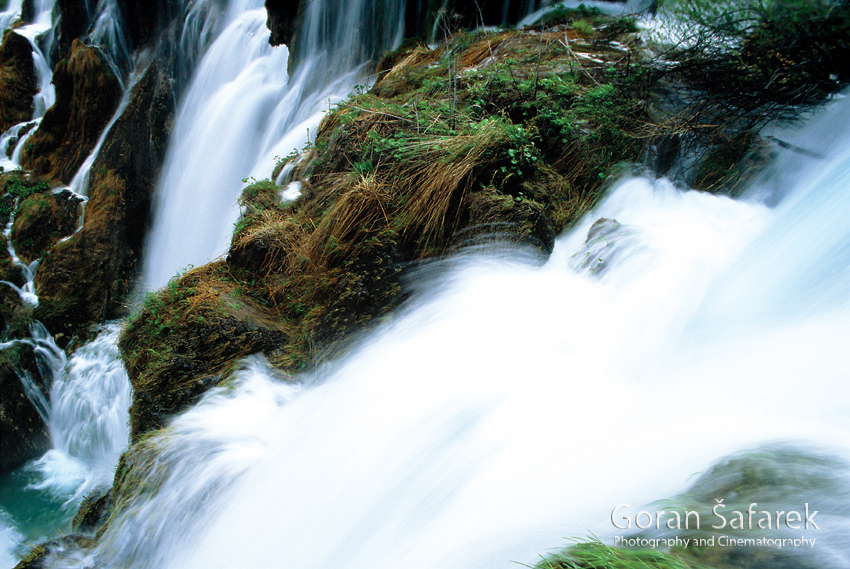
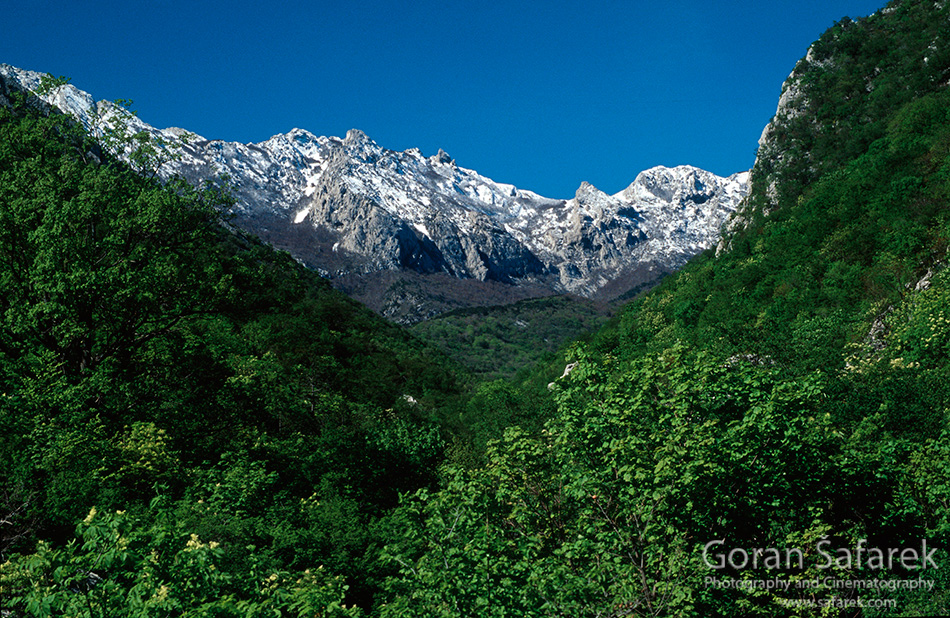
The country forms a long, elegant crescent shaped by history and nature. In the north and east lie broad river plains, in the centre a rugged belt of the Dinaric Alps carved into deep forests and limestone cliffs, and along the coast a chain of 1,200 islands, coves and peninsulas touched by wind, salt and sun. Each region carries its own culture, food traditions, landscapes and pace of life — which is why travelling through Croatia often feels like visiting several countries in one journey. Explore Croatia’s regions in more depth

🌍 Main Geographic Regions of Croatia
From fertile river plains to wild karst mountains and island-dotted seas, Croatia’s regions each offer a different flavour of the country.
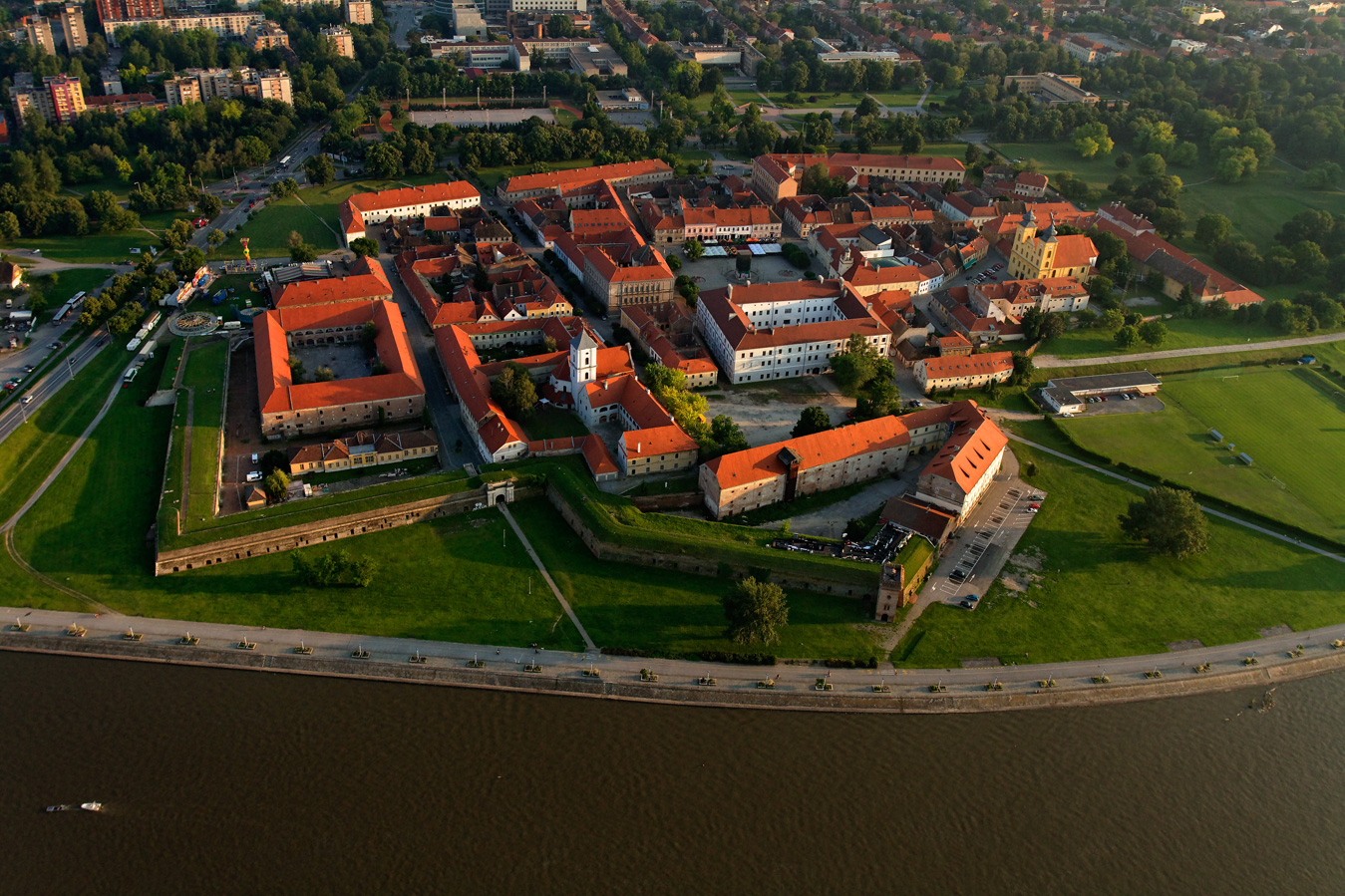
Slavonia & Baranja (Pannonian Croatia)
Golden fields, wine-growing hills and broad rivers – a slow, fertile landscape of vineyards, Baroque towns and traditional villages.

Zagorje & Central Croatia
Rolling green landscapes, storybook castles and thermal springs – peaceful countryside just a short drive from Zagreb.
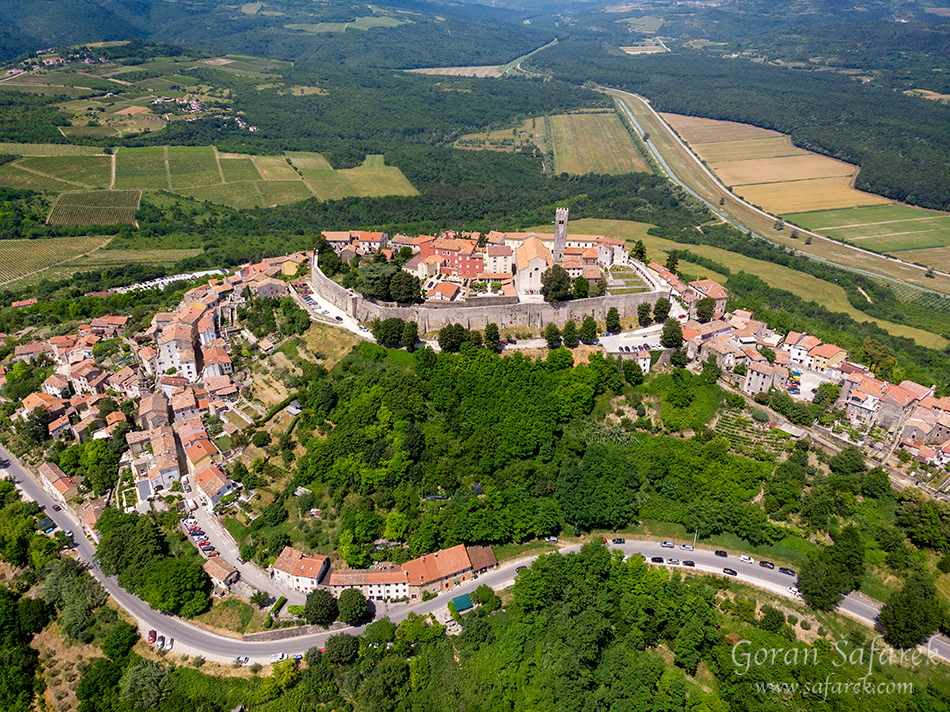
Istria
An Italian-influenced peninsula of hilltop towns, olive groves, truffles and a rugged coastline dotted with charming stone towns.
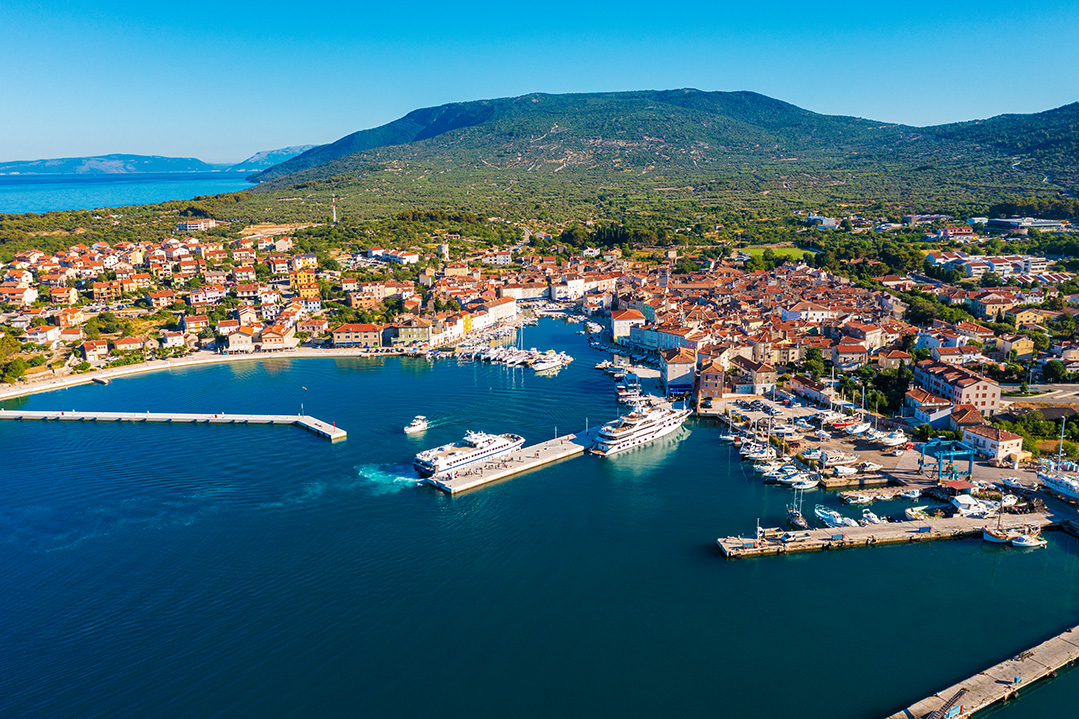
Kvarner
Where islands and mountains meet the sea – coastal towns, island harbours and steep green slopes rising straight above the Adriatic.
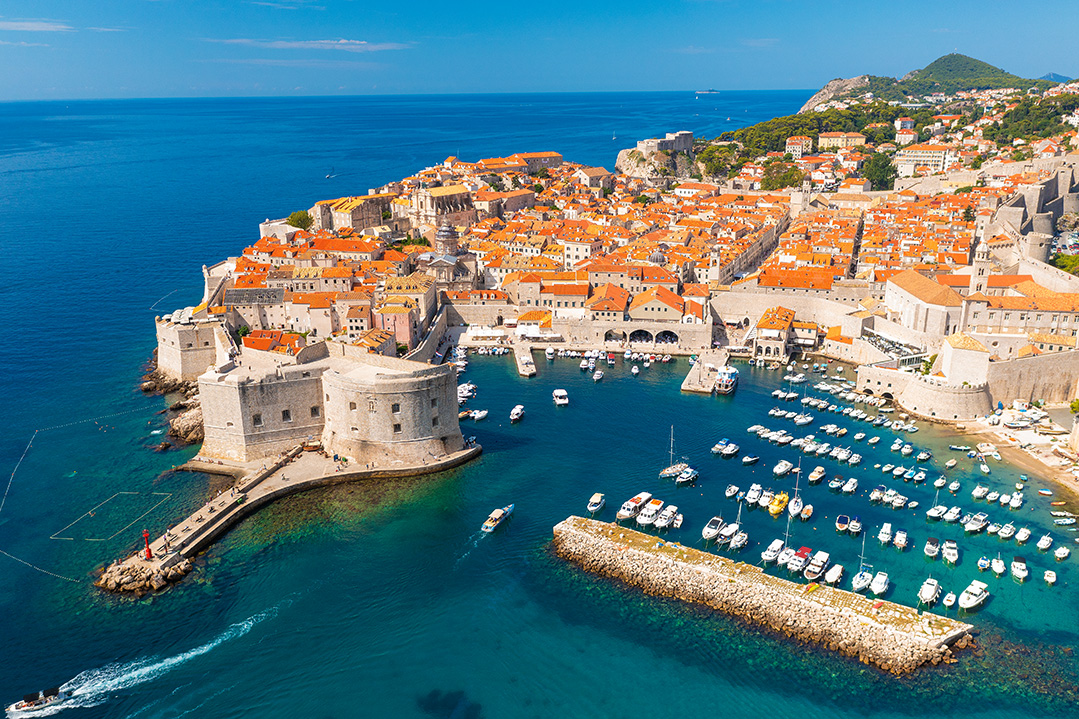
Northern, Central & Southern Dalmatia
Beaches, UNESCO old towns, karst rivers and iconic islands – the sun-drenched heart of Croatia’s Adriatic coast.
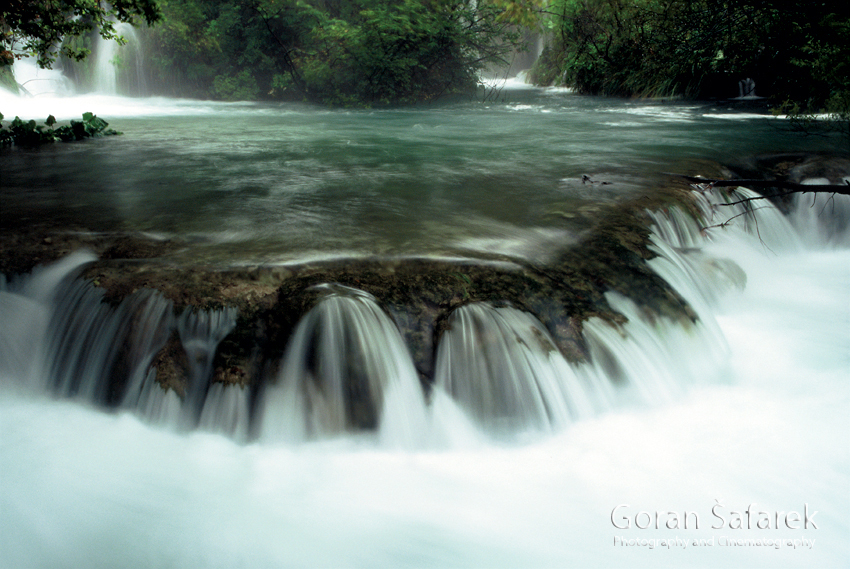
Lika & Gorski Kotar
Deep forests, bears and wolves, cool summers and snowy winters – a wild, mountainous escape of peaks, lakes and quiet villages.
Coast vs. Inland – Different Cultures, Foods & Landscapes
Croatia’s coast and inland feel like two complementary worlds:
The Coast (Istria, Kvarner & Dalmatia)
- Mediterranean climate
- Seafood, olive oil, wine, citrus, herbs
- Venetian and Roman heritage
- Island life, beaches, coves, sailing culture
- Summer festivals & seaside promenades
The Inland (Slavonia, Baranja, Zagorje, Central Croatia)
- Continental climate — warm summers, snowy winters
- Hearty cuisine: stews, pastries, freshwater fish, paprika
- Baroque towns, castles, riverside life
- Vineyards, forests, rolling hills
- Calm, traditional rhythms and agricultural landscapes
This contrast is one of Croatia’s greatest strengths for travellers: you can swim in the Adriatic in the morning and sip wine among green hills in the afternoon.
Islands – Dalmatia, Kvarner & Istria
- Dalmatian Islands: Hvar, Brač, Korčula, Vis, Mljet — sun-soaked, historic, diverse
- Kvarner Islands: Krk, Cres, Lošinj, Rab — family-friendly, easy to reach, peaceful
- Istrian Islands: Brijuni — national park, history, wildlife
Each island group offers its own character:
Dalmatia is vibrant and historic,
Kvarner is quiet and green,
Istria is elegant, cultural and nature-focused.
Together, they form over 1,200 islands, islets and reefs — more than almost any country in Europe.
🏝️ Island Highlights
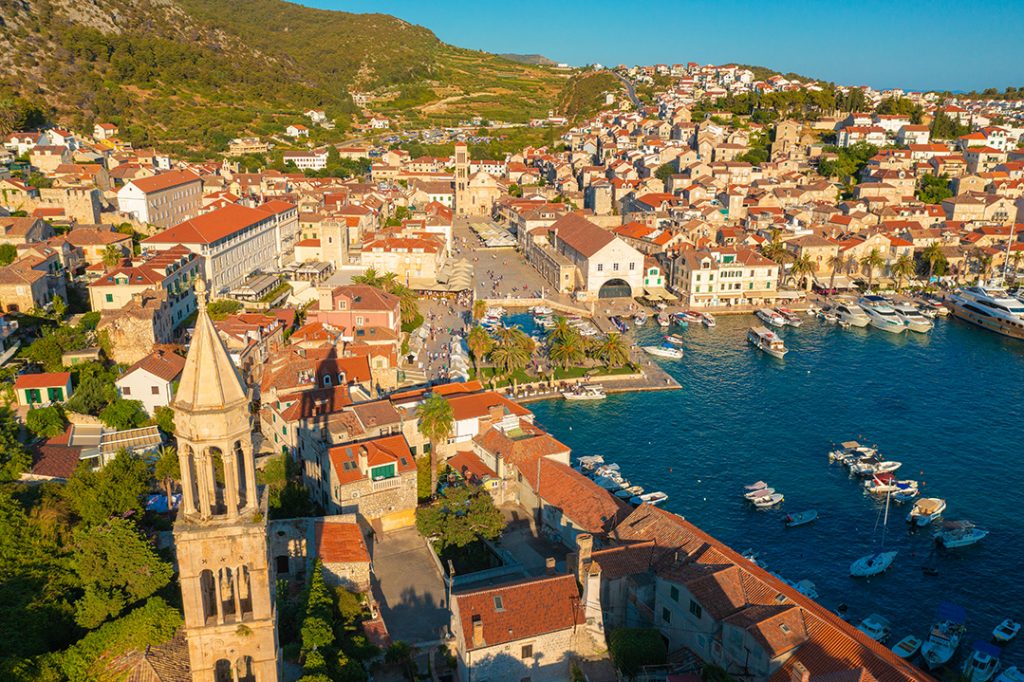
Hvar
Sunny, glamorous, but filled with quiet bays if you know where to look.

Korčula
Stone town charm, great wines and pine-scented coves that feel timeless.

Brač
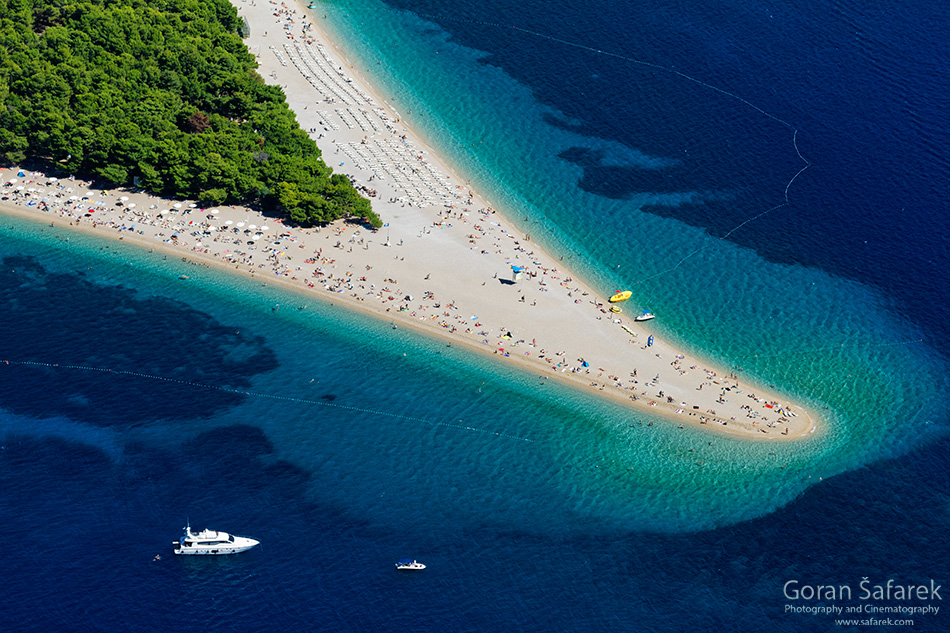
Home to Zlatni rat beach, coastal villages and gorgeous hikes above the sea.

Vis
Remote, cinematic and perfect for slow travellers and hidden beaches.
Mljet
Green, gentle and soulful, with a national park wrapped around salty lakes.
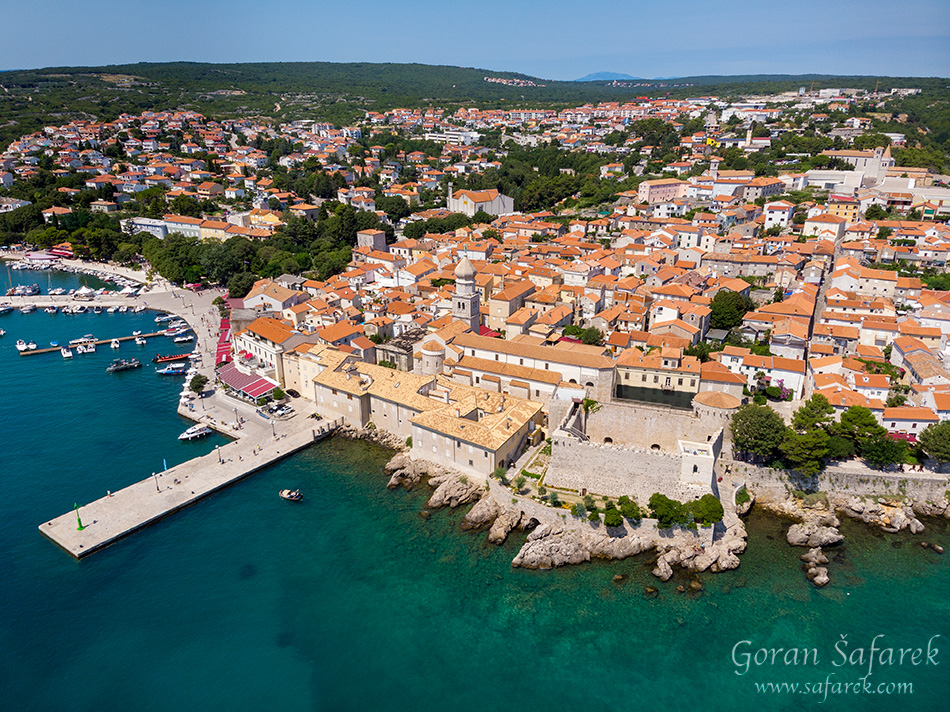
Cres & Lošinj
Wilder northern islands with quiet coves, dolphins and scenic hiking trails.
Mountains & Rivers – Dinaric Alps, Karst & Waterfalls
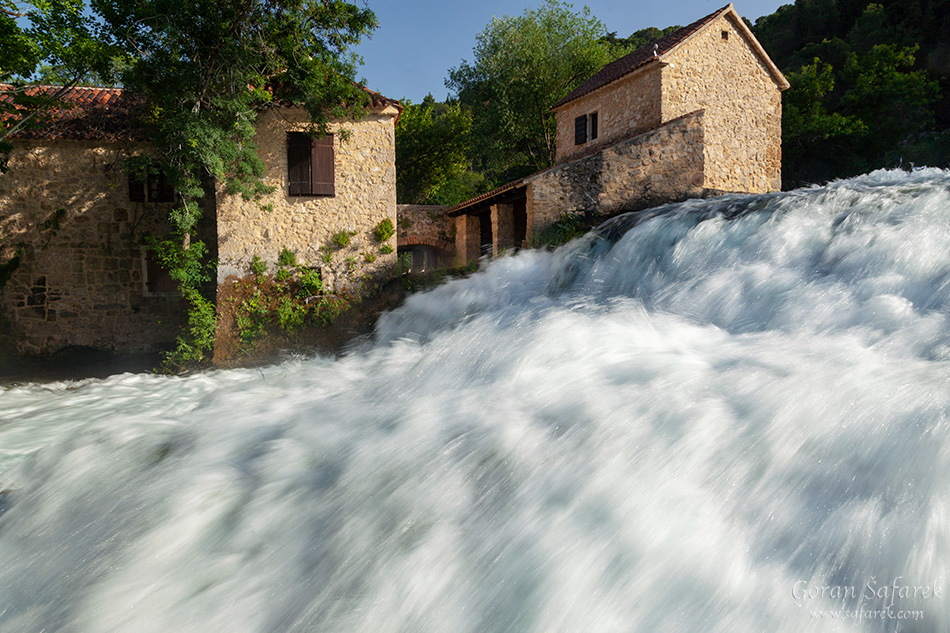
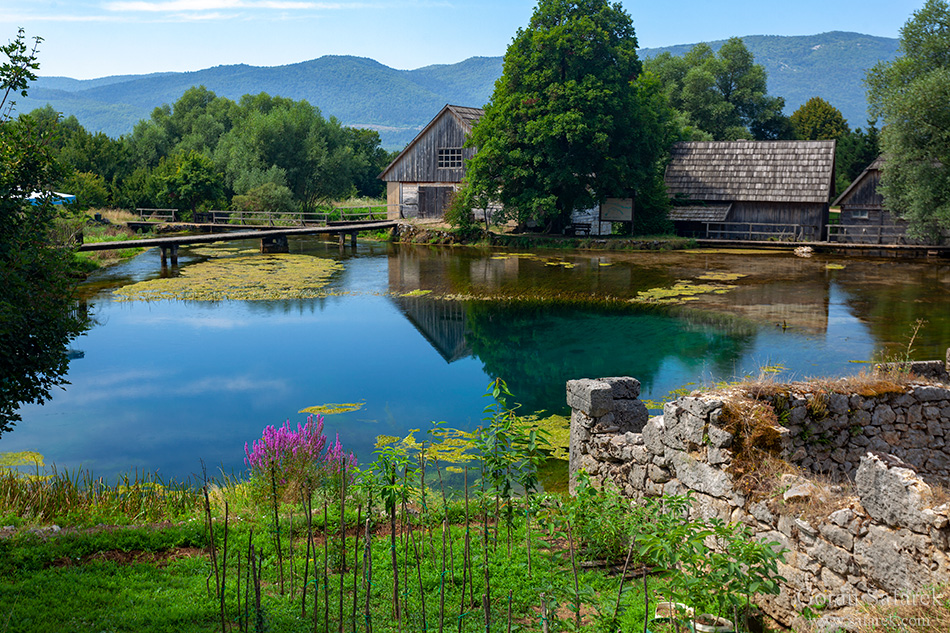
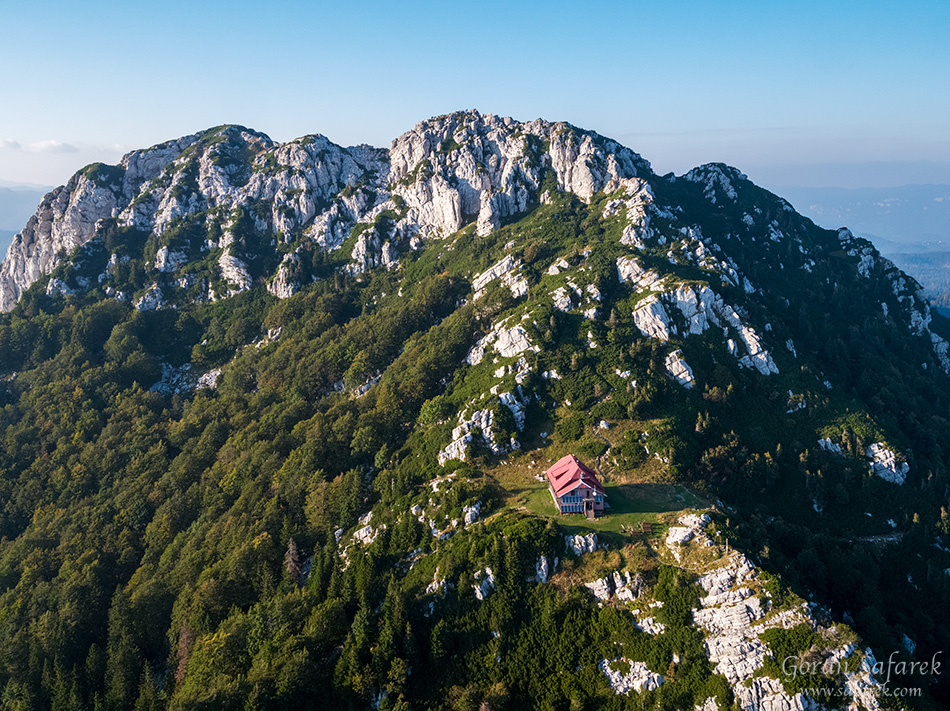
Croatia’s interior is dominated by the Dinaric Alps, a rugged limestone mountain system stretching along the entire coast. This karst landscape creates:
- Deep forests in Gorski Kotar
- Turquoise rivers like Mrežnica, Zrmanja and Krka
- Dramatic canyons and cliffs
- Cold springs and underwater caves
- The waterfall systems of Plitvice Lakes and Krka National Park
These mountain and river regions offer cooler temperatures in summer, stunning hiking opportunities, wildlife encounters and some of Croatia’s most untouched nature.
⭐ We Recommend · Our Quiet Secret
Karlovac Region – Croatia’s Natural Bridge
The Karlovac region is a gentle transition between two Croatias — the flat, green plains of the north and the wild, rocky landscapes of the south. Sitting quietly along the main route from Zagreb to the Adriatic coast, it’s a place many travellers pass through, but few truly explore.
This region is defined by water and nature: crystal-clear rivers like Mrežnica, Korana, Dobra and Kupa (and countless smaller ones), peaceful forests, castles hidden among hills, and the charming town of Karlovac — known as the City on Four Rivers. Add nearby mountains like Klek, and you have one of Croatia’s most rewarding slow-travel detours.


Why stop here? It’s perfectly placed between Zagreb and the coast, ideal for breaking up the drive, swimming in rivers instead of the sea, and seeing a side of Croatia that still feels local, calm and deeply connected to nature.
Safety in Croatia
Croatia is consistently ranked as one of the safest countries in Europe — a calm, welcoming destination where travellers feel comfortable from the moment they arrive. Crime rates are low, public spaces are well-lit and lively, and both coastal towns and inland regions carry a relaxed, friendly atmosphere.
Whether you’re exploring old towns at night, hiking in national parks or travelling between islands, Croatia remains a destination where safety rarely needs to be at the forefront of your mind.
👉 Read more about safety in Croatia
Quick Safety Overview (2026)
- Croatia ranks among the safest countries in Europe with very low crime.
- Solo female travel is extremely comfortable across cities, islands and small towns.
- Tap water is safe to drink everywhere, including islands and national parks.
- The Adriatic is calm and clear — watch for sea urchins and slippery rocks.
- Roads are excellent, though coastal and mountain routes need extra caution.
- National parks are very safe — wildlife encounters are rare.
- Scams are minimal; issues mostly involve taxis or unclear restaurant pricing.
Overall Safety
Croatia enjoys exceptionally low levels of violent crime and minimal petty theft compared to other popular European destinations.
- Street safety is excellent, even after dark
- Tourist areas like Split, Dubrovnik and Rovinj remain peaceful year-round
- Locals are helpful without being intrusive
- Public transport, ferries and long-distance buses are safe and reliable
The most common risks involve sun exposure, slippery rocks at the coast, or summer crowds, rather than crime.

Solo & Female Travel Safety
Croatia is widely considered one of the best solo female travel destinations in Europe, thanks to:
- Safe, walkable cities
- Clear transport systems
- Respectful social culture
- Low levels of harassment
- Reliable emergency services
In summer, coastal towns stay active late into the night, with families, couples and locals strolling promenades until midnight.
Standard precautions still apply in crowded nightlife zones (Hvar Town, Split Riva, Zrće Beach), but issues are rare.
Road Safety
Croatia’s road network is excellent, especially the A1 motorway connecting Zagreb to Dalmatia. However, there are specific things to keep in mind:
🚗 Highways
- Modern, fast, well-maintained
- Toll system applies (payment with card or cash)
🚗 Coastal Roads
- Stunning but winding
- Expect slower driving due to viewpoints, cyclists and curves
🚗 Mountain Regions (Lika, Gorski Kotar, Velebit)
- Roads can be narrow
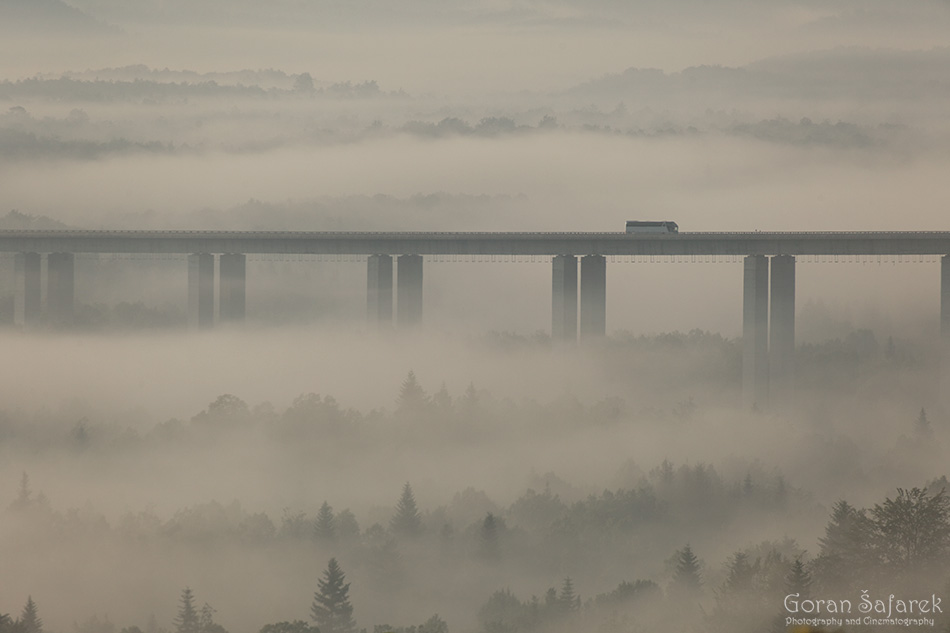
- Fog and wildlife crossings are possible at dawn/dusk
- Winter conditions apply from November to March
Always check ferry schedules if your route involves islands — missing the last ferry means waiting until morning.
Swimming & Sea Safety
The Adriatic is generally calm, clear and safe, making Croatia one of the easiest Mediterranean countries for swimming. Still, keep in mind:
- Many beaches are rocky → water shoes recommended
- Sea urchins live in clean water → wear footwear on stone beaches
- Watch slippery rocks around coves and cliffs
- Swim inside marked areas; boats can move quickly outside buoys
- Strong “bura” wind days (mainly in northern Dalmatia) can create sudden waves
Lifeguards are present in major resort areas, but not on quieter beaches.
Nature & Wildlife Safety
Croatia’s national parks are safe, well-marked and visitor-friendly. The main considerations:
🥾 Trails
- Karst terrain can be uneven → proper hiking shoes recommended
- Plitvice & Krka wooden walkways can be slippery after rain
- Stay on marked trails to protect fragile nature
🐻 Wildlife
- Bears, wolves and lynx exist in Lika, Velebit and Gorski Kotar
- They avoid humans — sightings are extremely rare
- Never leave food out while camping
- Snakes exist in rocky areas, but bites are extremely uncommon
Read more about (extremely) rare dangers in nature
Common Scams (Very Few)
Croatia is not known for tourist scams, but small annoyances do exist:
- Overpriced taxis at airports → use official taxi stands or apps
- Restaurant “fish by weight” prices → ask for the total price before ordering
- Parking fines in cities → always pay through machines/apps
- Fake accommodation hosts (rare) → book through verified platforms
Compared to other Mediterranean destinations, these issues are minimal. Avoid the most common scams in Croatia — read more
👉 Read more about how to get around Croatia
Getting into Croatia
Major Airports
Croatia has several international airports, with seasonal expansions in spring–autumn:
- Zagreb (ZAG): the main year-round hub; best for continental Croatia, Plitvice and long-distance international connections
- Split (SPU): busiest summer airport; gateway to Dalmatian islands (Hvar, Brač, Vis) and Split Riviera
- Dubrovnik (DBV): ideal for Dubrovnik, Korčula and southern Dalmatia
- Zadar (ZAD): excellent for national parks (Plitvice, Paklenica, Krka) and northern Dalmatia
- Pula (PUY): perfect for Istria (Rovinj, Poreč, Motovun)
Low-cost airlines operate heavily in summer, while Zagreb remains the most reliable off-season entry.

Land Borders
As a Schengen member, Croatia’s borders with Slovenia and Hungary have no routine passport checks.
Border checks still apply at:
- Bosnia & Herzegovina (including Neum corridor)
- Serbia
- Montenegro
Crossings are generally fast, except during summer weekends and holidays when traffic increases.
Ferries from Italy
Several seasonal ferry routes connect Croatia and Italy, providing a scenic alternative to flying:
- Ancona ↔ Split (overnight ferries; year-round with Jadrolinija)
- Ancona ↔ Zadar (seasonal)
- Bari ↔ Dubrovnik (summer)
- Venice ↔ Istria (Poreč, Rovinj, Pula) (fast ferries, late spring to early autumn)
Tickets sell out in high season — booking ahead is essential for July–August.
Getting Around Croatia
Quick Transport Overview (2026)
- Renting a car is the easiest way to explore islands, small towns and national parks.
- Ferries & catamarans connect most islands, but routes are not always direct.
- Buses are reliable, affordable and cover almost every city and coastal town.
- Trains mainly serve inland Croatia — not ideal for the coast.
- Domestic flights are limited and rarely essential for travellers.
- Use the A1 Motorway for speed and the Adriatic Highway for stunning coastal views.
- In summer, always check ferry schedules and leave room for wind-related delays.
Renting a Car (Best Flexibility)
Renting a car is often the best way to explore Croatia, especially if you plan to visit multiple regions or national parks.
- Highways are modern and safe
- Routes are well-signed
- Tolls apply on major motorways (A1, A3, A6)
- Parking can be limited in old towns — opt for accommodations with parking
- Ferry rules: you pay for the car + each passenger separately
A car allows full freedom, especially for Istria, Dalmatia’s hinterland, island interiors and nature-heavy itineraries.

Ferries & Catamarans
Ferries are the heart of Croatian travel — especially in Dalmatia.
- Jadrolinija: main operator (car ferries + catamarans)
- Krilo / Kapetan Luka: fast passenger catamarans
- Car ferries are slower but reliable with fixed routes
- Catamarans are faster and ideal for island hopping
- Summer schedules expand dramatically; winter schedules are limited
Important:
Catamarans do not take cars, and not all islands are connected directly to each other.
Buses
Croatia’s bus network is extensive and efficient:
- Frequent routes between all major cities
- Comfortable modern fleets
- Affordable prices
- Essential for travellers without a car
Zagreb, Split, Zadar, Rijeka and Dubrovnik act as main hubs.
Trains
Croatian trains are slower than buses or cars, but useful for:
- Zagreb ↔ Split (scenic, overnight options in summer)
- Zagreb ↔ Rijeka / Osijek / Varaždin
Trains rarely connect coastal towns with each other — they are mostly inland routes.
Domestic Flights
Croatia has only a few domestic routes:
- Zagreb ↔ Dubrovnik
- Zagreb ↔ Split
- Zagreb ↔ Pula / Zadar (seasonal)
Flights are quick but often unnecessary; most travellers prefer buses, ferries or driving.
🚗 Adriatic Highway vs A1 Motorway
Choosing between speed and scenery? These two iconic Croatian roads offer very different travel experiences — and most travellers use both.
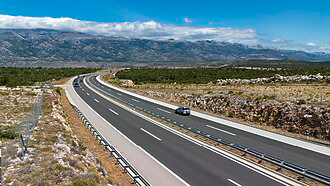
A1 Motorway (Zagreb ↔ Dalmatia)
- Fast, smooth and safe
- Best for long-distance travel
- Tolls apply
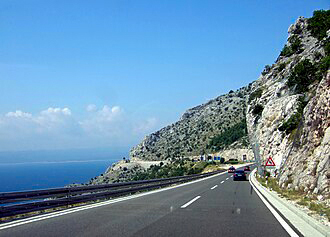
Adriatic Highway (D8)
- One of Europe’s most scenic coastal drives
- Slower, winding road with sea views
- Runs through small towns and bays
💡 Tip: take the motorway for speed, then switch to the Adriatic Highway for scenery.
Island Hopping Basics
⛴️ Ferry Insider Tips (Read This Before Island Hopping)
- Catamarans do not take cars — only foot passengers.
- Some islands are not directly connected to each other. You may need to return to Split or Zadar to continue your route.
- Ferry schedules change seasonally — July–August has the most departures, winter the fewest.
- Wind (bura or jugo) can affect catamarans more than ferries; always check your route the night before.
- Car ferries sell out in peak season — book ahead, especially on Saturdays.
- Always plan a buffer day when connecting ferries with flights.
- On popular lines (Split–Hvar / Split–Brač), arrive 30–60 minutes early to secure a good place in line.
Croatia’s islands are beautiful but require planning:
- Many islands connect only via Split or Zadar
- Some islands are linked to each other (e.g., Hvar ↔ Korčula), but not all
- Catamarans operate more frequently in the summer
- Car ferries are essential if you’re driving
Explore over 1,000 Adriatic islands in our in-depth guide
For smooth travel:
- Avoid tight same-day connections
- Always check return times
- Book popular summer routes early
Island hopping is simple once you understand the ferry system — but requires a little flexibility.

Best Regions & Bases by Type
Croatia offers island hideaways, lively coastal towns, wine regions and peaceful inland retreats. Use this guide to find the best base for your travel style.
Best Places for First-Timers
Top bases offering a perfect mix of beaches, history, day trips and easy logistics.
- Split – balanced, great ferries
- Dubrovnik – iconic and scenic
- Zadar – variety + national parks
- Rovinj – charming & romantic
Best for Island Hopping
Ideal if your adventure is focused on boats, beaches and multiple islands.
- Split – biggest ferry hub
- Hvar Town – stylish & well-connected
- Korčula Town – easy island transfers
- Zadar – northern islands
Best for Beaches
Croatia’s clearest water and most scenic beach towns.
- Makarska Riviera – turquoise beauty
- Brač (Bol) – Zlatni Rat
- Lošinj – wellness & coves
- Rab – sandy family beaches
Best for National Parks
Stay close to Croatia’s waterfalls, mountains and islands.
- Zadar – 4 parks nearby
- Šibenik – Krka & Kornati
- Slunj/Rastoke – near Plitvice
- Starigrad – Paklenica NP
Best for Wine & Food
For long lunches, vineyards and slow travel towns.
- Istria – truffles & wine roads
- Pelješac – Dingač wines, oysters
- Korčula – coastal vineyards
- Zagorje – farm stays & cuisine
Best for Couples & Luxury
Romantic towns, boutique stays and sunset views.
- Rovinj – elegant & artistic
- Hvar – stylish & lively
- Dubrovnik – cliffside hotels
- Lošinj – luxury wellness
Best for Families
Safe beaches, calm towns and family-friendly hotels.
- Krk – driveable & sandy beaches
- Brač – calm & kid-friendly
- Zadar/Nin – shallow lagoons
- Rovinj – easy walks & parks
Best for Budget Travellers
Affordable coastal cities and great inland value.
- Zadar – cheap flights & stays
- Šibenik – charming + affordable
- Osijek/Slavonia – inland value
- Split outskirts – budget apartments
Where to Stay in Croatia – Best Regions & Bases
Choosing the right base can completely shape your Croatia experience. Below is a clear guide to help you decide where to stay depending on your travel style, pace and plans. Whether you dream of waking up to Adriatic blue, sleeping in a hilltop town surrounded by vineyards, or spending quiet nights in forested mountains, Croatia makes it easy to find a stay that matches your travel style.
Best Regions & Bases by Type
Croatia offers island hideaways, lively coastal towns, wine regions and peaceful inland retreats. Use this guide to find the best base for your travel style.
Best Places for First-Timers
Top bases offering a perfect mix of beaches, history, day trips and easy logistics.
- Split – balanced, great ferries
- Dubrovnik – iconic and scenic
- Zadar – variety + national parks
- Rovinj – charming & romantic
Best for Island Hopping
Ideal if your adventure is focused on boats, beaches and multiple islands.
- Split – biggest ferry hub
- Hvar Town – stylish & well-connected
- Korčula Town – easy island transfers
- Zadar – northern islands
Best for Beaches
Croatia’s clearest water and most scenic beach towns.
- Makarska Riviera – turquoise beauty
- Brač (Bol) – Zlatni Rat
- Lošinj – wellness & coves
- Rab – sandy family beaches
Best for National Parks
Stay close to Croatia’s waterfalls, mountains and islands.
- Zadar – 4 parks nearby
- Šibenik – Krka & Kornati
- Slunj/Rastoke – near Plitvice
- Starigrad – Paklenica NP
Best for Wine & Food
For long lunches, vineyards and slow travel towns.
- Istria – truffles & wine roads
- Pelješac – Dingač wines, oysters
- Korčula – coastal vineyards
- Zagorje – farm stays & cuisine
Best for Couples & Luxury
Romantic towns, boutique stays and sunset views.
- Rovinj – elegant & artistic
- Hvar – stylish & lively
- Dubrovnik – cliffside hotels
- Lošinj – luxury wellness
Best for Families
Safe beaches, calm towns and family-friendly hotels.
- Krk – driveable & sandy beaches
- Brač – calm & kid-friendly
- Zadar/Nin – shallow lagoons
- Rovinj – easy walks & parks
Best for Budget Travellers
Affordable coastal cities and great inland value.
- Zadar – cheap flights & stays
- Šibenik – charming + affordable
- Osijek/Slavonia – inland value
- Split outskirts – budget apartments
Accommodation Types in Croatia
Croatia offers a wide range of places to stay, from simple seaside rooms to five-star design hotels, family-run apartments and forest campsites. Understanding the main options helps you choose the kind of stay that fits your budget, comfort level and travel style — whether you’re planning a short city break, a long island summer or a slow, off-season escape.
🛏️ Types of Accommodation in Croatia
From family-run apartments to boutique stone villas and beachfront hotels, Croatia has a stay for every travel style and budget.
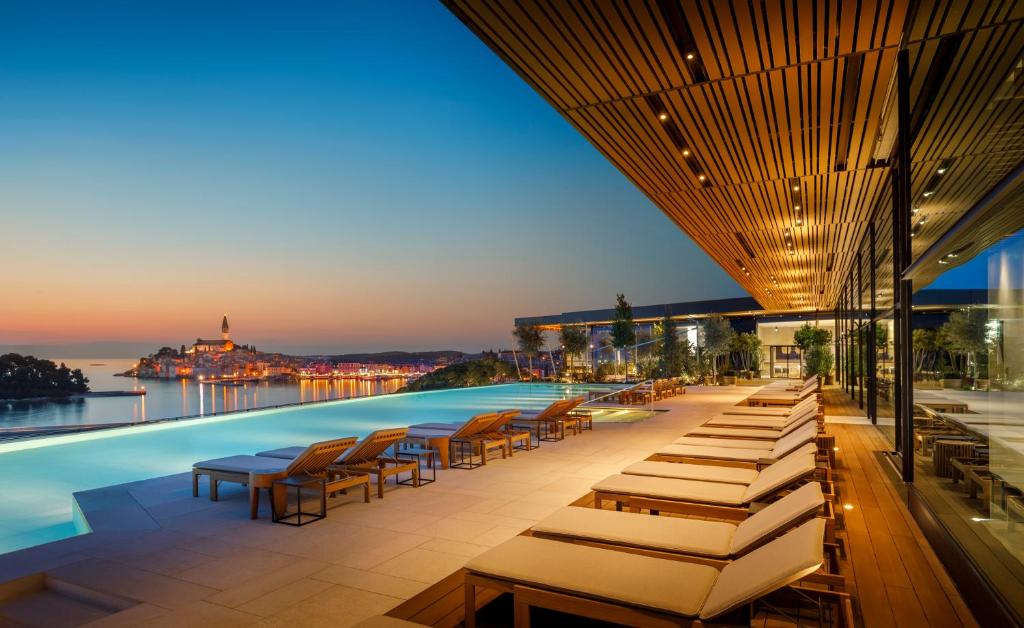
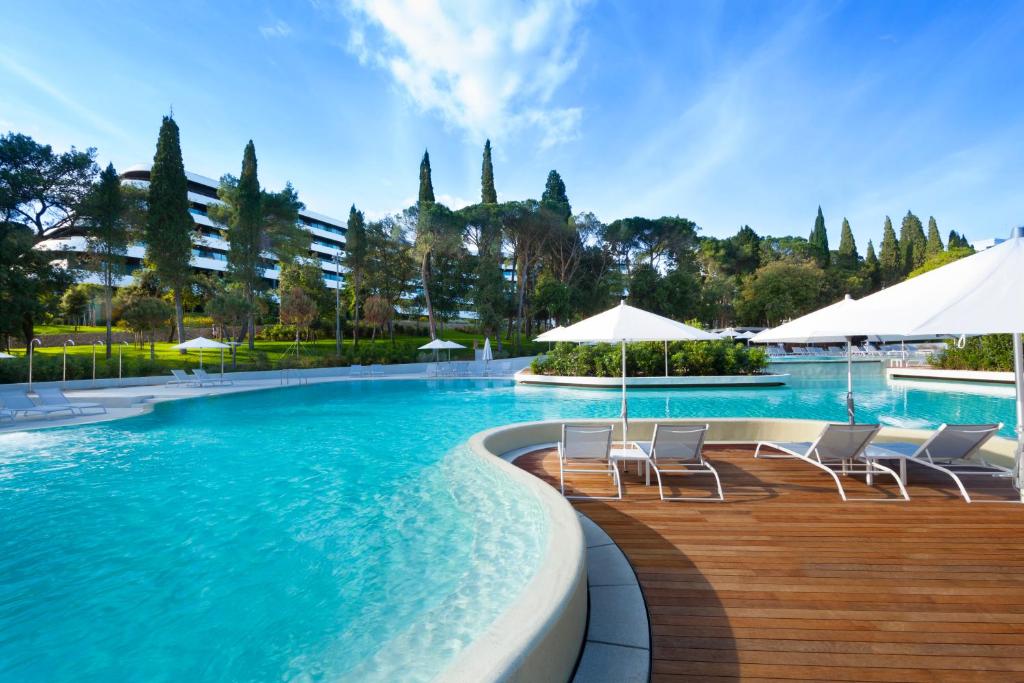
🏨 Hotels (3★–5★)
City hotels, seaside resorts and spa stays. Great if you want comfort, services and an easy “check-in and relax” experience.
🏡 Private Apartments
Family-run, often with balconies and sea views. Perfect for couples, families and longer stays.
🏝️ Villas & Holiday Homes
Stone houses and modern villas with pools. Ideal for groups, families and slow summer holidays.

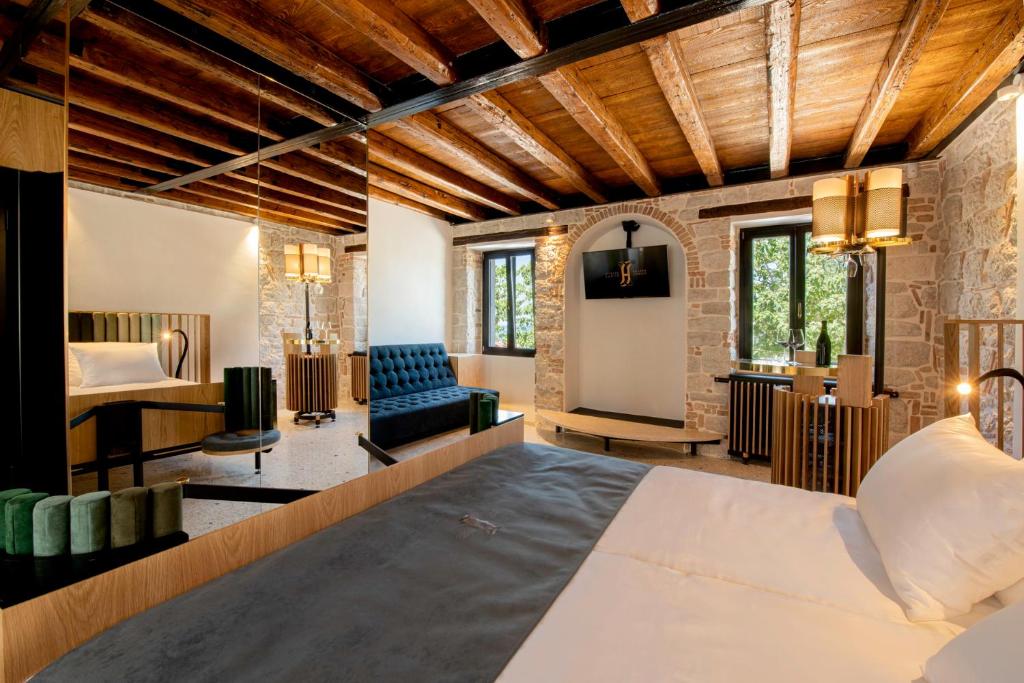
✨ Boutique Stays
Small design hotels full of character — ideal for romantic escapes and special occasions.
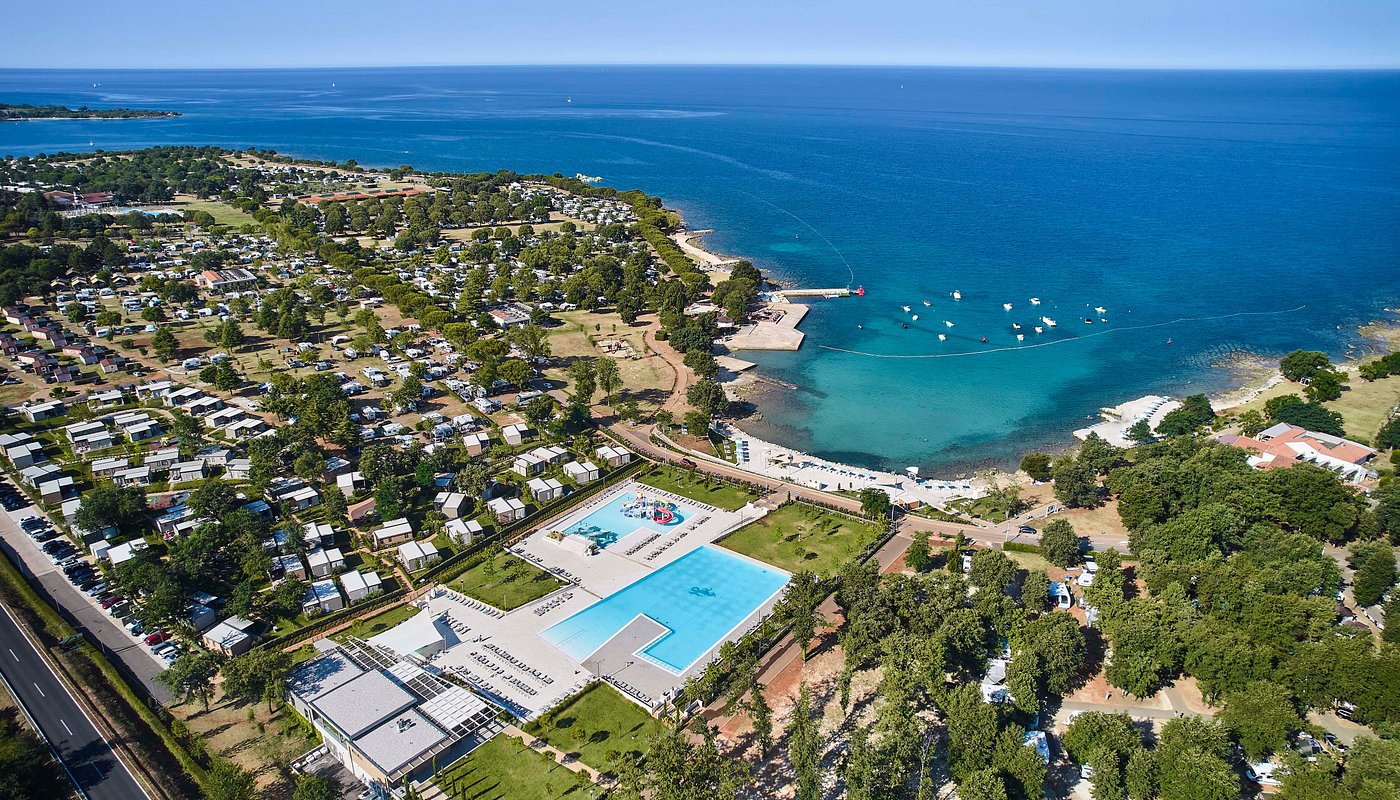
⛺ Camping & Glamping
Beachfront camps, mobile homes and glamping tents — a favourite in Istria and Kvarner.
Choosing Accommodation Based on Your Travel Style
- First-timers: Central hotels or boutique stays in Split, Dubrovnik, Zadar or Rovinj.
- Families: Apartments or mobile homes in campsites; villas for multi-generational trips.
- Couples: Boutique hotels, romantic stone apartments, design hotels with sea views.
- Budget travellers: Simple apartments, guesthouses, hostels in larger towns and cities.
- Slow travellers & digital nomads: Comfortable apartments with good Wi-Fi and walkable surroundings.
- Groups: Villas and holiday homes with shared spaces, pools and outdoor dining.
Hotels (3★–5★)
Hotels in Croatia range from classic city properties and beach resorts to small design hotels in historic buildings.
- 3★ hotels – simple, clean and practical; often older buildings with basic amenities
- 4★ hotels – the most common category; good comfort, breakfast included, often pools or wellness areas in coastal resorts
- 5★ hotels – luxury stays in Dubrovnik, Rovinj, Hvar, Lošinj and Zagreb, with high-end service, spas and sea or city-view rooms
Hotels work best if you prefer:
- Daily housekeeping and reception
- Breakfast included (often buffet style)
- On-site facilities like pools, bars, restaurants and wellness
They are usually more expensive than apartments, especially in peak summer, but offer a more classic “holiday” experience.
Private Apartments (Most Popular Choice)
Private apartments (often called “apartmani”) are the most common form of accommodation in Croatia and often the best value.
- Available in every coastal town, island and city
- Range from basic studios to modern, fully equipped flats
- Often run by local families — great for a more personal experience
- Kitchens or kitchenettes help you save money by cooking simple meals
Apartments are ideal for:
- Longer stays
- Families and groups
- Travellers who like more space and flexibility
- Those who prefer a “live like a local” feeling
In many seaside towns, apartments dominate the market — especially outside large hotels and resorts.
Villas & Holiday Homes
For privacy, space and scenic locations, villas and holiday homes are a fantastic option.
- Common in Istria, along the Dalmatian coast, and on larger islands
- Often include private pools, gardens, sea views and outdoor kitchens
- Ideal for groups of friends, extended families, or longer slow stays
Villas are best if you:
- Travel as a group and can share the cost
- Want a base to relax for a week or more
- Prefer cooking, barbecues and evenings on the terrace rather than going out every night
They book out early in July–August, especially those with pools and sea views.
Boutique Stays
Boutique hotels and guesthouses give Croatia a special charm, particularly in old towns and historic centres.
You’ll find them in:
- Rovinj, Split, Dubrovnik, Hvar, Korčula, Šibenik and Zagreb
- Renovated stone houses or historic buildings
- Unique interiors, small number of rooms, personal service
They are perfect for:
- Couples and design lovers
- Shorter stays in city or old town locations
- Travellers seeking character rather than big-resort facilities
Boutique stays often cost more than standard hotels, but the experience is usually more memorable.
Campsites & Glamping
Croatia has a long camping tradition, and many of its campsites are directly by the sea.
- Large, well-equipped campsites in Istria, Kvarner and parts of Dalmatia
- Facilities can include pools, restaurants, sports, kids’ clubs
- Glamping tents, mobile homes and tiny houses are now widely available
Choose camping or glamping if you:
- Enjoy being outdoors and close to nature
- Travel with kids who love space and freedom
- Want an affordable base near the sea in high season
- Prefer a relaxed, village-style holiday feeling
Some inland campsites near rivers and national parks are excellent for kayaking, hiking and cycling trips.
🗓️ When to Book & Seasonal Tips
🌞 Peak Season (July–August)
Book 3–7 months in advance.
Islands sell out first.
Incredible weather, highest prices.
🌿 Shoulder Season (May–June & Sept–Oct)
The sweet spot: warm sea, soft crowds.
Best prices and availability for villas & boutiques.
🌸 Spring (April) & 🍂 Late Autumn (November)
Perfect for Zagreb, Istria & Slavonia.
National parks at their most beautiful.
Much lower prices.
❄️ Winter (Dec–March)
Zagreb’s Advent magic.
Snowy mountains in Lika & Gorski kotar.
Quiet coast + great hotel deals.
Best of Croatia – Top Highlights
Croatia is a country of contrasts — sun-drenched islands and deep forests, ancient Roman palaces and medieval fortresses, turquoise rivers and quiet vineyards, lively coastal towns and peaceful national parks. Its beauty isn’t confined to one region or one season; it’s a mosaic of landscapes and cultures that feel both familiar and wonderfully unexpected.
This section brings together the very best of Croatia, from world-famous icons like Plitvice Lakes and Dubrovnik’s old walls, to quieter corners shaped by rivers, mountains, wine traditions and everyday coastal life. Whether you’re planning your first visit or returning to explore deeper, these are the places and experiences that define the soul of the country — and the ones travellers fall in love with again and again.
Natural Highlights
Croatia is a country where wilderness and the Adriatic meet in the most unexpected ways — emerald lakes, canyons carved into pale limestone, river systems that glow turquoise, and islands that feel timeless. These are the natural wonders that define Croatia’s landscape and belong on every traveler’s itinerary.
🌿 Natural Highlights
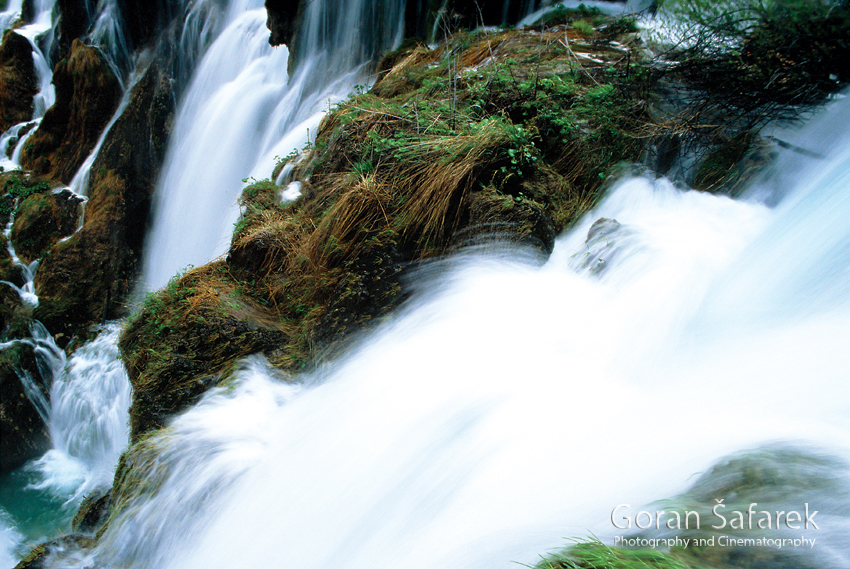
Plitvice Lakes National Park
A chain of turquoise lakes linked by waterfalls, framed by deep forests and wooden boardwalks. Dreamiest in spring and autumn.
Krka National Park
River canyons, waterfalls, tiny monasteries and viewpoints above blue-green water. Perfect day trip from Šibenik, Zadar or Split.
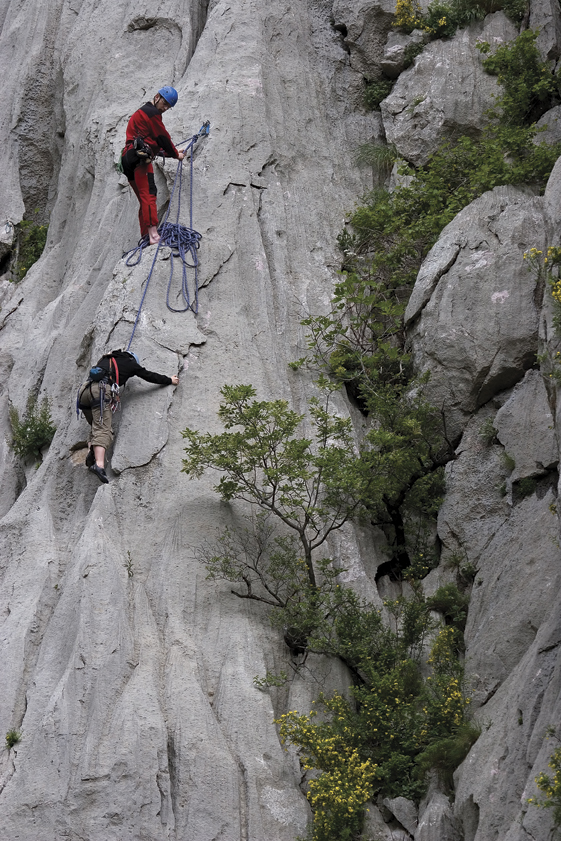
Paklenica National Park
A dramatic limestone canyon near the sea. Steep trails, towering cliffs and sweeping views for hikers and climbers.
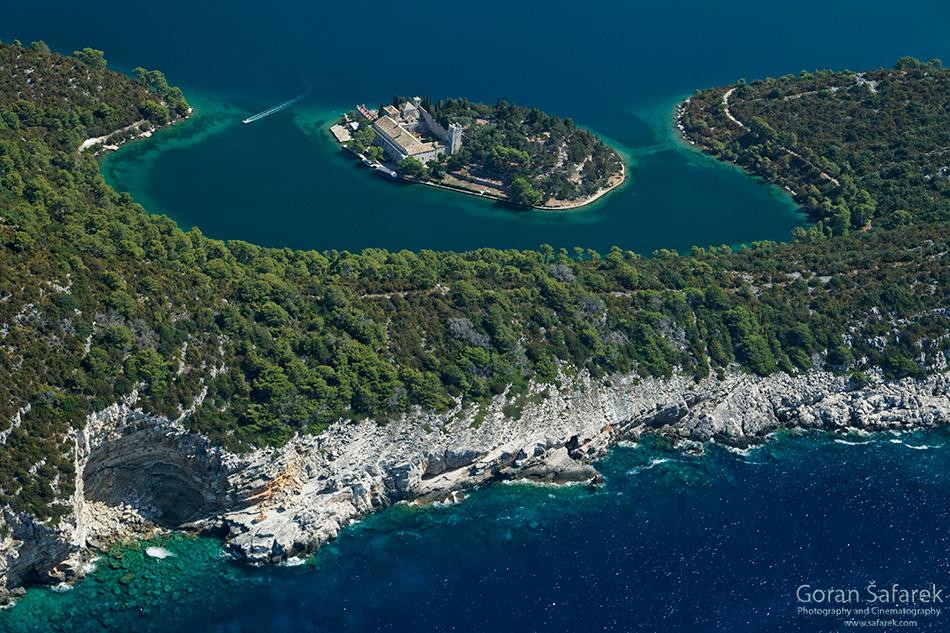
Mljet National Park
A quiet island national park with two saltwater lakes and a monastery island. Peaceful, green and wonderfully slow.
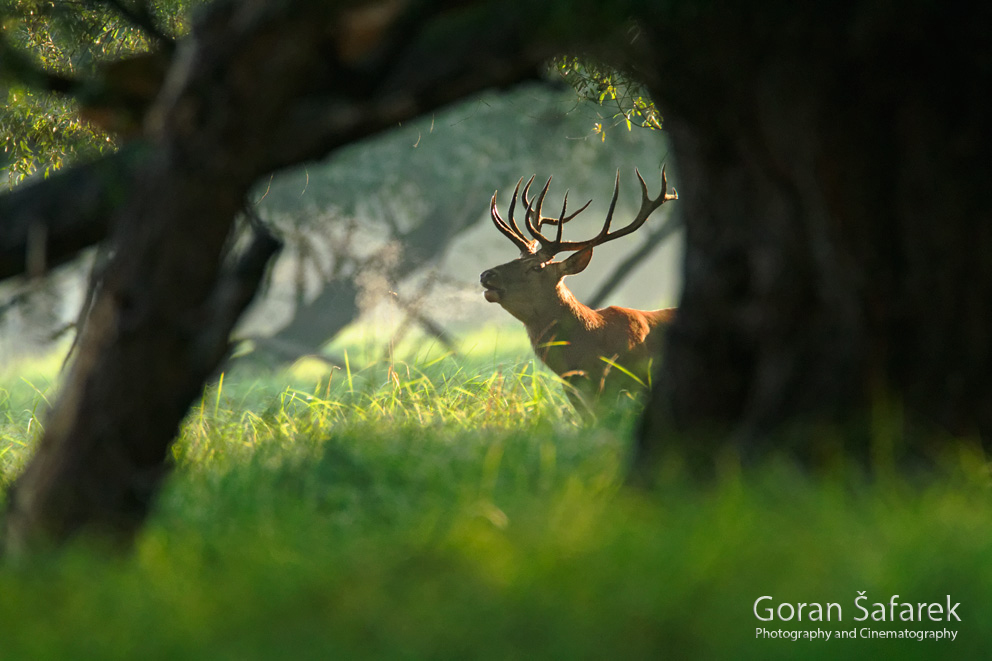
Kopački Rit
A flooded world of backwaters, reeds and birds in Slavonia. One of Europe’s most important wetlands.
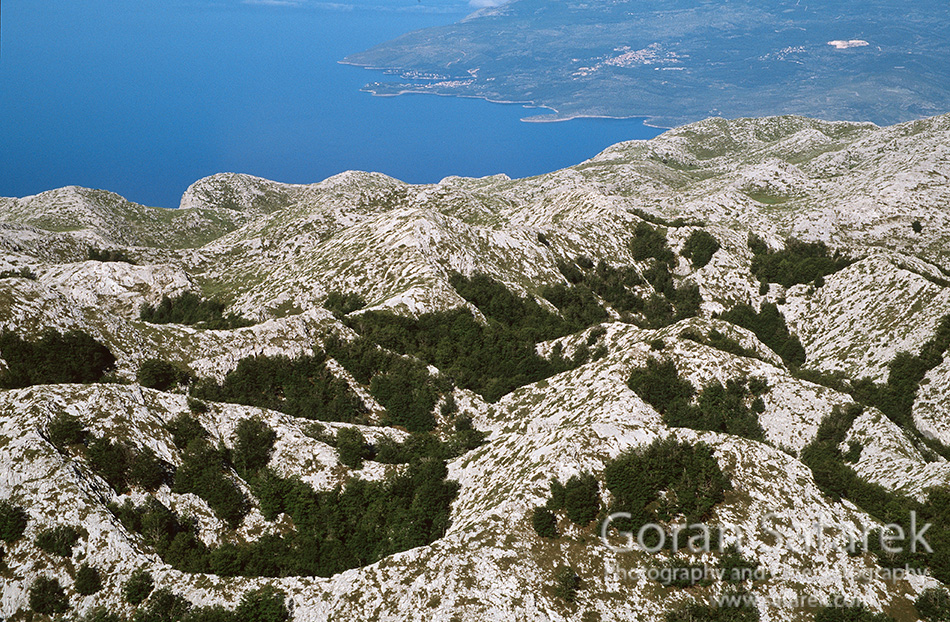
Biokovo
A glass lookout high above Makarska. On clear days, islands stretch below like stepping stones across the sea.
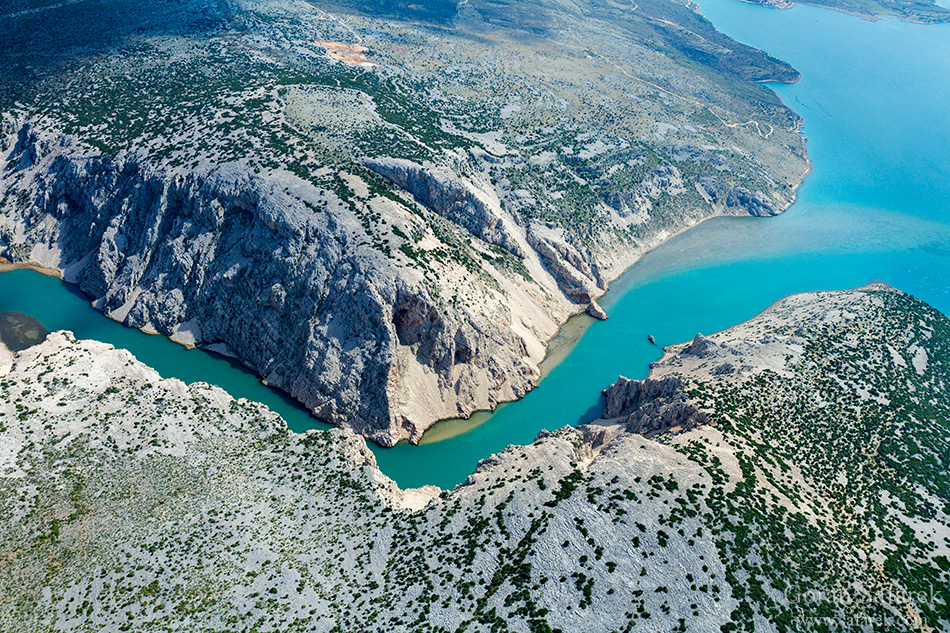
Canyons: Cetina, Zrmanja & Kamačnik
Cetina: emerald river with rafting & canyoning.
Zrmanja: wild canyon with epic viewpoints.
Kamačnik: gentle mossy gorge in Gorski Kotar.
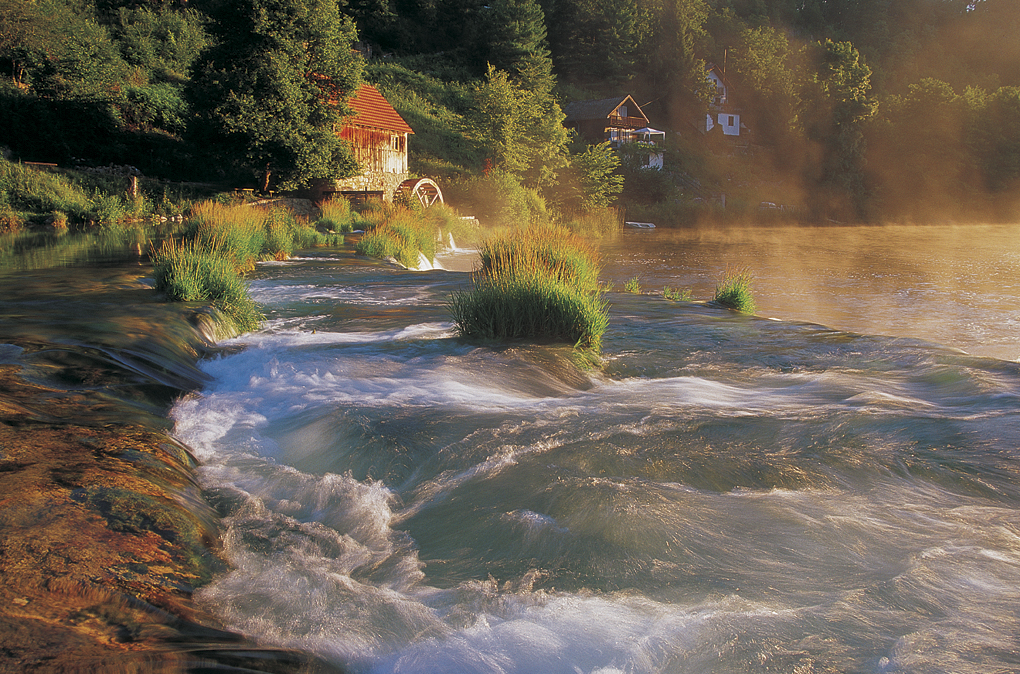
Rivers: Mrežnica, Krka & Kupa
Mrežnica: turquoise pools & small falls.
Krka: quiet upper course & karst springs.
Kupa: cool, clear, forest-lined border river.
🌿 National & Nature Parks in Croatia – A Protected Landscape Network
Croatia has one of the most diverse and well-protected natural landscapes in Europe, with a nationwide network of national parks and nature parks that preserve everything from waterfalls and karst canyons to islands, wetlands, forests and mountain ranges.
Discover Croatia’s most beautiful national and nature parks with our complete, insider-backed guide.
The country is home to 8 national parks and 12 nature parks, spread across the coast, islands and inland regions. Together, they form a connected mosaic of ecosystems shaped by water, limestone, forests and wildlife.
National parks protect Croatia’s most exceptional natural sites — places of outstanding beauty and ecological value. These include famous waterfall systems like Plitvice Lakes and Krka, island parks such as Mljet and Brijuni, dramatic mountain areas like Paklenica and Northern Velebit, as well as wetlands like Kopački Rit, one of Europe’s most important bird habitats.
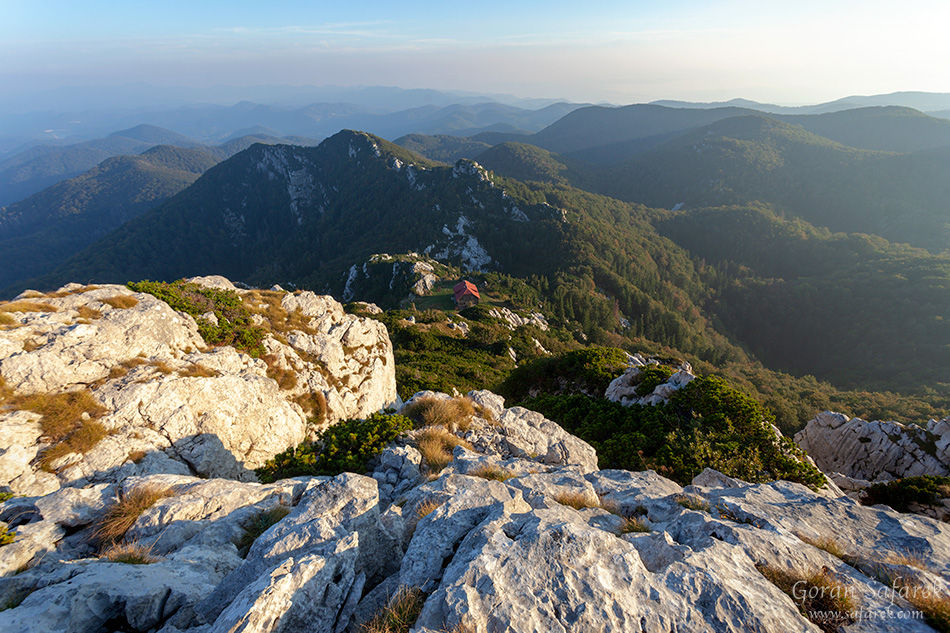
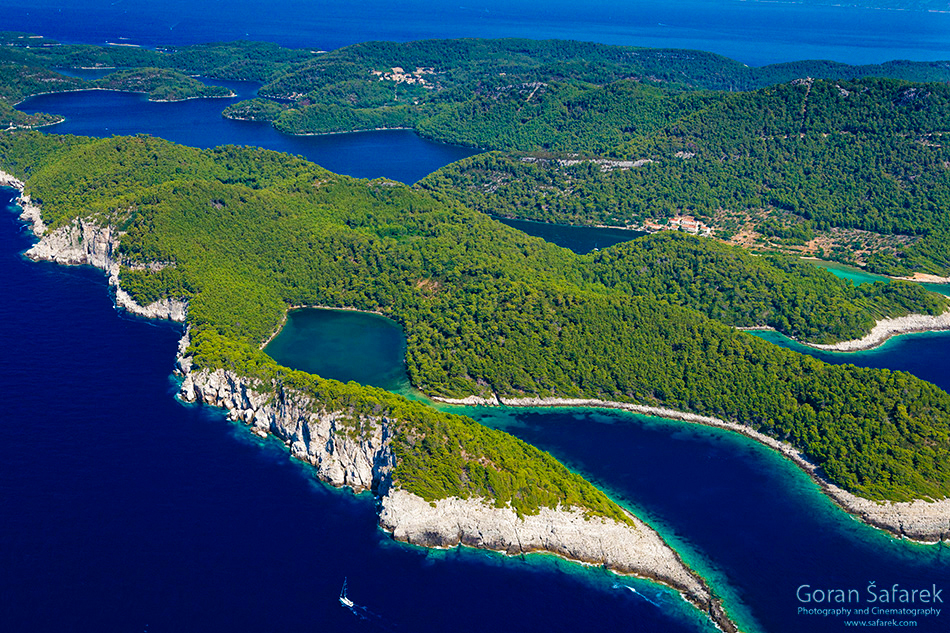
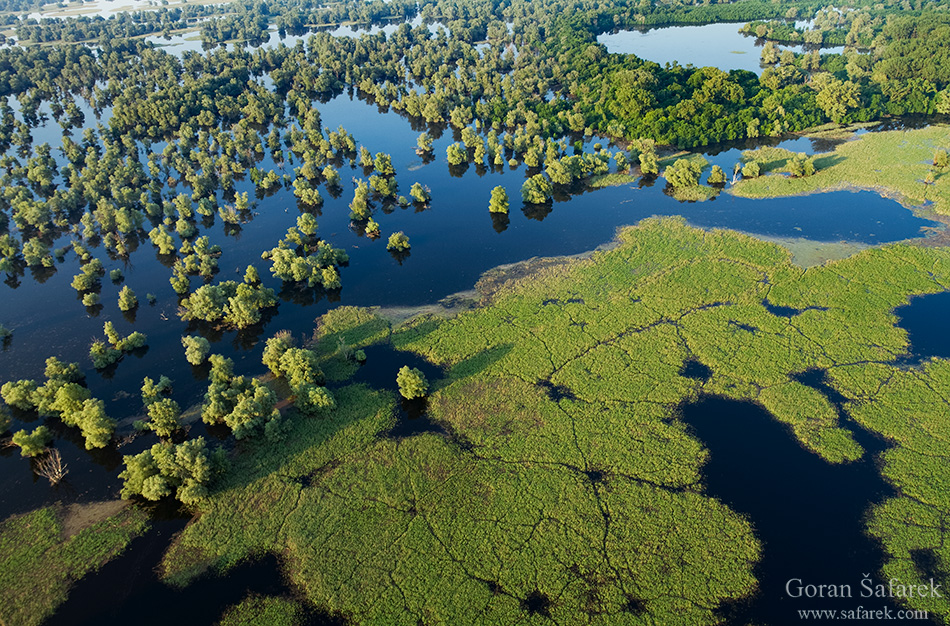
Nature parks cover larger areas where people and nature coexist. They include river valleys, mountain massifs, coastal zones and island groups, offering hiking trails, cycling routes, viewpoints and traditional villages alongside protected landscapes. Parks such as Biokovo, Velebit, Lonjsko Polje and Telašćica allow visitors to experience wild Croatia at a slower, more immersive pace.
What makes Croatia’s park system special is its accessibility: many parks lie close to major towns and travel routes, making it easy to combine nature with coastal stays, city breaks or road trips. In a single journey, you can hike mountains, swim beneath waterfalls, kayak rivers and explore island forests — often within just a few hours’ drive.
Visiting these parks responsibly is an important part of sustainable travel in Croatia. Timed entry systems, marked trails and strict protection rules help preserve these landscapes — ensuring they remain as wild, quiet and beautiful for future travellers as they are today.
Cultural & Historic Highlights
Croatia’s cities and towns hold more than 2,000 years of architecture, craft, maritime tradition and layered history. From Roman palaces turned into living cities to Venetian bell towers, medieval fortresses and Austro-Hungarian elegance, these are the places where Croatia’s story is most vividly alive.
Below are the cultural and historic highlights every traveller should consider adding to their itinerary.
Dubrovnik (UNESCO)
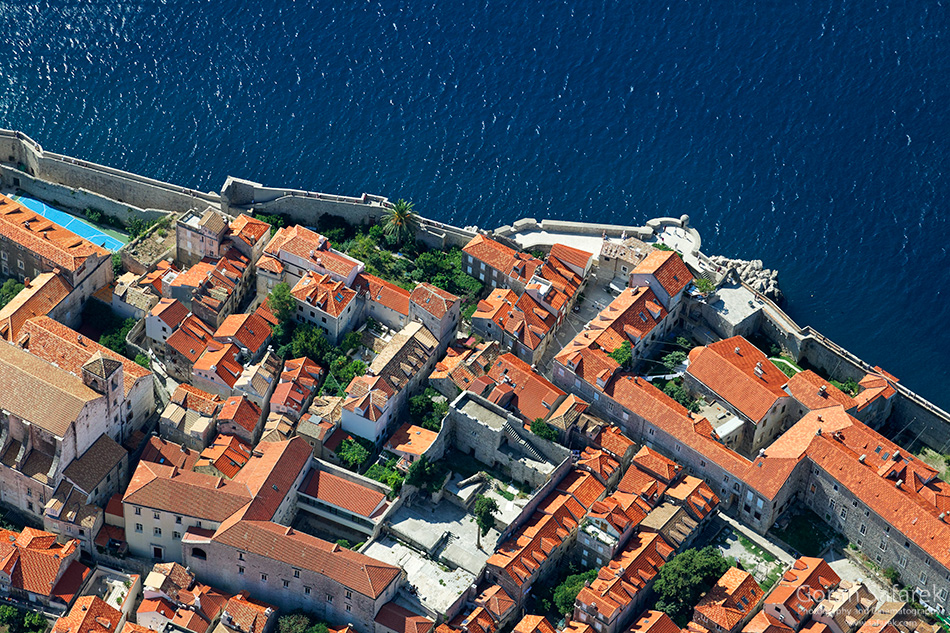
A masterpiece of stone walls, marble streets and Adriatic light. Dubrovnik’s old town is one of the best-preserved fortified cities in the world, with monasteries, palaces and towers overlooking the sea. Planning DUbrovnik? Start with our complete guide
Best for: photography, heritage lovers, iconic views and romantic evenings.
Split & Diocletian’s Palace (UNESCO)

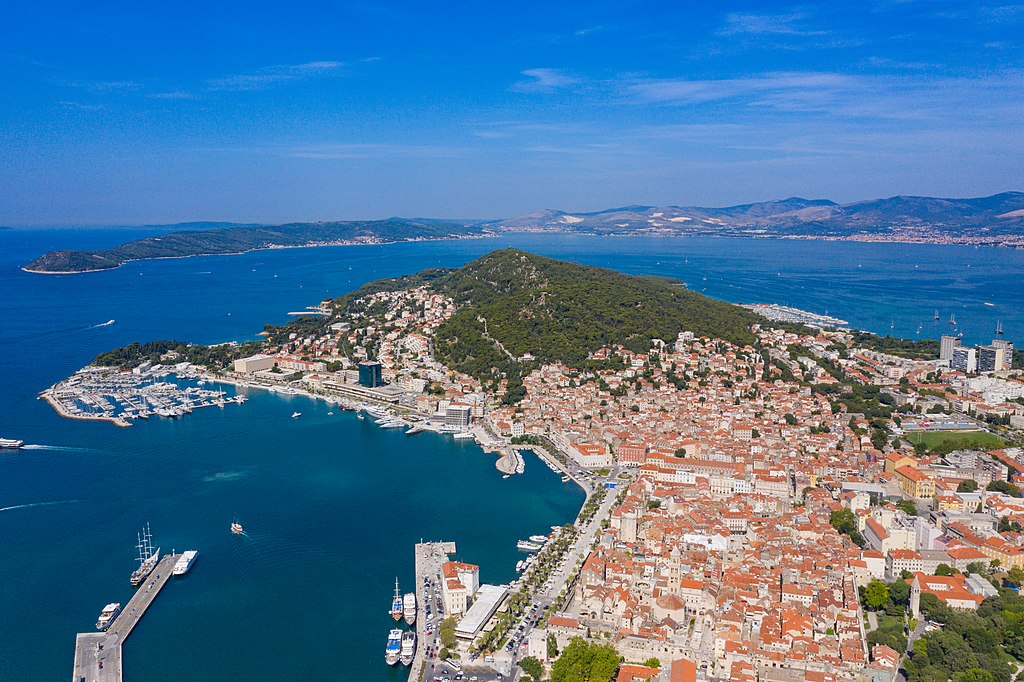
A living museum — a Roman emperor’s palace transformed into a functioning city. Cafés fill ancient courtyards, homes sit inside 1,700-year-old walls, and narrow alleys reveal one of Europe’s most unique urban experiences. Dive deeper into Split with our detailed guide
Best for: history, food, nightlife and access to the islands.
Zadar


A quiet cultural powerhouse with Roman forums, medieval churches, Venetian walls and modern art installations like the Sea Organ and Sun Salutation. Zadar explained — read our full guide
Best for: slow exploration, sunsets, architecture, fewer crowds.
Šibenik
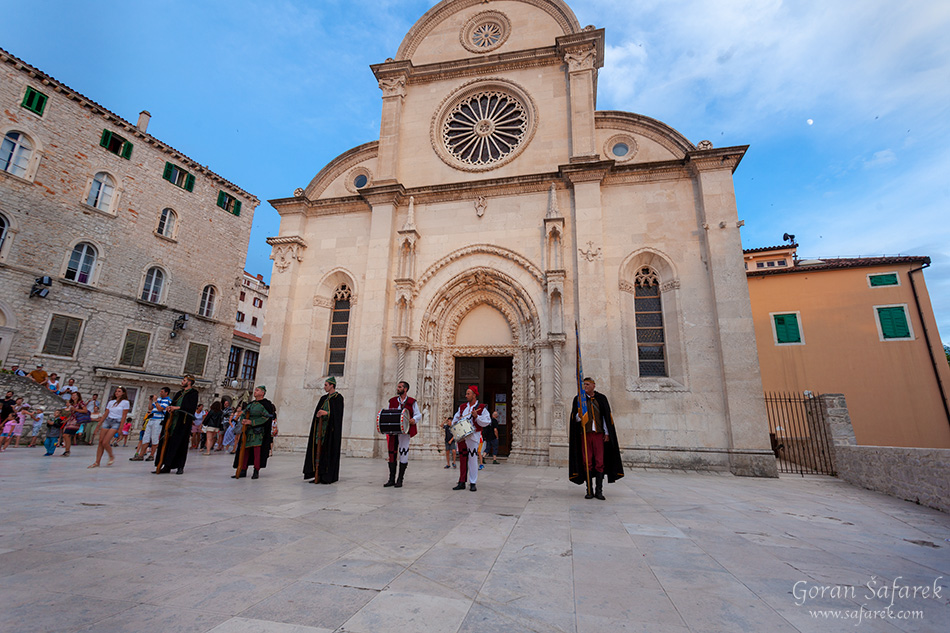
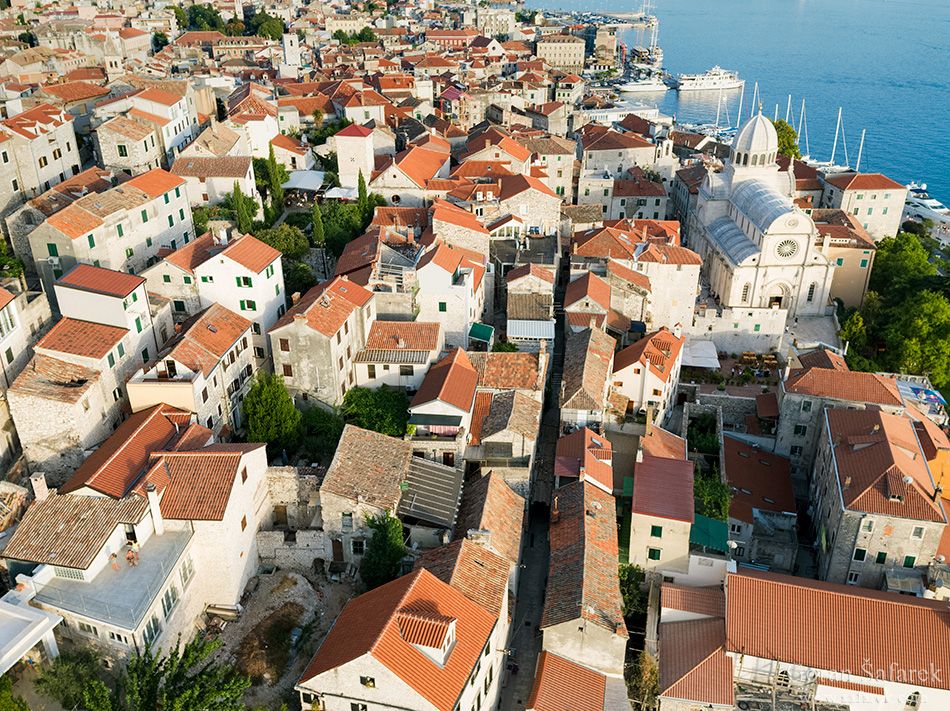
Croatia’s most underrated coastal town — home to the UNESCO-listed St James Cathedral, a masterpiece of stonework with an unforgettable dome. Narrow streets, fortresses and a deep local feeling make it a gem for travellers seeking authenticity. Discover Šibenik — our in-depth local guide
Best for: architecture lovers, photographers, those avoiding touristy hubs.
Trogir (UNESCO)
A small stone island filled with Romanesque, Gothic and Renaissance beauty. It’s one of the best-preserved medieval towns in Europe — compact, atmospheric, endlessly charming. Explore our complete Split travel guide
Best for: culture, romantic walks, short stays.
Pula

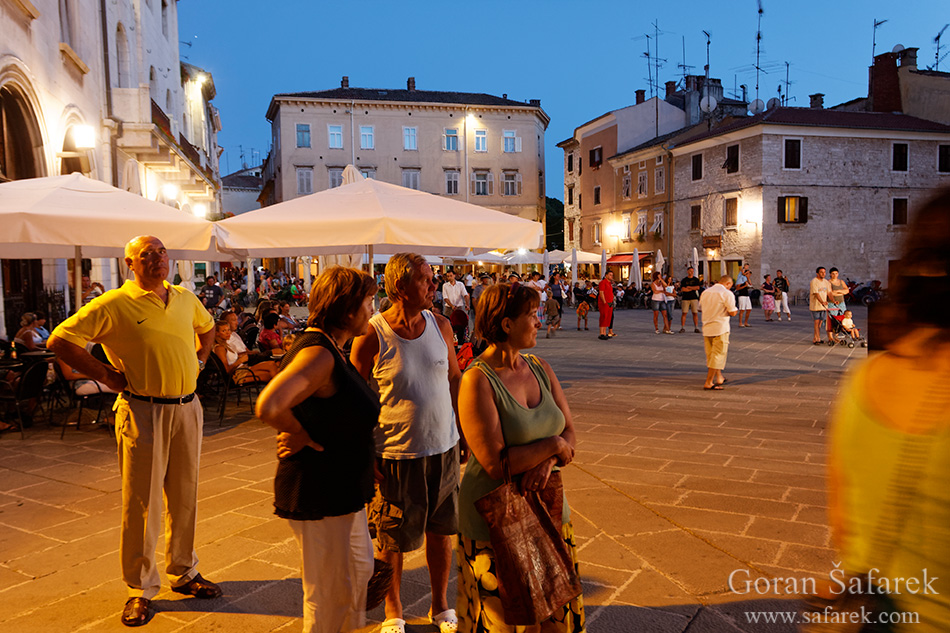
Home to one of the world’s best-preserved Roman amphitheatres, still used today for concerts and film festivals. The city blends ancient ruins with Austro-Hungarian architecture and a lived-in local vibe. Planning Pula? Start with our complete guide
Best for: Roman history fans, foodies, Istrian road trips.
Rovinj
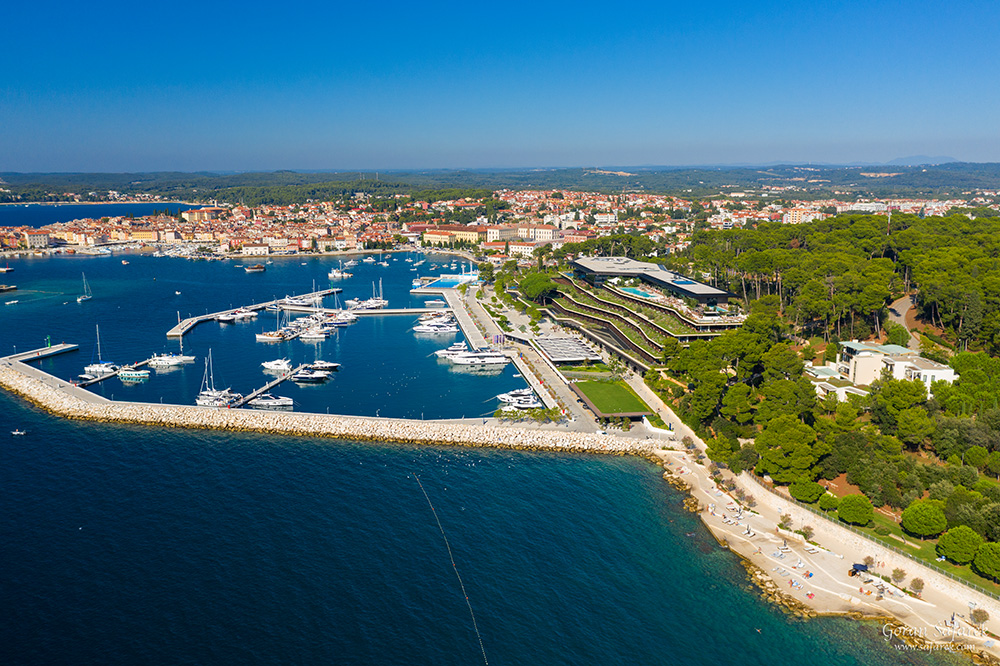
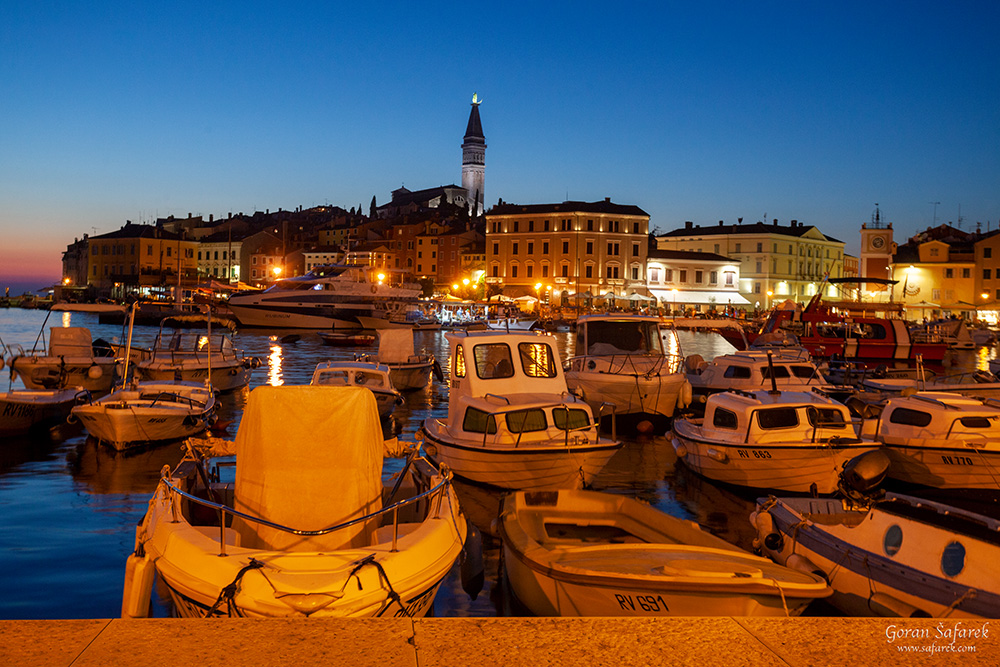
Perhaps Croatia’s most romantic town — a Venetian old town rising from the sea, with cobbled lanes, art studios and sunset viewpoints. Read our local guide to Rovinj
Best for: couples, food & wine lovers, boutique stays.
Zagreb

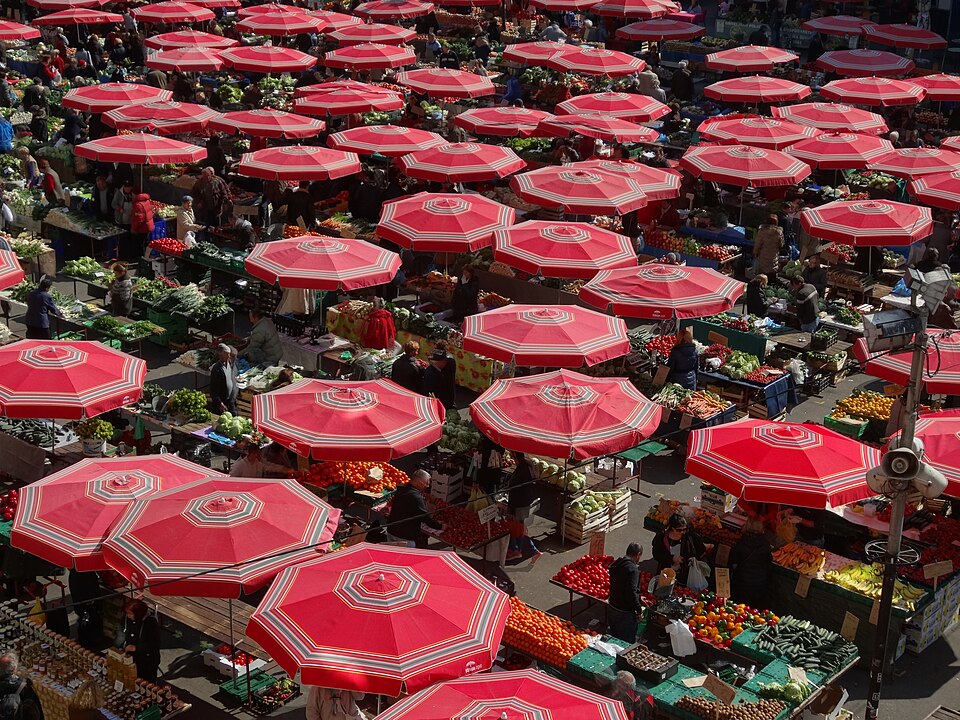
Croatia’s capital offers a blend of Baroque Old Town, Austro-Hungarian boulevards, art nouveau facades, vibrant markets and café culture. Warm, stylish and full of local life. Explore Zagreb in more depth
Best for: year-round city breaks, museums, gastronomy, Christmas markets.
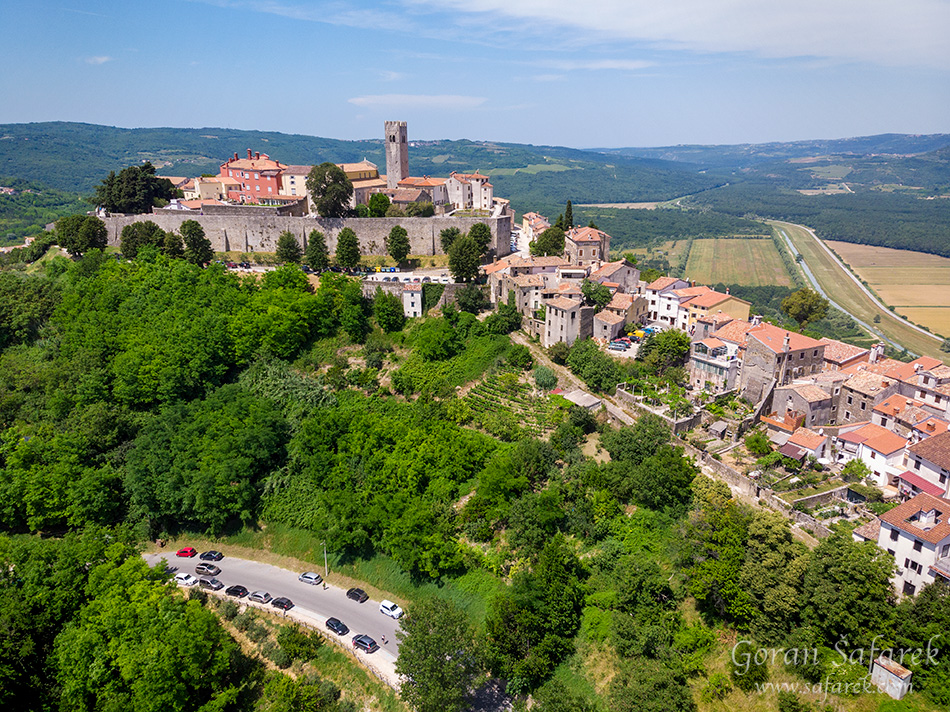
Explore Istria’s Hilltop Towns
A world of truffles, olive oil, vineyards and medieval stone villages.
Motovun, Grožnjan and Buzet offer slow, gourmet travel with incredible views and dreamy sunsets.
Best for: foodies, couples, slow travellers.


Food & Wine Highlights
Croatia’s culinary traditions reflect its landscapes — Mediterranean coastlines rich in seafood and olive oil, inland regions shaped by forests, rivers and old Austro-Hungarian influences, and vineyards stretching across the entire country. Even a short trip offers a delicious mix of regional flavours and award-winning wines.
Signature Flavours of Croatia
Istrian Truffles
Earthy, aromatic truffles shaved over pasta, risotto or eggs in rustic hilltop taverns.
Dalmatian Seafood
Grilled fish, octopus salad and black risotto – simple, fresh and finished with olive oil and lemon.
Pag Cheese
A bold, salty sheep’s cheese shaped by island herbs and the fierce bora wind.
Slavonian Cuisine
Hearty paprika stews, cured meats, river fish and generous portions from Croatia’s fertile inland regions.
Zagorje Specialties
Comfort dishes from the green hills north of Zagreb – think creamy štrukli and festive purica s mlincima shared with family.
Olive Oil Regions
Award-winning extra-virgin oils from Istria and Dalmatia – peppery, fruity and perfect to taste on their own or take home.
Croatian Wines
Indigenous grapes and boutique vineyards worth discovering:
- Istria – Malvazija: fresh and mineral, ideal with seafood.
- Dalmatia – Plavac Mali: full-bodied reds from steep coastal vineyards.
- Slavonia – Graševina: elegant whites, perfect with local dishes.
Desserts of Croatia
From almond-rich Rapska torta and creamy kremšnite to fritule and rožata, Croatia’s sweets are made for slow coffees, long lunches and lingering evenings.
Croatia Beaches & Water Activities
Croatia’s coast stretches for more than 1,700 km and includes over 1,200 islands — a landscape made for swimming, exploring, snorkeling and long days in clear, turquoise water. From calm family bays and hidden coves to dramatic cliffs, blue caves and some of Europe’s best diving spots, Croatia offers a beach experience for every traveler.
Explore the beautiful Adriatic beaches in our in-depth guide
Best Beaches by Region
Best Beaches by Region
Istria
Rocky coves, beach clubs, pine-backed shores and shallow family bays.
Best for: sunsets, clear water, couples, scenic walks.
Kvarner (Cres, Lošinj, Krk, Rab)
Lošinj’s calm coves, Cres’ wild beaches, Krk’s easy access and Rab’s rare sandy bays.
Best for: wellness, families, boat trips.
Central Dalmatia (Split, Brač, Hvar, Vis, Makarska Riviera)
Famous turquoise water, dramatic mountains and iconic beaches like Zlatni Rat and Brela.
Best for: beach lovers, island explorers, photographers.
Southern Dalmatia (Korčula, Mljet, Pelješac, Dubrovnik)
Pine forests, quiet coves, small sandy pockets and some of Croatia’s clearest water.
Best for: calm beaches, snorkeling, laid-back island days.
Pebble vs. Sandy Beaches
Croatia is famous for pebble beaches — smooth, white stones that make the water stunningly clear. Most beaches on the mainland and islands are pebble or rocky.
Pebble beaches
- Crystal-clear water
- No sand mess
- Best for snorkeling
- Bring water shoes for comfort
Sandy beaches (rare, but beautiful)
- Dugi Otok (Sakarun Beach) – Croatia’s most beautiful sandy beach, with turquoise water and white sand that feels almost Caribbean; a true island paradise.
- Rab (Lopar) – one of Croatia’s best sandy areas
- Nin – shallow lagoons perfect for children
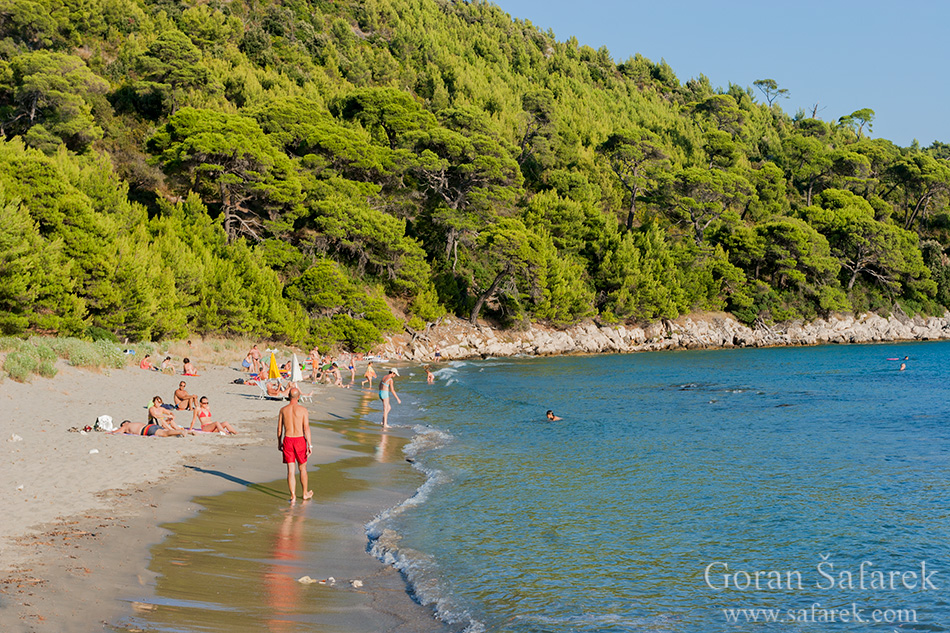
- Mljet (Saplunara) – a dreamy forest-backed sand bay
- Omiš area – some sandy patches near the river delta
If you love sand, choose destinations with sandy sections. Otherwise, pebble beaches are Croatia’s classic signature.
Snorkeling Spots
Croatia is fantastic for snorkeling thanks to its clear, calm water and rocky seabed.
Top places:
- Vis – coves, caves, WWII wrecks near the surface
- Hvar (the Pakleni Islands) – shallow reefs, bright fish, calm bays
- Brač (Zlatni Rat & Lučice Bay) – clear underwater landscapes
- Mljet National Park – saltwater lakes with unique marine life
- Cres & Lošinj – some of the clearest waters in Croatia
Best time to snorkel: June–October.
Diving Sites
Croatia’s underwater world includes reefs, cliffs, caves and historic wrecks.
Top diving destinations:
- Vis – considered Croatia’s #1 diving island (wrecks, caves, deep blue water)
- Kvarner Bay – dramatic underwater walls
- Hvar & Brač – beginner-friendly + advanced sites
- Dubrovnik region – reef slopes, small caves
- Kornati National Park – pristine marine life
Many islands have professional dive centres offering intro dives and advanced courses.

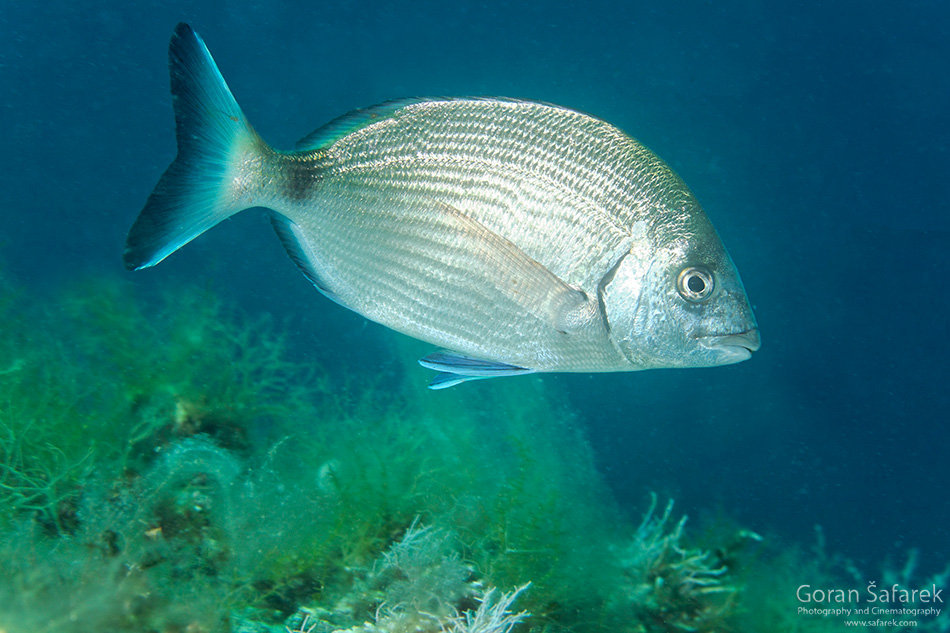
Kayaking & Stand-Up Paddle (SUP)
Croatia’s calm sea and dramatic coastline make it perfect for paddling.
Best kayaking/SUP areas:
- Dubrovnik – kayak around the old town walls + Lokrum Island
- Split & Marjan – sunset paddles and cliff views
- Hvar – Pakleni Islands are ideal for island-to-island kayaking
- Zadar – quiet bays and islands close to shore
- Mrežnica & Zrmanja Rivers – freshwater kayaking through canyons
Sunrise and sunset hours offer the calmest conditions and prettiest light.
Boat Trips & Caves
Boat trips are one of the top experiences in Croatia, whether by group tour, private skipper or small rented boat (valid license required).
Must-see caves & water marvels:
- Blue Cave (Biševo, near Vis) – a glowing blue chamber reached by small boats
- Green Cave (Vis) – emerald light, swimmable
- Modra Špilja (Zlarin) – smaller but beautiful
- Odysseus Cave (Mljet) – dramatic natural tunnel, perfect at sunset
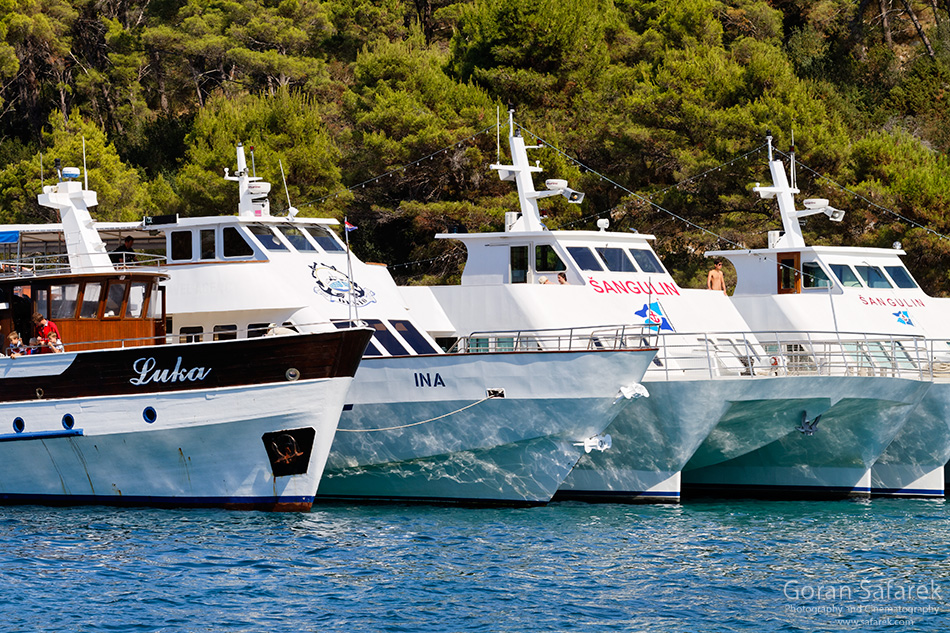
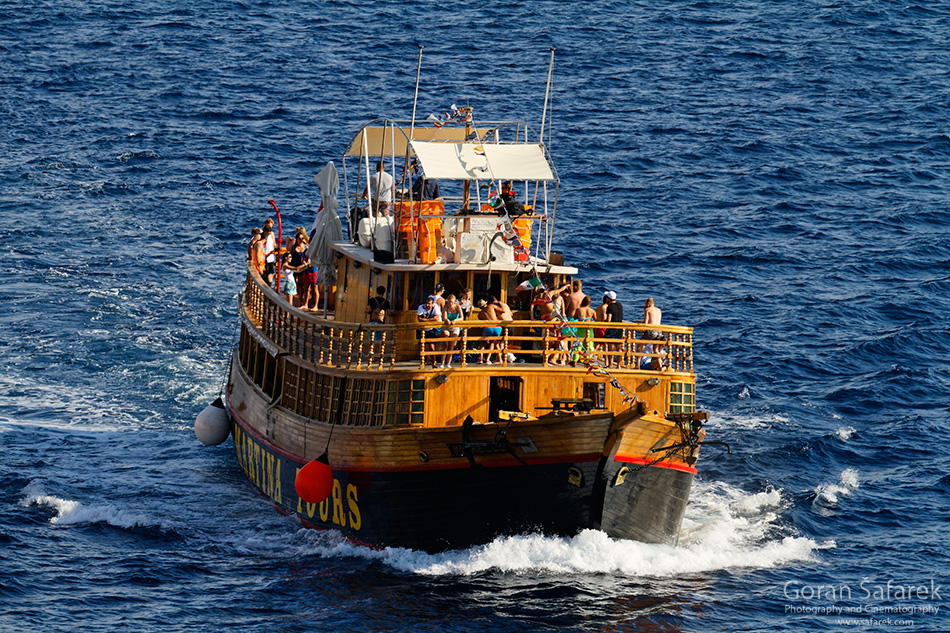
Best boat trip areas:
- From Split – Hvar, Brač, Vis, Blue Cave
- From Hvar – Pakleni Islands
- From Zadar – Dugi Otok, Sakarun Beach
- From Dubrovnik – Elafiti Islands
Whether it’s a half-day escape or a full island-hopping adventure, being on the water is where Croatia shines brightest.
🌴 Insider Tips for Croatia’s Beaches
Bring Water Shoes
Pebbles and sea urchins are common on rocky shores. Water shoes make entries and exits easier.
Swim Early or Late
Sunrise and late afternoon offer the calmest water, best light and fewer crowds.
Rent a Boat (Even for 2–4h)
The best coves are often hidden from the road. A small boat opens up a world of clear, quiet bays.
Sandy Beaches = Popular
Arrive early at Sakarun or Lopar — sandy spots fill up quickly, especially in July–August.
Pack a Snorkel Mask
Rocky seabeds = incredible visibility. Croatia is made for snorkeling — especially Vis, Hvar, Lošinj.
Shade & Hydration Matter
Mediterranean sun is strong. Bring water, a hat, and a light cover-up — many beaches have limited natural shade.
Nature & Outdoor Adventures in Croatia
Croatia offers one of Europe’s most diverse outdoor landscapes in a compact space: alpine ridges rising above the sea, river canyons warm enough for summer swimming, national parks filled with waterfalls, and islands made for slow hiking and cycling. Whether you’re a seasoned adventurer or a traveller who simply loves being outside, Croatia rewards you with experiences found nowhere else in the Mediterranean.
🥾 Love nature and slow exploration? Discover Croatia’s best trails, national parks and mountain routes.
Explore our Croatia hiking guide →Best Hiking Routes in Croatia
Paklenica National Park (Southern Velebit)
A paradise for hikers and climbers, just 40 minutes from Zadar. Two deep canyons — Velika and Mala Paklenica — offer everything from easy forest paths to demanding routes with dramatic limestone cliffs. Trails are well-marked, the microclimate stays relatively cool even in summer, and experienced hikers can continue all the way to Velebit’s high peaks.
Biokovo Mountain & Skywalk (Makarska Riviera)
Biokovo rises almost vertically from the coast, creating some of Croatia’s most breathtaking views. The Skywalk platform hangs over a 1,200 m drop, but the real rewards come from hiking the ridge paths, where you see islands scattered below you like stepping stones. The mountain is exposed — early morning hikes are essential in summer.
Premužić Trail (Northern Velebit)
One of the top scenic hikes in Southeast Europe. Built in the 1930s, the dry-stone path flows across the mountaintops with almost no steep sections, making it accessible for beginners while still delivering sweeping views over the islands. Best in June–October when the mountain is clear of snow.

Učka Nature Park (Istria)
A favourite for travellers staying in Opatija or Istria. The climb to Vojak Peak rewards you with 360° views stretching from the Alps to the Adriatic. Trails pass through beech forests, old stone terraces and quiet villages — ideal for half-day hikes that don’t require long drives.
⛵ Sailing in Croatia – Island Life by Sea
Croatia is one of the best sailing destinations in Europe — and one of the easiest to explore by boat. With over 1,200 islands, countless sheltered bays, predictable summer winds, and short distances between stops, sailing here feels both adventurous and accessible.
You don’t need to be an experienced sailor to enjoy it. Many travellers choose bareboat charters, skippered yachts, or small-group sailing trips, moving slowly between islands, anchoring in quiet coves, and waking up steps from the sea. Marinas are well-equipped, navigation is straightforward, and the Adriatic is generally calm, especially in summer.
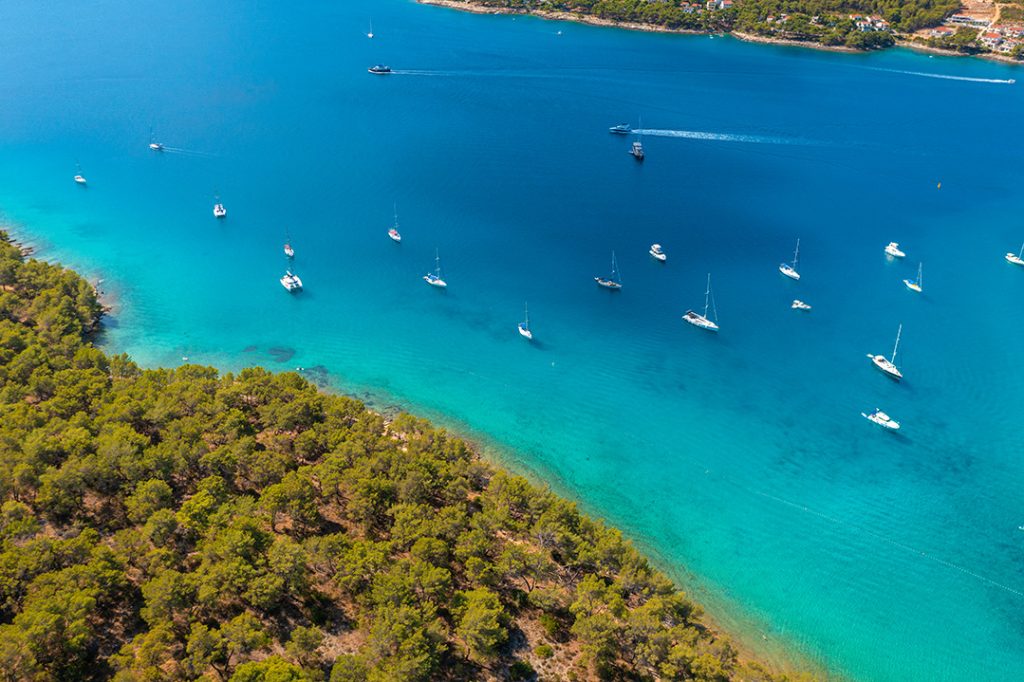
The most popular sailing regions include:
- Central Dalmatia (Split, Brač, Hvar, Vis) – perfect for first-time sailing trips
- Southern Dalmatia (Korčula, Mljet, Pelješac) – greener, quieter, more relaxed
- Šibenik & Kornati – dramatic island landscapes and national park sailing
Sailing in Croatia is as much about rhythm as route: swimming straight from the boat, long lunches in small island konobas, sunsets in harbours, and days shaped by wind rather than schedules. Whether for a day, a week, or longer, it’s one of the most immersive ways to experience the country.
Discover Croatia by sea – sailing guide
Waterfall Regions Worth Visiting
Plitvice Lakes National Park
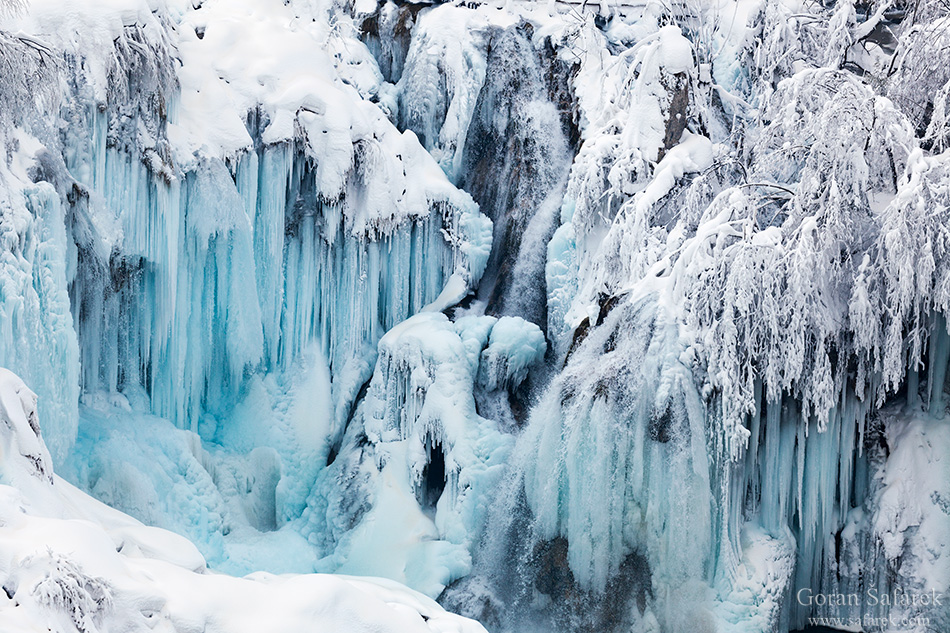
A UNESCO treasure of 16 cascading lakes linked by wooden boardwalks. Different routes range from 2–8 hours; the longer ones take you away from the crowds and offer elevated viewpoints. The water is clearest in spring and autumn, and winter snowfall turns the lakes into a surreal frozen landscape.
Krka National Park
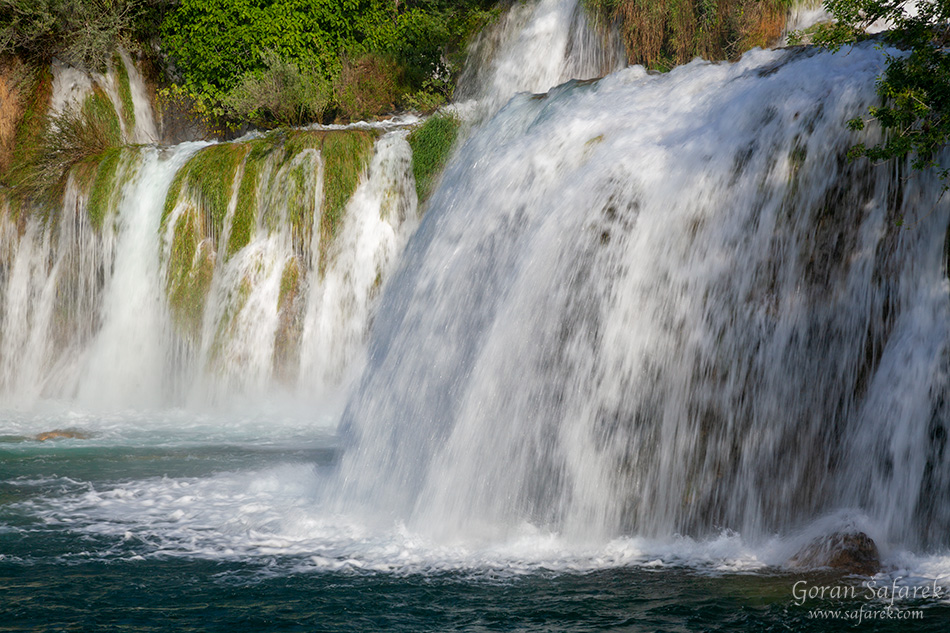
More accessible and easier to explore than Plitvice, with dramatic waterfalls like Skradinski Buk and Roški Slap, plus boat trips to the Visovac monastery island and the quieter upper river areas. Great for families, and ideal if you want shorter walks with equally stunning scenery.
💧 Chasing waterfalls? From famous cascades to hidden river gems, Croatia is rich in flowing beauty.
Explore Croatia’s most beautiful waterfalls →Rastoke (Slunj)
A small fairy-tale village built above mini waterfalls where the Slunjčica River meets the Korana. Wooden houses, mills and bridges create a storybook atmosphere. Spend 1–2 hours here on your way to Plitvice — it’s one of Croatia’s best hidden gems. Read more about Rastoke
Zrmanja & Krupa River Waterfalls
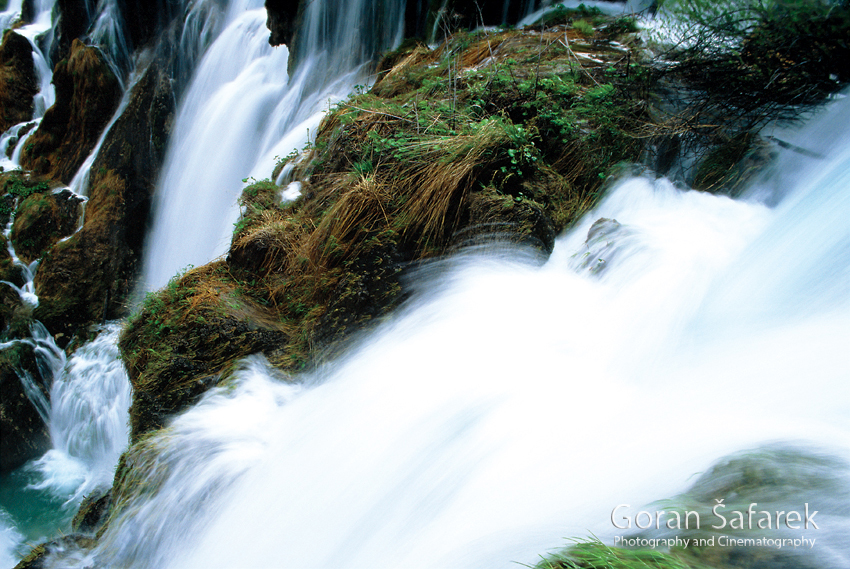
Less visited but breathtaking: turquoise pools, travertine steps and deep canyons. Perfect for travellers looking for beauty away from big crowds. The area is ideal for kayaking, off-road excursions and photography.

Rivers for Kayaking & Rafting
Mrežnica River
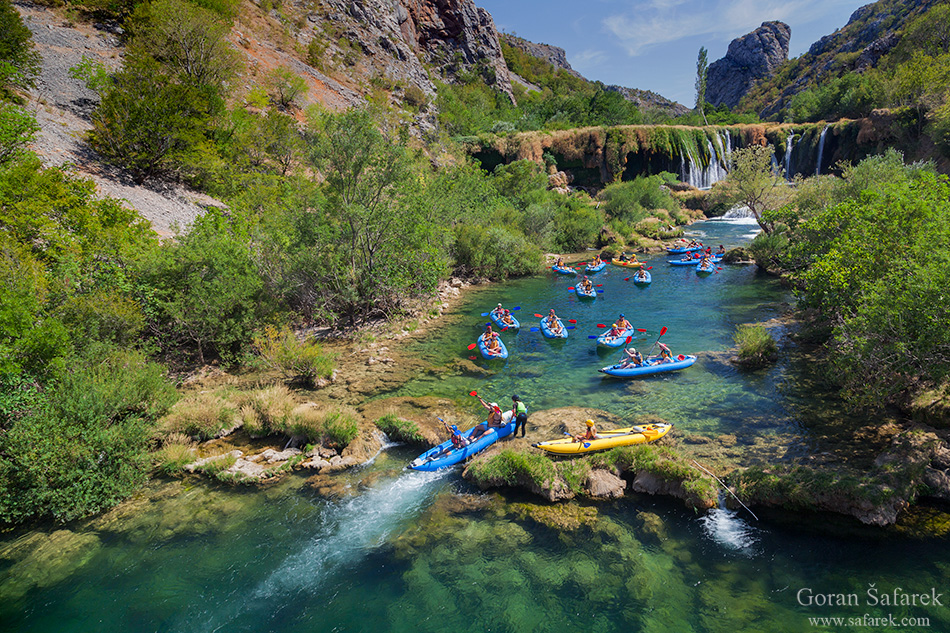
A warm, crystal-clear river lined with dozens of small waterfalls. Think natural “jacuzzi pools,” perfect for swimming throughout summer. Kayak tours are gentle and family-friendly, with no prior experience required.
Cetina River (Omiš)
A dramatic canyon surrounded by vertical cliffs. Activities include rafting, canyoning, cliff-jumping and one of Croatia’s best ziplines. Great for travellers who want something more exciting than a gentle paddle.
Zrmanja River
One of the most scenic beginner rivers in Europe, with mild rapids and incredible canyon scenery straight out of a western film. Ideal for families, couples and groups.

Una River (border region)
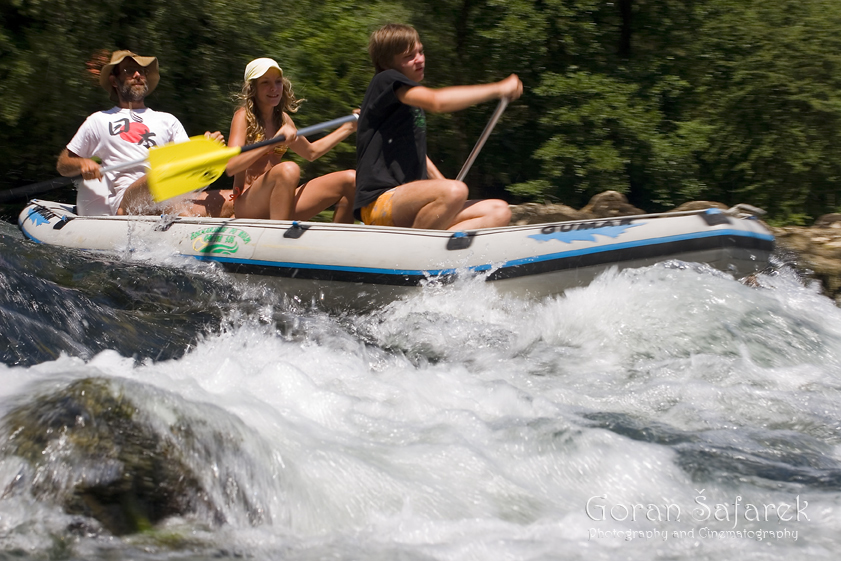
The most powerful whitewater river in Croatia’s surroundings. Clear, cold, and perfect for adventurous travellers seeking proper Class III–IV rapids.
Cycling Routes: Coast, Islands & Inland
Istria
Croatia’s cycling capital. The Parenzana Trail leads through vineyards, tunnels and hilltop towns, combining gorgeous scenery with gentle gradients. Coastal routes near Rovinj and Pula are perfect for recreational riders, while central Istria offers more challenging climbs.
Dalmatian Islands (Hvar, Brač, Korčula, Pag, Lošinj)
Island cycling = panoramic coastal roads, olive groves, stone villages and minimal traffic. Hvar and Brač have spectacular climbs, while Korčula is ideal for long scenic loops with vineyards and sea views. E-bikes make island cycling accessible to all.
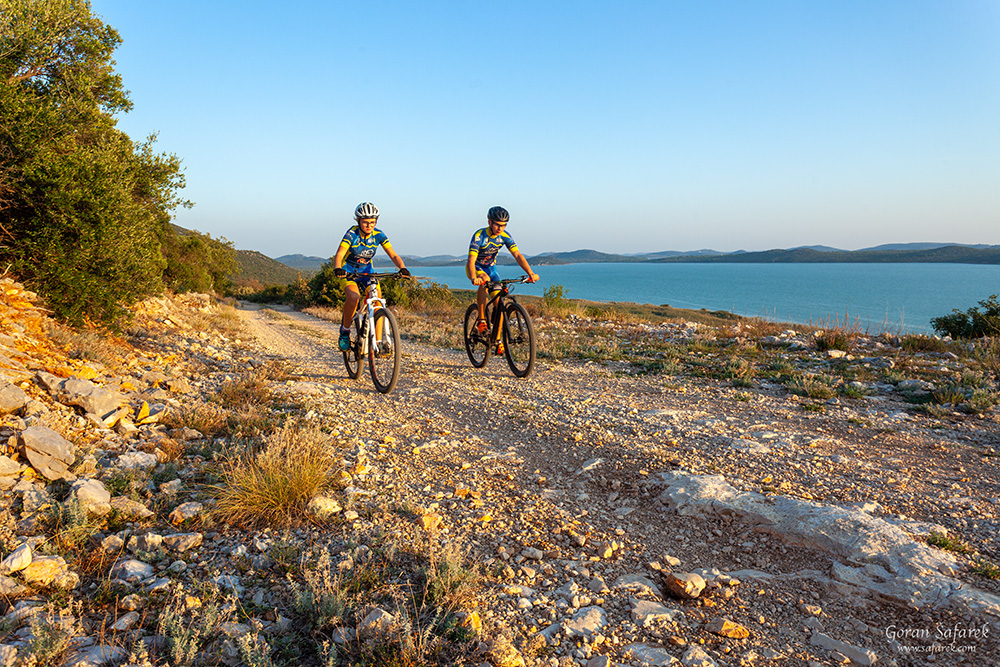
Slavonia & Baranja
Flat, peaceful and perfect for long, meditative rides. Vineyards, wetlands and historic wine cellars make this region ideal for slow travellers who love cycling with food and culture stops.
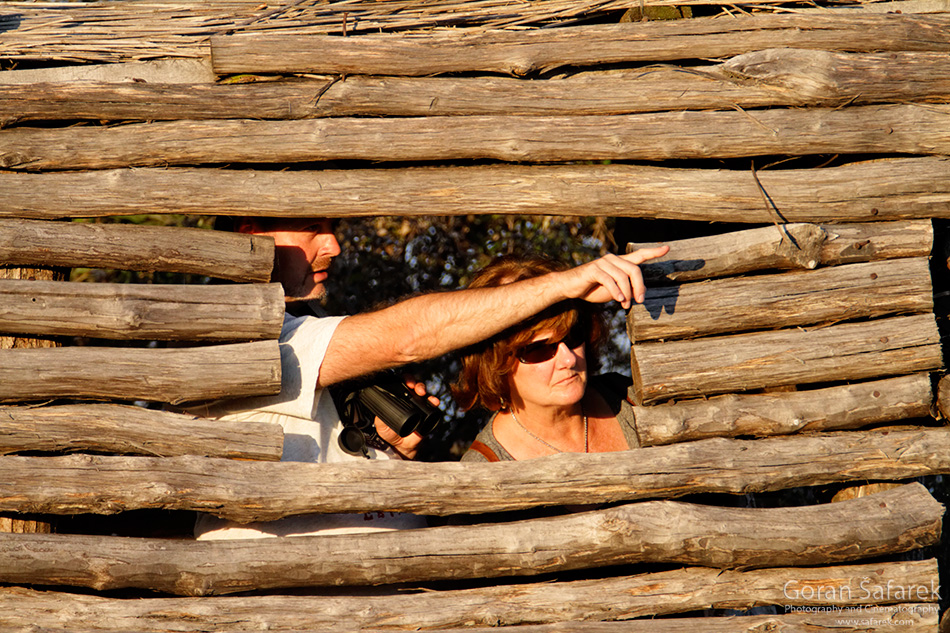
Wildlife & Birdwatching
Croatia is one of Europe’s biodiversity hotspots.
🐦 Interested in wildlife? Croatia is a birdwatching paradise — from wetlands and rivers to islands and mountain forests.
Explore birdwatching in Croatia →Kopački Rit Nature Park
Europe’s Amazon — huge wetlands filled with herons, storks, spoonbills and eagles. Best visited at sunrise or sunset.
Lonjsko Polje
Traditional wooden houses, stork nests, river meadows and quiet walking trails. Perfect for photographers and families.


Gorski Kotar & Velebit
Croatia’s wilderness regions. Home to bears, wolves and lynx (rare to see, but their presence shapes the ecosystem). Guided wildlife tours exist and are highly recommended.
Cres & Lošinj
One of Europe’s few remaining griffon vulture colonies; dolphins are regularly seen around Lošinj.
🌿 National Park Tips (Smart Planning for 2026)
Croatia has 8 national parks, each with its own rules, landscapes and logistics. These tips help you plan efficiently and avoid the most common mistakes.
Essential Planning Tips
- Buy tickets in advance for Plitvice (mandatory) and Krka (highly recommended).
- Start early — ideally before 9:00 am in peak season.
- Check official park transport (boats & shuttles vary by month).
- Avoid midday heat especially in parks like Paklenica and Kornati.
- Wear sturdy shoes — boardwalks and karst can be slippery.
- Respect protected areas — drones, swimming and off-trail walking have strict restrictions.
All National Parks in Croatia
- Plitvice Lakes – emerald lakes & waterfalls
- Krka – cascades, monastery island, boat trips
- Paklenica – canyons, hiking, climbing
- Northern Velebit – Premužić Trail, alpine wilderness
- Risnjak – forests, wildlife, mountain viewpoints
- Kornati – archipelago of 89 islands
- Mljet – saltwater lakes, peaceful trails
- Brijuni – island park with history & nature
💡 Each park name above links to a full in-depth guide to help you plan routes, tickets, and the best viewing times.
Croatian Culture – Traditions & Everyday Life
Croatia’s culture sits at the crossroads of the Mediterranean, Central Europe and the Balkans. Stone coastal towns and slow evenings on the riva meet café-packed boulevards, village festivals, folklore, and a strong sense of community. To understand Croatia is to watch how people linger over coffee, how markets come alive in the morning, and how the sea quietly shapes everyday life.
Where to Experience Real Croatian Culture
Istria
Hilltop towns, truffle festivals, olive oil tastings and slow food traditions. Visit villages like Motovun, Grožnjan and Buzet for authentic inland culture.
Dalmatian Islands
Klapa singing in stone squares, fishermen’s nights, local processions and a slow island rhythm. Best on Hvar, Brač, Korčula and Vis.
Slavonia & Baranja
Folk costumes, tamburica music, village festivals, wine harvest celebrations and hearty food traditions. Ideal for travellers seeking rural authenticity.
Zagreb
Café culture, markets, local neighbourhoods and year-round events. Wander through Dolac Market, Tkalčićeva Street, and summer festivals for everyday urban culture.
Mediterranean Meets Central Europe
Coastal Croatia feels distinctly Mediterranean: long evenings by the sea, seafood dinners, olive oil, wine and stone piazzas where kids play late into the night. Inland regions, especially Zagreb, Slavonia and Zagorje, carry more of a Central European rhythm — café terraces, Austro-Hungarian architecture, Sunday lunches, and a quieter, continental pace. Most trips will show you a little of both: Adriatic light by day, Central European charm and rituals in the evenings.
🇭🇷 Need to Know: Croatian Culture in Everyday Life
- Greeting: a simple “Dobar dan” (good day) goes a long way; handshakes are common on first meeting.
- Time & pace: people value being on time for arrangements, but social life — especially on the coast — runs on a relaxed rhythm.
- Cafés over bars: many social plans happen in cafés, not necessarily at night in clubs.
- Sunday lunch: family lunch (often multi-course) is still an important weekly ritual.
- Dress: casual is fine, but do cover shoulders and knees when entering churches.
- Tipping: rounding up or ~10% in restaurants is appreciated but not mandatory.
- Quiet hours: residential areas expect calm late at night, especially outside peak tourist zones.
Everyday Customs (riva, cafés, fjaka)
The riva (seafront promenade) is the living room of coastal towns — people stroll, talk, and sit for hours with coffee or gelato, especially in the early evening. Cafés are not rushed “grab a drink and go” places, but social spaces where one espresso can last an hour and nobody minds.
You’ll often hear about fjaka, a Dalmatian word for that delicious state of relaxed, lazy contentment when the sun is warm, time slows down, and there’s nowhere you urgently need to be.

Festivals & Folklore
Every region has its own festivals — from coastal summer nights with open-air concerts and klapa singing, to inland village celebrations, wine harvest events and folklore evenings with traditional dress and dancing. These aren’t just staged performances; many locals actively participate, and small-town processions, patron saint days and carnival (maškare) still matter deeply to communities.
💬 Little Words That Explain a Lot
These everyday words give a glimpse into how life flows in Croatia.
| Word / Concept | Meaning | Where You’ll Notice It |
|---|---|---|
| riva | Seafront promenade; the social heart of coastal towns. | Evening walks in Split, Zadar, Šibenik, smaller coastal towns. |
| fjaka | A blissful state of relaxed laziness and contentment. | Hot afternoons on the coast, slow days by the sea. |
| kava / na kavu | “Coffee” / “let’s go for a coffee” = let’s sit and talk. | Cafés everywhere, any time of day. |
| konoba | Traditional tavern, usually with local, home-style food. | Dalmatia, Istria, islands and coastal towns. |
| tržnica | Open-air market for fresh produce, flowers and local goods. | City and town centres in the morning. |
Traditional Crafts
Croatia’s traditional crafts reflect both the sea and the countryside: lace-making on Pag and in Lepoglava, wooden toys from Hrvatsko Zagorje, hand-carved wooden items from Slavonia, stone masonry along the coast, and boatbuilding in historic shipyards. Many souvenirs sold in smaller workshops are still made by hand; look for official “original Croatian craft” or local artisan labels where possible.
Music & Dance Traditions
Traditional music in Croatia ranges from klapa — melodic, a cappella coastal singing, often performed in squares or at festivals — to tamburica ensembles in Slavonia and traditional village dances performed in folk costumes. You’ll also encounter modern pop, rock and electronic music at beach clubs and festivals, but the traditional forms still appear at weddings, holidays and local events.
Coffee Culture
Coffee is a ritual, not a caffeine delivery system. Locals meet “na kavu” even if they end up drinking juice, beer or water — the phrase really means “let’s sit, talk and spend time together.” Expect slower service than in some countries; no one will rush you, and you often need to ask for the bill when you’re ready to leave. Morning and late afternoon are peak coffee times.
Market Culture
Morning markets (tržnice) are where daily life still feels very local: grandmothers selling herbs and eggs, seasonal fruit and vegetables, homemade cheeses, cured meats, flowers and local olive oil or rakija. Prices are often negotiable; it’s polite to greet, smile and handle produce gently. For the freshest experience, go early — by midday, stalls begin to thin out, and the energy shifts back to cafés.
🌸 Insider Tips: Blending in with Croatian Everyday Life
Join the Evening Walk
In coastal towns, strolling along the riva at sunset is part of daily life. Dress casually but nicely and simply wander with everyone else.
Treat Coffee as Time, Not Just a Drink
“Idemo na kavu” means “let’s spend time together.” Don’t rush your drink, and don’t expect the bill until you ask for it.
Visit Markets in the Morning
Go to the tržnica early for the best produce and atmosphere. Greet vendors, smile, and pay attention to seasonal specialties.
Use a Few Croatian Words
Simple words like hvala (thank you), molim (please/you’re welcome) and dobar dan are very appreciated — especially outside the most touristy areas.
Be Respectful in Churches
Many churches are active parish spaces, not just attractions. Speak quietly, dress modestly, and avoid photos during services.
Lean into the Slower Pace
Service can feel slower than in some countries — especially in summer. Take it as an invitation to relax rather than a problem to fix.
Must-Try Food in Croatia
Croatia’s cuisine is one of Europe’s most underrated treasures — a blend of Mediterranean simplicity, Central European comfort, and centuries of regional traditions. Every part of the country has its own flavours: seafood and olive oil on the coast, truffles and handmade pasta in Istria, paprika and hearty stews in Slavonia, and ancient island recipes shaped by wind, salt and stone.
Whether you travel for food or simply enjoy discovering local dishes, these are the flavours that define Croatia.
🍽️ Restaurant Etiquette in Croatia
Eating out in Croatia is relaxed and social. A few simple habits will help you feel instantly more local.
- Reservations: In summer and weekends, book ahead for popular spots in Split, Dubrovnik, Rovinj and the islands.
- Pace: Meals are unhurried. Staff won’t bring the bill until you ask (račun, molim).
- Sharing plates: It’s normal to share appetisers, seafood platters and side dishes.
- Tipping: Rounding up or adding ~10% in restaurants and for good service is appreciated but not strictly required.
- Bread & cover charge: A small fee for bread or a “couvert” is common on the coast.
- Water & drinks: Still water is usually bottled; tap water is safe but not always offered by default — you can ask.
- Smoking: Terraces may allow smoking; indoors is non-smoking.
- Dress code: Casual but neat is fine almost everywhere; avoid swimwear in konobas and restaurants.
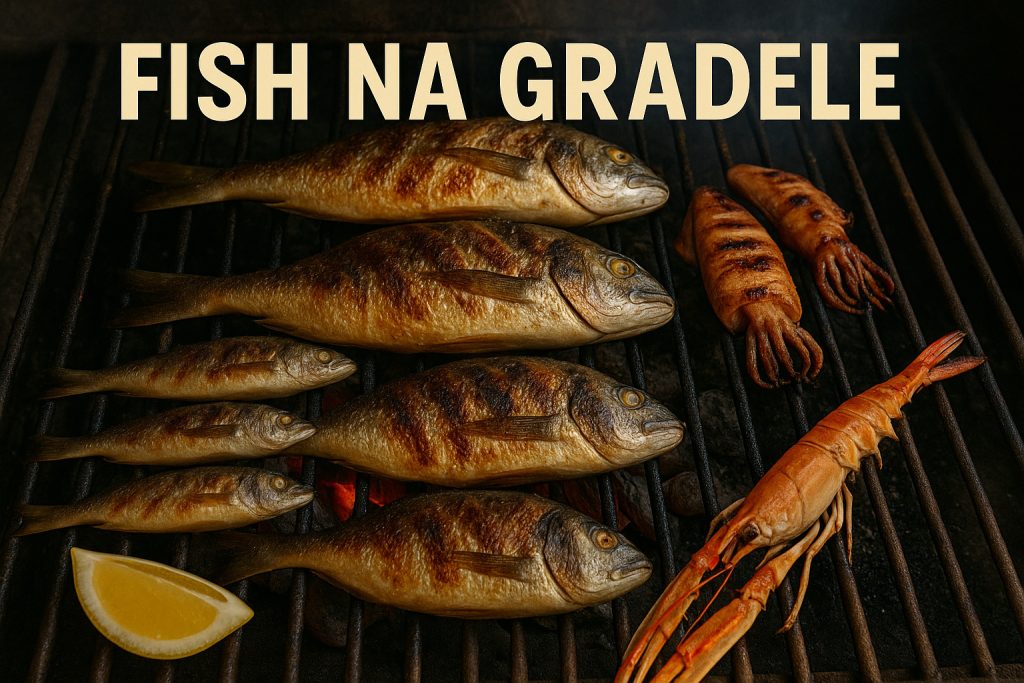
Adriatic Seafood
Light, fresh and deeply Mediterranean — Dalmatian cuisine is all about olive oil, lemon, herbs and the daily catch. Read in more detail
What to try:
- Grilled fish (“riba na gradele”) — brushed with olive oil and herbs.
- Octopus salad — tender, citrusy, the perfect summer starter.
- Black risotto (“crni rižot”) — cuttlefish ink, garlic, wine.
- Brodet (fish stew) — slow-cooked seafood served with polenta.
- Škampi na buzaru — scampi in a garlicky tomato-and-wine sauce.
Where it shines: Split, Hvar, Vis, Korčula, Zadar, Šibenik, Dubrovnik.
Istrian Pasta & Truffles
Istria is Croatia’s gourmet region — rolling hills, stone villages, olive oil estates and some of Europe’s best truffles.
What to try:
- Fuži — handmade pasta, often served with truffles or wild boar.
- Pljukanci — thick, twisted pasta.
- White truffles (autumn) and black truffles (year-round).
- Istrian prosciutto (pršut) — air-dried in mountain winds.
- Maneštra — hearty bean-and-vegetable stew.
Where it shines: Motovun, Buzet, Grožnjan, Rovinj, Pula.
Slavonian Dishes
Inland Croatia has bold flavours shaped by paprika, wood-fired cooking and generous portions.
What to try:
- Čobanac — spicy stew with beef, pork and paprika.
- Fiš paprikaš — river fish cooked in a rich paprika broth.
- Kulen — iconic smoked sausage.
- Pečenje — roast meats, often served at celebrations.
- Dumplings, breads & local pastries from traditional bakeries.
Where it shines: Osijek, Baranja, Vukovar, Đakovo, Požega.
Island Specialties
Life on the Adriatic islands shaped a special kind of cuisine — simple, seasonal and tied to the sea.
What to try:
- Vitalac (Brač) — unique island lamb dish, centuries-old tradition.
- Gregada (Hvar) — fish stew with potatoes, parsley and olive oil.
- Lamb from Pag or Cres — naturally flavoured by wild herbs and sea salt.
- Pašticada (Dalmatia, but beloved on islands) — slow-braised beef in sweet-and-sour sauce.
- Salt & cheese from Pag — world-famous Pag cheese (Paški sir).
Where it shines: Brač, Hvar, Vis, Korčula, Cres, Pag, Lošinj.
Must-Try Desserts
Croatia’s sweets are regional, nostalgic, and often tied to holidays and festivals.
What to try:
- Kremšnita (Samobor & Zagreb) — vanilla cream slice.
- Rapska torta (Rab) — almond cake with a spiral pattern.
- Fritule — tiny fried dough balls with rum and raisins.
- Rožata (Dubrovnik) — caramel custard similar to flan.
- Paprenjaci — spiced biscuits with honey and pepper.
- Palačinke — thin crepes filled with walnuts, jam or chocolate.
⭐ Perfect One-Day Croatian Food Journey
A full-day tasting route blending local flavours, heritage recipes and Croatia’s slow Mediterranean rhythm. Follow it anywhere — Dalmatia, Istria, Kvarner, Zagreb — and you’ll taste the essence of the country.
🌅 Breakfast – “Local & Simple”
Start with a croissant or burek from a neighbourhood bakery, paired with a long coffee (kava s mlijekom). If you’re by the sea, add a fresh yogurt with figs or honey and enjoy it on the riva.
☕ Mid-Morning Coffee – “Do It the Croatian Way”
Settle into a café terrace and sip slowly — Croatian coffee culture is unrushed. Try a macchiato or bijela kava and watch everyday life unfold.
🍽️ Lunch – “Sea, Olive Oil & Tradition”
On the coast, order grilled fish or octopus salad. Inland, choose fuži with truffles (Istria) or čobanac (Slavonia). Pair with a chilled Malvazija or mineral-rich Pošip.
🍰 Afternoon Treat – “Sweet Pause”
Try a local dessert: kremšnita in Zagreb or rožata in Dubrovnik. On the islands, look for Rapska torta or fritule.
🍑 Seasonal Fruits – “Nature’s Snack”
Croatia’s fruit is incredible — ripe figs in late summer, cherries in June, peaches and apricots in July, and refreshing watermelon all season long. Pick some up from a local market or a roadside stand for a perfect, healthy afternoon snack.
🍷 Pre-Dinner Aperitivo – “Golden Hour Sips”
Order a glass of Prošek (Dalmatian sweet wine), or a crisp Graševina. Perfect with olives, cheese, or anchovies. It’s the best moment to feel the Adriatic slowing down around you.
🌙 Dinner – “Long, Slow & Shared”
Choose a konoba (tavern) and order pašticada with gnocchi, brudet, or lamb under the bell (peka). Pair with a bold Plavac Mali or earthy Teran.
✨ Nightcap – “Island Style”
End with a small glass of rakija (fig, honey or herbal) or a scoop of lavender or almond gelato if you’re by the sea. The perfect quiet finish to a Croatian food day.
Croatian Wine Regions
Croatia’s wine scene is booming, rich with indigenous grape varieties and small family producers. The country has four main wine regions, each with distinctive styles.
Istria
- Malvazija — crisp, fresh, mineral white.
- Teran — deep, earthy red.
Excellent with seafood and truffle dishes.
Dalmatia
- Plavac Mali — powerful reds from steep, sun-soaked vineyards (Dingač, Postup).
- Pošip — elegant, aromatic white (Korčula).
- Grk — rare white wine from Lumbarda.
Slavonia & Danube Region
- Graševina — flagship white, versatile and food-friendly.
- Also home to award-winning sparkling wines and dessert wines.
Kvarner
- Žlahtina (Krk) — light, refreshing white wine that pairs with seafood.
🗣️ How to Say Popular Croatian Dishes
A simple guide so you can confidently order local favourites — and make your waiter smile.
| Dish | How to say it | What it is |
|---|---|---|
| pašticada | pash-tee-TSAH-dah | Dalmatian slow-braised beef in a rich, sweet–savory sauce, often served with gnocchi. |
| crni rižot | TSR-nee REE-zhoht | Black risotto made with cuttlefish or squid ink, garlic and wine. |
| brudet / brodet | BROO-det | Traditional fish stew, usually served with polenta. |
| fuži | FOO-zhee | Istrian handmade pasta, often served with truffles or meat sauces. |
| pljukanci | PLYOO-kahn-tsee | Short, hand-rolled pasta from Istria, slightly chewy and rustic. |
| čobanac | CHOH-bah-nats | Spicy meat stew from Slavonia, cooked with lots of paprika. |
| fiš paprikaš | feesh pah-pree-KASH | River fish stew in a paprika-rich sauce, typical for Slavonia and Baranja. |
| štrukli | SHTROOK-lee | Baked pastry filled with fresh cheese, a classic from Zagreb and Zagorje. |
| purica s mlincima | POO-ree-tsa s MLEEN-tsee-ma | Roast turkey served with thin baked pasta sheets — a festive dish. |
| paški sir | PASH-kee seer | Famous sheep’s cheese from the island of Pag. |
| kremšnita | KREM-shnee-tah | Vanilla cream slice with puff pastry, iconic in Samobor and Zagreb. |
| Rapska torta | RAP-ska TOR-tah | Rich almond cake from the island of Rab, often in a spiral shape. |
When to Visit Croatia
Croatia is a year-round destination — but the experience changes dramatically with the seasons. Spring wakes the rivers and forests, summer brings warm turquoise seas and island life, autumn glows gold across vineyards and old towns, and winter turns the mountains still and poetic.
Whether you’re here for beaches, hiking, food, photography or slow travel, there is a perfect moment to come. This guide helps you match your Croatia with the right season.
🗓️ Quick Guide: Best Time to Visit Croatia
- Best overall: May–June & September–October
- Warmest sea: late June–early October
- Least crowds: April, May, October
- Cheapest: November–April
- Best waterfalls: April–May
- Best road trips: May–June & September
- Best for islands: June, September
Season Breakdown
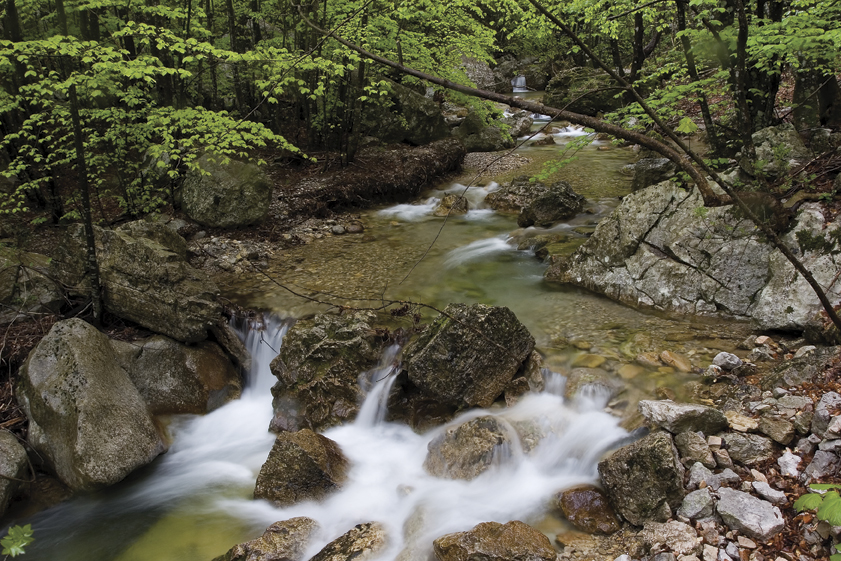
🌸 Spring (April–June)
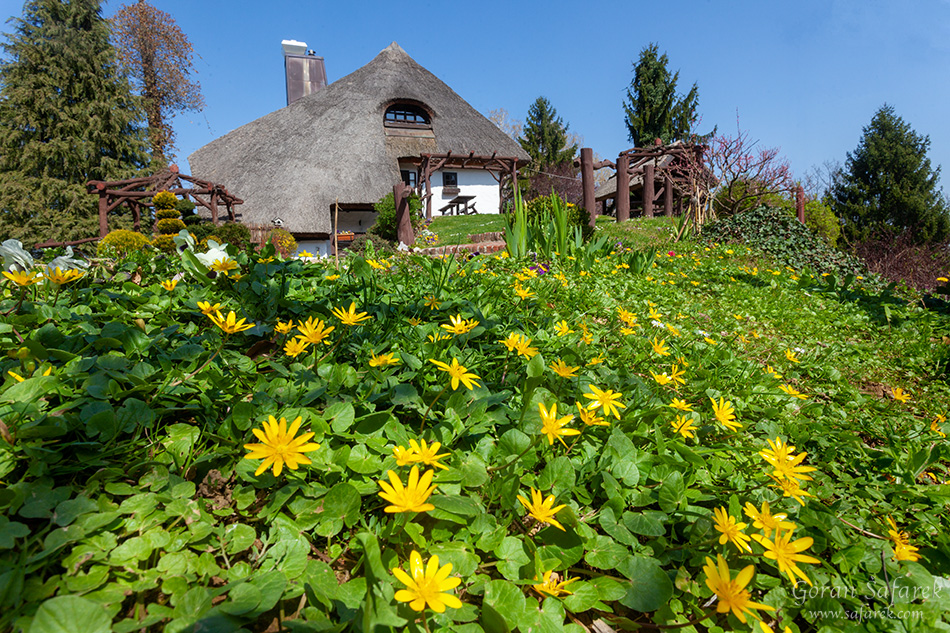
Spring is one of Croatia’s most beautiful secrets. Waterfalls are full, the weather is mild, wildflowers bloom on islands and meadows, and national parks feel fresh and quiet. Plitvice and Krka are spectacular at this time of year, and cities like Zagreb, Split and Zadar are lively but not crowded.
Best for: hiking, cycling, national parks, photography, quiet coastal stays, city breaks.
Temperatures: 15–25°C and rising quickly.
Sea: swimmable from late May/early June.
☀️ Summer (July–August)
This is Croatia’s iconic season: warm seas, long days, lively promenades, open-air concerts, festivals and buzzing island towns. It’s also the busiest period, especially in Dubrovnik, Split and Hvar.
Best for: beaches, swimming, island hopping, nightlife, family holidays.
Temperatures: 28–36°C on the coast.
Good to know: crowds peak between 20 July–20 August.


🍇 Autumn (September–October)
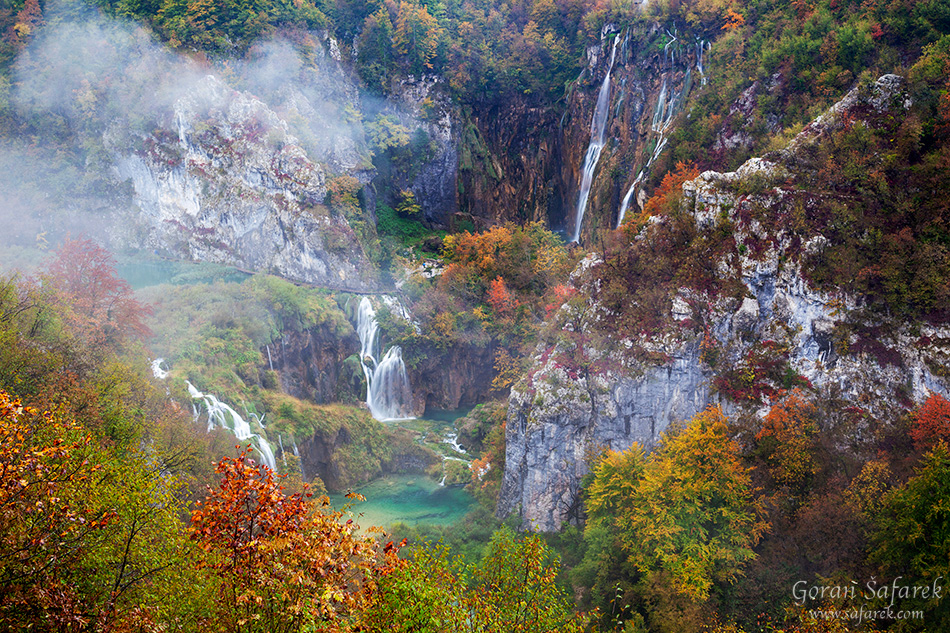
Autumn is the golden season in Croatia — still warm, still bright and often more beautiful than summer. The sea stays warm until mid-October, harvest begins in Istria and Slavonia, and national parks shine in soft light.
Best for: swimming without crowds, food and wine, road trips, photography, quiet island stays.
Temperatures: 18–28°C; sea 20–24°C.

❄️ Winter (November–March)
Winter brings two Croatias:
the coast — calm, cool, quiet, atmospheric cafés and empty promenades
the mountains — snow, forests, cabins, winter hikes and wildlife tracks
Zagreb is one of Europe’s best Christmas destinations. Lika and Gorski Kotar often turn into snowy wonderlands.
Best for: Christmas markets, wellness retreats, budget travel, city trips, peaceful nature.
Temperatures: 0–12°C inland; 5–15°C on the coast.

🌤️ Croatia Seasons at a Glance
Spring: waterfalls, wildflowers, hiking, quiet cities
Summer: beaches, island hopping, nightlife, festivals
Autumn: warm sea, wine harvest, photography, peaceful parks
Winter: Christmas markets, wellness, snow, budget travel
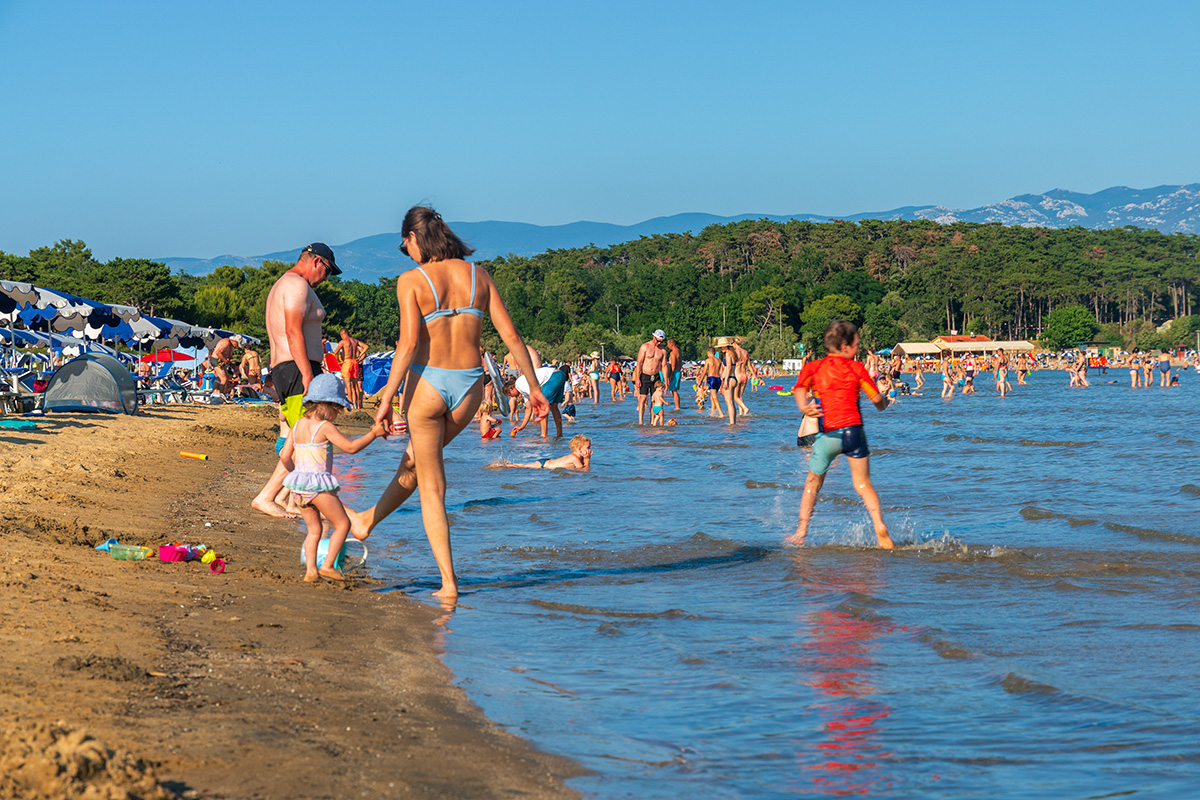
Best Time Based on Traveller Type
🏝️ For Islands
Best: June, September, early October
These months offer the perfect blend of warm sea (22–25°C), stable weather, swimmable coves, and far fewer crowds than peak summer. Ferries run frequently, but beaches and promenades feel calmer and more local.
In July–August, island towns like Hvar, Bol, Korčula and Vis are buzzing — great if you want nightlife, events, festivals, beach bars and long warm evenings. The sea reaches its warmest point, but restaurants and beaches are at their busiest.
Extra tips:
• June & September are ideal for families and couples.
• Early October surprises many — warm sea, quiet villages, lower prices, magical sunsets.
• If winds matter (sailing!), June and September are the most predictable.
🥾 For Hiking
Best: April–June and September–October
Spring and autumn give Croatia the kind of hiking weather it was made for: crisp mornings, clear skies, gentle temperatures and green or golden landscapes. Trails in Paklenica, Velebit, Biokovo, Risnjak and Učka feel fresh and breathable.
Summer (July–August) can be extremely hot — coastal mountains easily reach 30–38°C, so start early (before 8:00) or choose shaded forests in Lika and Gorski kotar.
Extra tips:
• April–May = strong waterfalls + wildflowers
• Late September–October = vivid colours and dramatic coastal views
• Many island trails (Hvar, Brač, Vis) are spectacular in shoulder seasons
• Always check for bura and jugo winds in exposed areas
🚗 For Road Trips
Best: May–June and September
These months give you everything: pleasant temperatures, vivid colours, long driving days, easier parking, and fewer traffic jams along the Adriatic Highway and through national parks.
In July–August, road trips are beautiful but slower: expect congestion around Split, Šibenik, Makarska and island ferry ports. Still, the views along the D8 Adriatic Highway are unforgettable even at low speeds.
Extra tips:
• Combine coast + inland: Istria → Plitvice → Zadar coast is perfect in spring and autumn
• September is the king of road-trip months: warm, calm, golden, quiet
• The A1 motorway is fast for long distances; D8 coastal road is scenic but slower
• Plan ferry crossings ahead in high season (especially weekends)
🌊 For National Parks
Best: Spring and Autumn
Spring (April–May) is the absolute best for waterfalls — Plitvice, Krka and Mrežnica river areas are powerful, full and lush. Trails are cooler and wildlife is active.
Autumn (late September–October) brings golden forests, soft light and fewer visitors. Plitvice in October feels almost cinematic.
Summer is beautiful but busy; start before 9:00 to enjoy parks in peace.
Extra tips:
• In July–August, bring water and avoid midday heat in Paklenica, Biokovo and Mljet NP
• Boat schedules in national parks vary seasonally
• Winter is magical in Plitvice (snow!), but some trails may close
🕊️ For Avoiding Crowds
Best: April, May, early June, late September, October
These months reveal Croatia at its most genuine: locals out on terraces, empty beaches, quiet ferries, peaceful old towns and national parks that feel wild again.
Islands return to a deeper, slower rhythm. Rovinj, Zadar, Šibenik and Korčula feel beautifully walkable.
Extra tips:
• Early June is perfect for swimming without summer noise
• Late September offers warm sea + low prices + relaxed ferries
• Dubrovnik is best visited early morning or late afternoon even in shoulder season
• Plitvice is magical when empty after rain
📸 For Photography
Croatia is extraordinarily photogenic year-round, but certain months and times of day shine brighter:
Best seasons:
• Spring: misty mornings, wildflowers, full waterfalls
• Autumn: golden vineyards, colourful forests, warm light
• Winter: snow in Lika/Gorski kotar, dramatic Adriatic storms
• September: the best sunsets of the year
Best daily light:
• sunrise over islands (calm sea, pastel skies)
• golden hour on the Adriatic (mountains create perfect shadows)
• blue hour in old towns (Dubrovnik, Rovinj, Šibenik, Korčula especially)
Extra tips:
• Bring a polarizing filter for bright summer seas
• Stormy days on the Adriatic create cinematic long-exposure shots
• Inland Croatia (Slavonia, Zagorje) is best in the early morning fog
💶 For Budget Travel
Best:
• Cities: November–April
• Coast & islands: May–June and September–October
Accommodation is 30–60% cheaper outside peak season. Car rentals, ferries and flights also drop significantly.
If you want warm weather and great prices, aim for mid-May, early June or late September.
Where you save the most:
• apartments on islands (shoulder season)
• boutique hotels in autumn
• inland Croatia year-round
• ferries and buses outside July–August
• restaurants and cafés beyond the main tourist streets
Extra tips:
• October is one of the most underrated months — warm sea + low season rates
• Winter city breaks (Zagreb, Split, Zadar) are inexpensive and atmospheric
• Avoid last-minute ferry travel in high season if on a tight budget
Season Breakdown
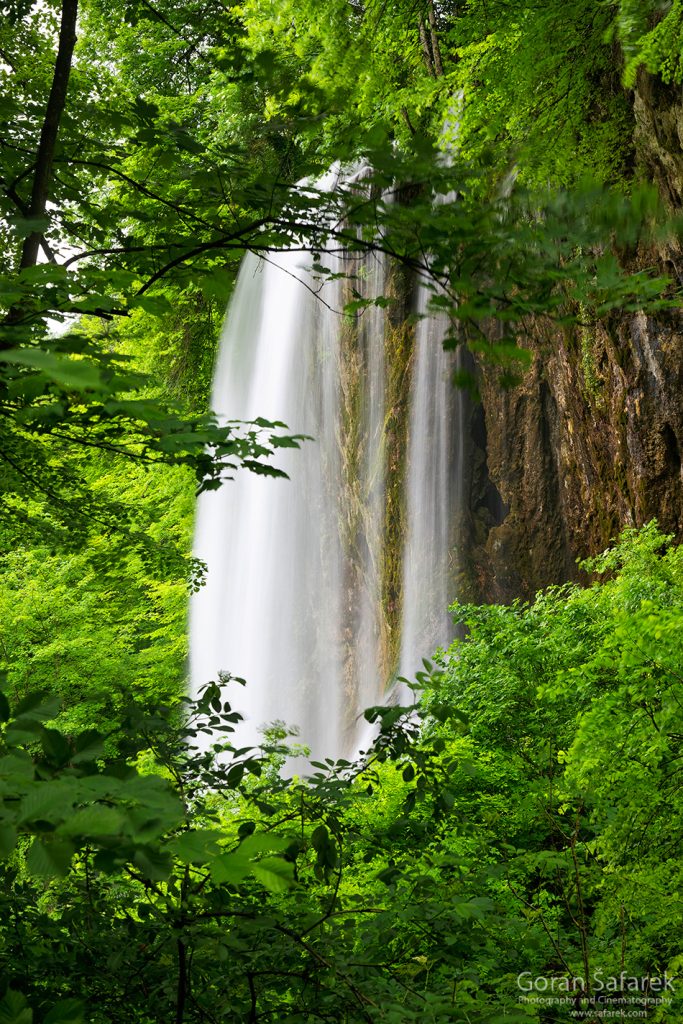
🌸 Spring (April–June)
Mild weather, wild waterfalls and blooming landscapes. Ideal for hiking, national parks and quiet city breaks.
☀️ Summer (July–August)
Peak beach season and island life — hottest temps, festivals, nightlife, and the most vibrant coastal atmosphere.
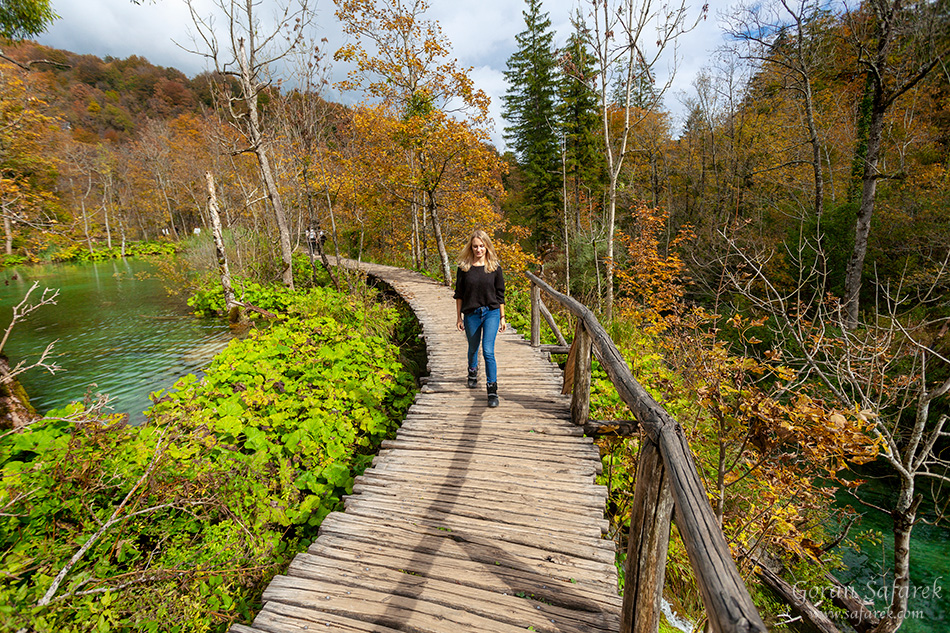
🍇 Autumn (September–October)
Warm sea, wine harvests and golden hills. Perfect for swimming without crowds, food & wine, and dreamy photography.
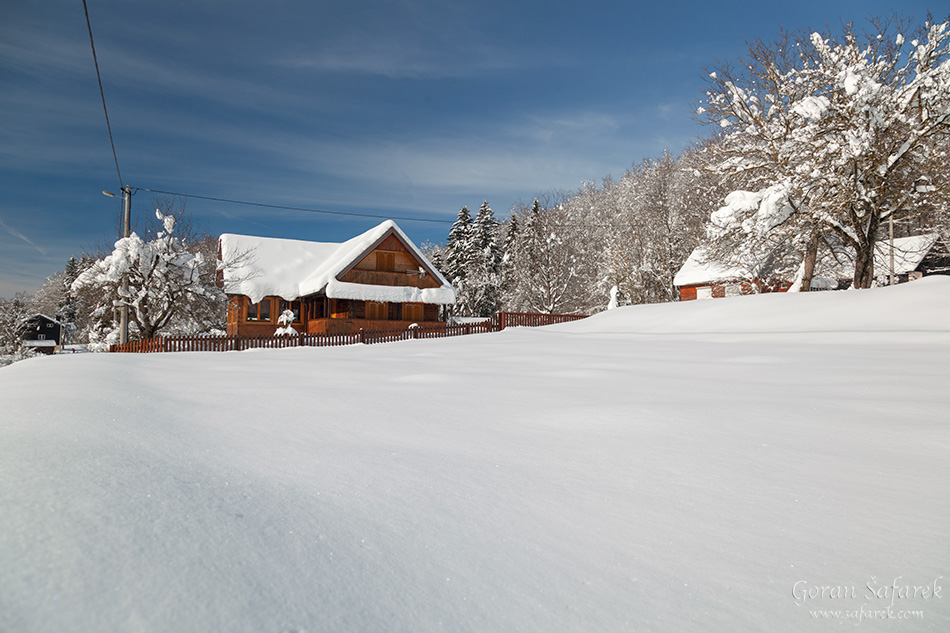
❄️ Winter (November–March)
Zagreb’s Christmas markets, quiet coastlines and snowy forests in Lika & Gorski kotar. Great for city breaks, spas and budget travel.
Best Time Based on Traveller Type
- 🏝️ For islands: June, September & early October for warm sea without crowds; July–August for nightlife and full summer buzz.
- 🥾 For hiking: April–June & September–October for clear skies and cooler temperatures.
- 🚗 For road trips: May–June & September for smooth driving along the Adriatic Highway with great weather.
- 🌊 For national parks: Spring for powerful waterfalls; late September–October for golden colours and softer light.
- 🕊️ For avoiding crowds: April, May, early June, late September & October.
- 📸 For photography: Spring blossoms, autumn sunsets, winter fog & snow, and golden coastal evenings in September.
- 💶 For budget travel: November–April for cities; May–June & September–October for coast & islands at lower prices.
Croatia Budget Guide – How Much Does a Trip Cost?
Croatia offers excellent value for travellers — but prices vary dramatically by season, destination, travel style and activity choices. Below you’ll find a clear, structured breakdown of what you can realistically expect to spend in 2026, from daily budgets to restaurant costs, accommodation ranges, transport prices and hidden extras that first-timers often overlook.
This is your complete money guide, designed to help you plan smart and avoid surprises.
Average Daily Budgets
Your daily budget depends on where you stay, how you move around, and how many tours or boat trips you add. Croatia can be done cheaply, comfortably, or luxuriously — especially if you travel in shoulder season.
Below is a simple breakdown to help you predict realistic spending.
💶 Average Daily Budgets (Per Person)
| Budget Traveller | €50–€90/day – hostels or budget apartments, buses, bakeries, free beaches. |
| Mid-Range Traveller | €120–€200/day – 3★–4★ stays, ferries, restaurants, national parks. |
| Comfort / Premium | €250–€400/day – boutique stays, private transfers, wine tastings. |
| Luxury Traveller | €450–€1200+/day – 5★ hotels, yachts, fine dining, private excursions. |
Restaurant Price Ranges
Eating out in Croatia varies by region — seafood-heavy Dalmatia costs more than inland areas like Slavonia. Dining by the sea also costs more than in neighbourhood konobas. Here’s what to expect across cafés, konobas, mid-range cuisine and fine dining.
🏨 Accommodation Prices (2026)
| Apartments | Budget €45–€80 · Mid €80–€150 · High-season €150–€250+ |
| Hotels | 3★ €70–€150 · 4★ €120–€250 · 5★ €250–€600+ |
| Villas | €250–€700/day (luxury €800–€3,000 in peak) |
| Campsites | Pitches €20–€60 · Glamping/mobile homes €80–€180 |
Accommodation Prices
Accommodation is where seasonality matters most — a €90 apartment in May can cost €180+ in July. Coastal destinations, especially Hvar, Dubrovnik and Rovinj, have the biggest summer price jumps.
Below is a clear summary of realistic 2026 prices.
🚗 Transport Costs
Car Rental
€20–€35 off-season · €70–€120 summer
Ferries
€4–€25 passenger · €20–€40 cars
Buses
€5–€30 depending on route
Trains
€5–€15 (slower but scenic)
Tolls
Zagreb–Split: ~€24 one way
Taxis / Ride Apps
€4–€10 city rides · €25–€40 airport
Transport Costs
Driving is the most flexible way to explore Croatia, but ferries and buses are both affordable and efficient. Costs vary by season and route — here’s what you can expect for 2026.
🚗 Transport Costs
Car Rental
€20–€35 off-season · €70–€120 summer
Ferries
€4–€25 passenger · €20–€40 cars
Buses
€5–€30 depending on route
Trains
€5–€15 (slower but scenic)
Tolls
Zagreb–Split: ~€24 one way
Taxis / Ride Apps
€4–€10 city rides · €25–€40 airport
Activities & Extra Costs
While beaches are free, many iconic experiences — national parks, island tours, wine tastings — come with entry fees or tour prices. Here’s what to expect.
🎟️ Activities & Attractions
| National Parks | €15–€40 depending on park + season |
| Museum Entries | €4–€12 |
| Boat Trips | €25–€120 group · €250–€1200 private |
| Adventure Tours | €35–€100 (rafting, zipline, canyoning) |
Croatia Budget Essentials – What Travellers Really Spend
Croatia can be surprisingly affordable outside the summer peak, yet premium and polished when you want it to be.
To help you plan realistically, this guide breaks down how much you’ll spend per day, which costs can catch you off guard, how to save money without sacrificing experiences, and what to expect when paying by card or cash in 2026.
Below is a complete, easy-to-scan Budget Master Box — the most practical overview of real travel costs in Croatia.
💶 Croatia Budget Master Guide (2026)
A clear & realistic overview of what you’ll spend in Croatia — from daily expenses to clever savings, hidden costs and how to pay safely.
📊 Daily Spending Breakdown
| Food & Drinks | €20–€45/day |
| Accommodation | €45–€250+/day |
| Transport | €6–€50/day |
| Activities | €10–€80/day |
💡 How to Save Money in Croatia
- Travel in shoulder season (May–June, Sept–Oct) — same sea, half the price.
- Choose apartments over hotels in July–August.
- Use buses + ferries instead of taxis and private boats.
- Eat your main meal at lunch — many konobas offer cheaper dnevni meni.
- Buy ferries early for lower prices and guaranteed seats.
- Base yourself in Zadar, Šibenik or central Istria for best price-to-experience ratio.
- Bring a reusable bottle — tap water is excellent everywhere.
⚠️ What Costs More Than You Expect
- Sunbeds & umbrellas (€15–€25/day in popular beaches)
- Parking in old towns (€1.5–€3/hour; Dubrovnik more)
- Seafood restaurants on waterfronts
- Peak-season ferries (€20–€40 for cars)
- Taxis in island towns late at night
- Dubrovnik Walls (€35 per person)
- Private boats (from €250/day)
💳 Cash vs Card in Croatia
Croatia uses the euro (€) and is largely cashless-friendly — but not fully.
- Cards work everywhere in cities and most coastal towns.
- Bring some cash for small bakeries, markets and boat kiosks.
- Avoid Euronet ATMs — high fees. Use bank ATMs only.
- Tips are easier in cash.
Practical Tips for 2026
Croatia is easy to travel, but knowing a few local habits, language basics, etiquette rules and 2026 updates will make your trip smoother, more respectful and far more enjoyable.
Here’s everything first-timers wish they knew before arriving.
Language
Croatian is the official language, but English is widely spoken — especially along the coast, in hotels, restaurants and tourist areas. Still, a few local phrases go a long way and make every interaction warmer.
🇭🇷 Useful Croatian Words
| Dobar dan | Hello / Good day |
| Hvala | Thank you |
| Molim | Please / You’re welcome |
| Da / Ne | Yes / No |
| Izvolite | Here you go / How can I help you? |
| Koliko košta? | How much does it cost? |
English Widely Spoken
English is spoken comfortably by most people working in tourism — hotels, restaurants, ferries, rental agencies, city centers, and younger generations in general.
In small inland villages, English may be more limited, but locals are friendly and helpful.
Regional Dialects
Croatia has three main dialect groups (štokavski, čakavski, kajkavski), which can sound very different from each other. This doesn’t affect travellers, but it’s fun to notice how the language shifts as you move from Dalmatia to Istria to Zagreb.
Connectivity (SIM / eSIM / Wi-Fi)
Croatia has excellent mobile coverage and fast internet across cities, islands and coastal areas. Even ferries often have strong signals.
Below is a practical comparison of SIM/eSIM options.
📱 Staying Connected
| Local SIM (A1, HT, Telemach) | Best speed & value; €10–€20 for 7–14 days with large data bundles. |
| eSIM (Airalo, Holafly) | Instant activation; slightly pricier but extremely convenient. |
| Wi-Fi | Fast in most hotels, cafés and apartments; rural areas vary. |
Travel Etiquette (Churches, Beaches, Culture)
Croatians are warm, relaxed and used to visitors — but respectful behaviour is very appreciated.
Here are the essentials.
🌿 Travel Etiquette in Croatia
- Churches: dress modestly, remove hats, speak quietly; photography may be restricted.
- Beaches: topless sunbathing is common; full nudity only on FKK beaches.
- Noise: residential areas value peace; avoid loud late-night gatherings.
- Cafés: it’s normal to sit for a long time with just one drink.
- Queues: Croatians respect waiting lines — no skipping.
Table Culture
Croatia’s café and restaurant culture is slow, social and deeply Mediterranean.
☕ Table & Café Culture
- Slow coffee is normal — people sit for 1–2 hours with one drink.
- No rushing: waiters will never bring the bill unless you ask (“Račun, molim”).
- Splitting bills is common and accepted everywhere.
- Service charge may be included in touristy restaurants — check the bill.
Driving Etiquette & Rules
Croatia is easy to drive, with excellent highways and scenic coastal routes.
🚗 Driving Etiquette & Rules
- Lights on during the day (legal requirement).
- Toll highways are fast, safe and well-maintained.
- Adriatic Highway (D8) is stunning but slow; expect curves & views.
- Parking: old towns have limited spaces — use marked city zones.
- Roundabouts: yield to traffic inside; use blinkers to exit.
- Speed cameras are common; fines are automated.
Tipping
Tipping in Croatia is simple and appreciated, but not mandatory.
💶 Tipping in Croatia
- Restaurants: 10% is common for good service; round up for casual places.
- Cafés & bars: rounding up (€0.50–€1) is normal.
- Taxis: optional — round up.
- Guided tours: €5–€10 per person, depending on length.
- Hotels: €1–€2 for luggage, €5–€10 for exceptional service.
Packing Lists for Croatia
Croatia spans sunny islands, forested mountains, historic cities and windy coastlines — so what you pack depends heavily on the season.
These streamlined packing lists cover everything you actually need (and nothing you don’t), for any month or travel style.
Summer Packing List (June–September)
Summer in Croatia is hot, bright and beach-focused. Light, breathable clothing + strong sun protection is essential.
☀️ What to Pack for Summer
- Light cotton or linen clothing (very hot afternoons)
- Swimsuits (bring at least 2–3)
- Sandals + comfortable walking shoes
- Sun hat, sunglasses, reef-safe sunscreen
- Beach towel or quick-dry microfiber towel
- Light cardigan/jacket for breezy evenings
- Small waterproof bag for boat trips
- Portable charger (long beach days!)
- Water shoes if you’ll swim at pebble beaches
Shoulder Season Packing (April–May, late September–October)
The most versatile weather: warm, sunny days with cool evenings and possible rain.
🌿 What to Pack for Shoulder Season
- Layers: T-shirts + light sweaters
- Jeans or light trousers
- Waterproof jacket or windbreaker
- Comfortable sneakers for city walks
- Light scarf (windy Adriatic days)
- Umbrella or travel poncho
- Swimsuit (sea swimmable in late spring/early autumn)
- Daypack for hikes and national parks
Winter Packing List (November–March)
Winter varies widely: the coast is cool and breezy, while Lika and Gorski Kotar can be snowy and icy.
❄️ What to Pack for Winter
- Warm coat (puffer or wool)
- Layers: sweaters, thermals for inland regions
- Waterproof boots or good sneakers
- Hat, gloves, scarf (Zagreb, Plitvice, mountains)
- Moisturizer & lip balm (dry winter air)
- Portable umbrella (unpredictable rain on coast)
- Swimsuit if your hotel has a spa
Beach Essentials
Croatia’s beaches are mostly pebble or rocky, so the right gear makes a big difference.
🌊 Beach Essentials
- Water shoes (highly recommended for pebbles & sea urchins)
- Snorkel mask — visibility is excellent everywhere
- Microfiber towel
- Dry bag for boats or SUP
- Sun protection: hat, SPF 50, after-sun
- Reusable water bottle for long beach days
- Cash for sunbed rentals (common on popular beaches)
Hiking Essentials
Croatia’s trails range from gentle coastal walks to steep karst mountains. Good prep = safer, more enjoyable hikes.
🥾 Hiking Essentials
- Sturdy footwear (trail runners or hiking boots)
- Light backpack
- 1–2L water per person (more in summer)
- Snacks: fruit, nuts, energy bars
- Windproof layer (Adriatic gusts can be strong)
- Sun protection — exposed trails are common
- Offline maps (Maps.me or Gaia GPS)
- Small first aid kit
Croatia Itineraries (A Quick Overview)
Croatia is wonderfully easy to explore, whether you’re dreaming of island hopping, national parks, historic towns or a little bit of everything. Instead of overwhelming you with dozens of routes here, we’ve created a full Croatia Itinerary Hub where you’ll find detailed 5–14 day plans, regional routes, island itineraries and seasonal suggestions.
Below is a short overview to help you choose the style that fits your trip.
Classic First-Timer Routes
Perfect if it’s your first time in Croatia and you want the highlights.
7 Days: Zagreb → Plitvice → Split → Hvar → Dubrovnik
10 Days: Istria → Kvarner → Dalmatian Coast & Islands
These itineraries balance cities, nature, beaches and history without rushing.
⏳ Itineraries by Duration – Quick Overview
Choose how long you’re staying in Croatia and start with a ready-made route. Each itinerary blends coast, islands, and just the right amount of travel in between.
🗺️ 7 Days in Croatia First-timers
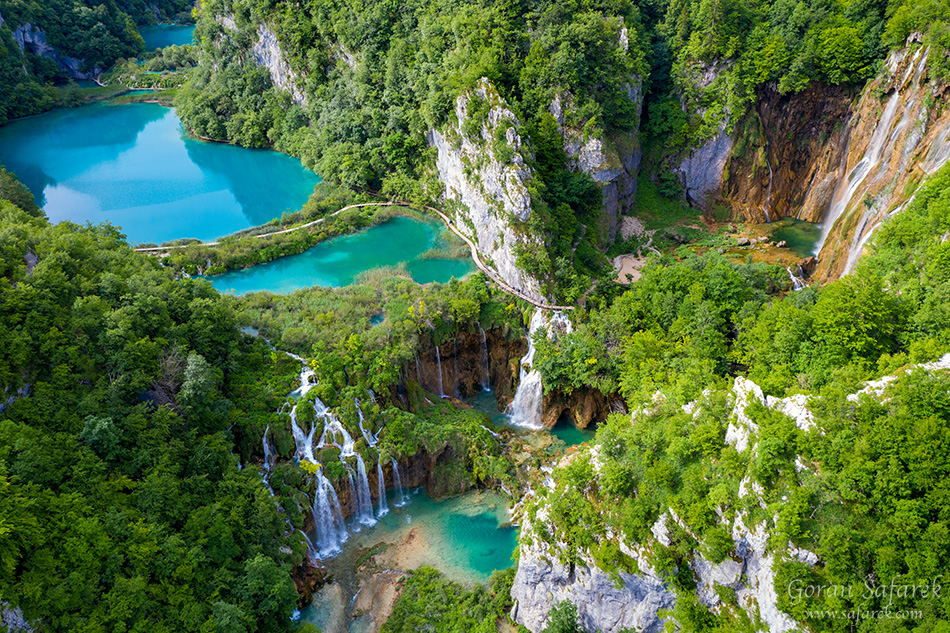
Perfect for first-timers. Choose between a mix of city, waterfalls and coast, or a Dalmatian island-hopping classic.
- Zagreb → Plitvice → Zadar → Split
- Split → Hvar → Korčula → Dubrovnik
⛵ 10 Days in Croatia Coast + islands
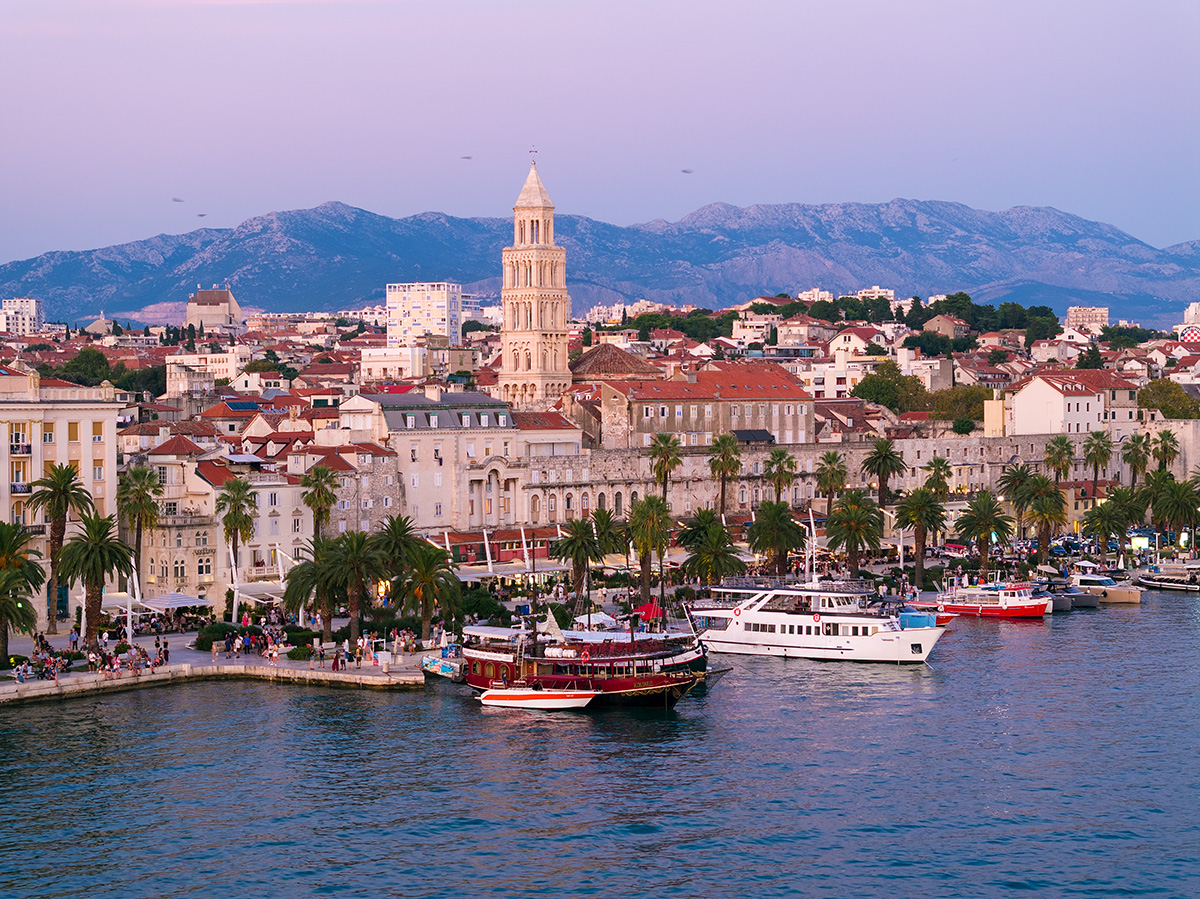
A smooth mix of coast, islands and one national park – just enough time to slow down a little between travel days.
- Zagreb → Plitvice → Split → Hvar
🌅 14 Days in Croatia North + South Coast
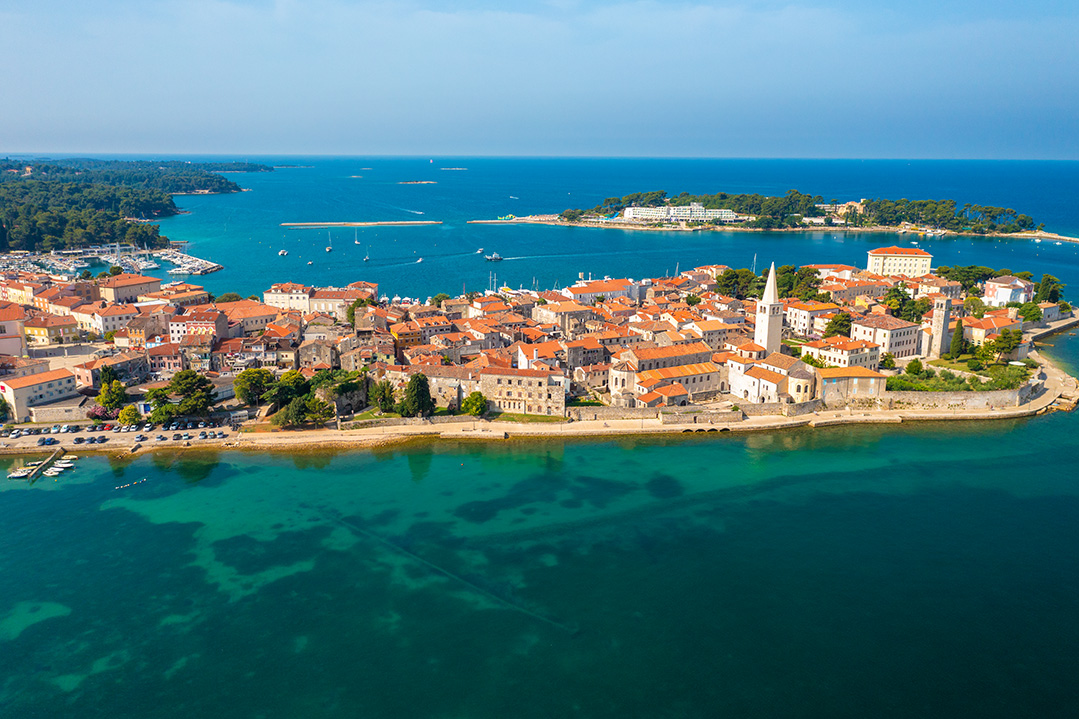
The ideal coast-to-coast trip with time for both the north and the south – old towns, islands and one or two national parks.
- Istria → Plitvice → Split → islands → Dubrovnik
🌿 21 Days in Croatia Deep dive
A real deep dive: coast, islands, mountains and quiet inland villages – for travellers who want to feel Croatia rather than rush it.
- Istria → Kvarner → Plitvice → Zadar → Šibenik → islands → Dubrovnik
Croatia Itineraries by Region – Quick Overview
If you’ve already booked flights into a specific airport or you simply like to dive deep into one area, planning by region makes things easy.
Dalmatia – Islands, Ancient Cities & Sunsets
Dreamy stone towns, ferries & golden-hour coastlines.
Old towns, promenades, island-hopping and sea views everywhere.
Key hubs:
- Zadar – sea organ, Roman ruins
- Šibenik – cathedral, fortresses, Krka NP
- Split – Diocletian’s Palace & ferries
- Dubrovnik – walls, Lokrum & Elaphiti
Kvarner & Gorski kotar – Sea Meets Mountain
A mix of islands, forests and cool mountain air.
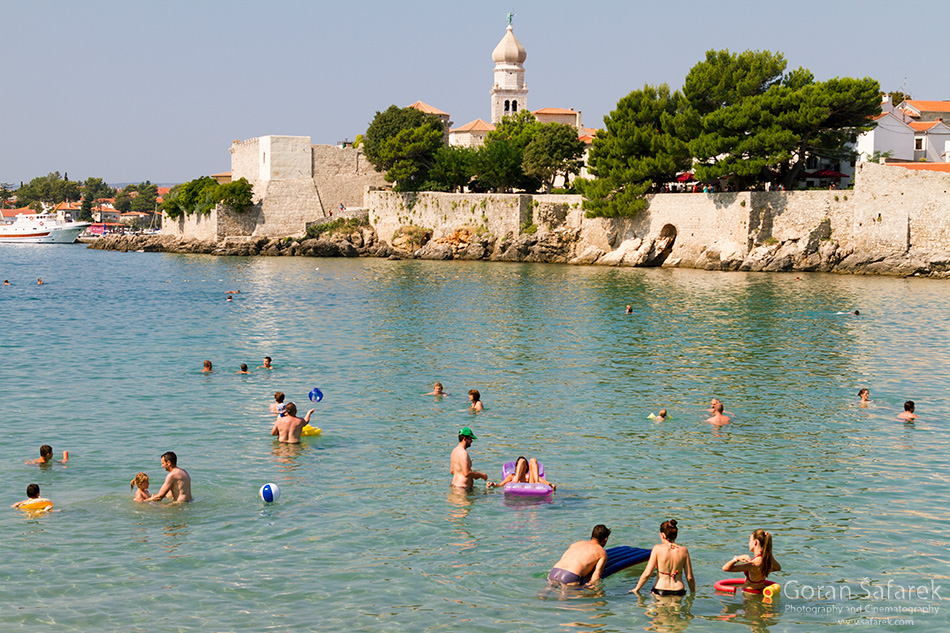
Beaches, coves and high mountain trails all in one trip.
Ideas:
- Opatija – seafront promenade
- Krk, Cres, Lošinj – coves & trails
- Risnjak NP – forests & peaks
Istria – Wine Roads, Towns & Quiet Coves
A dreamy blend of Italy and the Adriatic.
Pastel harbours, truffle dishes, vineyards and pine-framed bays.
Highlights:
- Rovinj – sunsets & old town
- Pula – amphitheatre & coastal walks
- Motovun & Grožnjan – hilltop towns
- Cape Kamenjak – wild cliffs & coves
Continental Croatia – Lakes, Forests & Castles
Green hills, rivers, cottages & nature parks.
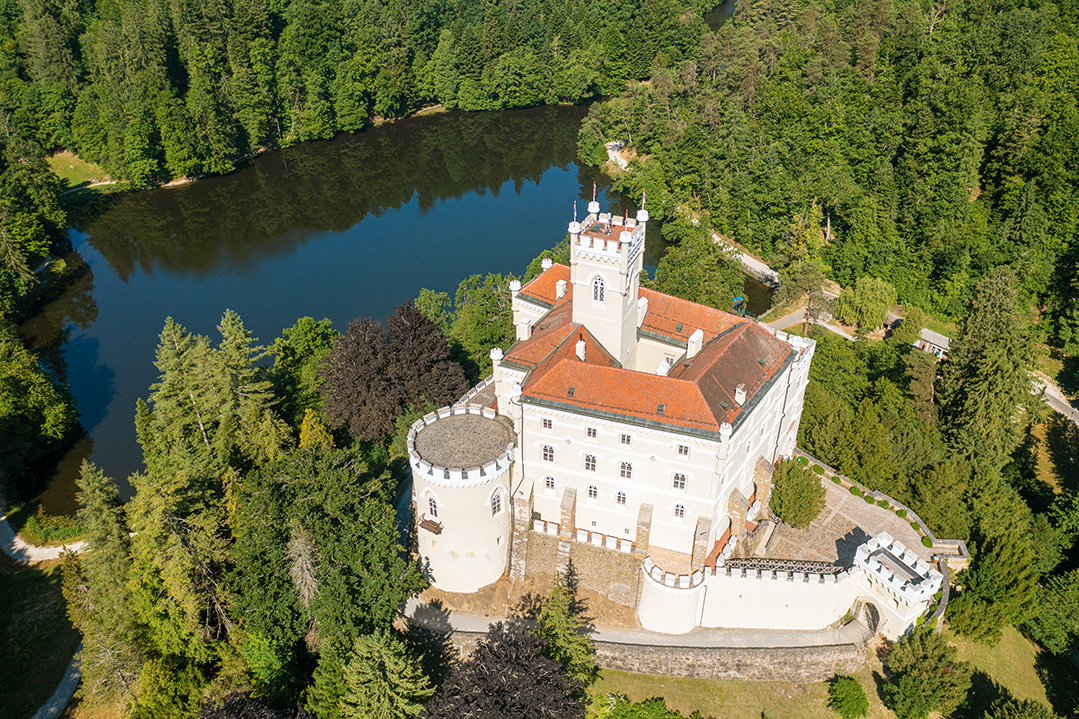
Perfect as an add-on to the coast or a peaceful standalone trip.
Don’t miss:
- Zagreb – cafés & museums
- Plitvice – wooden walkways
- Zagorje – castles & thermal spas
- Rastoke, Varaždin, Trakošćan
- Kopački rit & Lonjsko polje
👉 Explore all itineraries:
https://explore-croatia.net/croatia-itineraries/
Wellness & Spa in Croatia
Croatia is one of Europe’s most naturally restorative destinations.
Between pine forests, mineral-rich thermal waters, Adriatic sunsets and quiet inland valleys, the country has a long tradition of wellness — from seaside spa hotels to centuries-old thermal springs and slow-travel retreats rooted in nature.
Whether you’re dreaming of island silence, forest walks, detox days or warm pools with mountain views, Croatia offers a surprising variety of wellness experiences.
Best Seaside Wellness Resorts
Croatia’s coast is naturally healing — clear air, pine forests, salt, light, and calm bays. Many Adriatic hotels specialise in wellness, blending spa rituals with outdoor relaxation, sea views and Mediterranean ingredients.
🌊 Best Seaside Wellness Resorts
Lošinj – Island of Vitality
A mild climate, aromatic herbs and top-tier wellness hotels. Ideal for detox, respiratory health and peaceful sea days.
Dubrovnik Riviera
Cliffside spas, panoramic pools and elegant hotels. Perfect for romantic luxury wellness escapes.
Istria (Rovinj, Vrsar)
Design hotels with world-class spas using olive oil, herbs and sea elements. Calm, refined, romantic.
Zadar Region & Nin Lagoon
Healing mud, salt pans and quiet beaches paired with wellness hotels. Great for natural therapies.
Thermal Spas & Hot Springs
Inland Croatia is rich in thermal water and old spa traditions. These regions offer warm mineral pools, saunas, wellness programs and countryside calm — perfect for winter wellness or slow escapes.
🔥 Thermal Spas & Hot Springs
| Tuhelj | Mineral-rich pools, large sauna world, popular weekend escape from Zagreb. |
| Sveti Martin na Muri | Thermal waters, cycling routes, wine roads and relaxing countryside — great for long stays. |
| Krapinske Toplice | Historic hot springs with modern spa centers and medical-wellness programs. |
| Daruvar & Bizovačke | Peaceful, great value, strong therapeutic waters — ideal for quiet winter wellness trips. |
Wellness Retreats & Slow Travel
Retreats in Croatia focus on nature, movement and presence: yoga at sunrise, forest bathing, breathwork, hiking, mindful swimming and slow meals. These experiences pair beautifully with the country’s landscapes.
🌿 Wellness Retreats & Slow Travel
Island Retreats (Hvar, Vis, Korčula)
Quiet coves, sunrise yoga, long swims and farm-to-table meals — the perfect reset.
Istrian Countryside
Olive groves, vineyards, truffle forests and boutique villas hosting yoga & meditation retreats.
Gorski Kotar & Velebit
Forest bathing, mountain air, wooden cabins and silence perfect for detox & grounding.
Mljet National Park
Saltwater lakes, pine forests, and meditative walking paths — ideal for nature-focused retreats.
Croatia – A Journey You’ll Want to Return To
There’s a reason travellers return to Croatia again and again — sometimes without fully understanding why.
Maybe it’s the way the sea shifts from silver to deep Adriatic blue, or how old towns glow gold just before sunset.
Maybe it’s the slow rhythm of cafés on the riva, the quiet islands where pine trees lean toward the water, or the mountain paths where the only sound is your own breath.
Croatia has a gift for making you feel both held and free — a place where life softens, where days stretch longer, where you start to move at the natural pace of the landscape around you.
You come for beaches, waterfalls, islands, food.
But you return for something quieter:
For the feeling of swimming at sunrise in water so clear it looks like light itself.
For dinners that last hours, where olive oil tastes like the sun and wine tastes like the wind.
For conversations with strangers who speak to you as if you’ve been coming here your whole life.
For the small moments — the ones that don’t fit in an itinerary, but stay with you anyway.
And that’s Croatia’s magic.
Whether this is your first visit or your tenth, whether you’re here for adventure, rest or inspiration, Croatia has a way of becoming part of your story.
A place you don’t just check off —
but one you come back to, again and again, discovering something deeper each time.
And your journey starts here.
Whenever you’re ready, Croatia is, too.